Here is the YouTube playlist: Meet the Ranchers - YouTube http://bit.ly/RZh7Bi
Pozzi Ranch:
Showing posts with label Farm. Show all posts
Showing posts with label Farm. Show all posts

Organic Valley Farmers and Their Jersey Cows - WholeFoods video
Organic Valley Farmers and Their Jersey Cows - WholeFoods video.
More info: Stony Pond Farm: "Our cattle, a wonderful herd of Jersey, American Milking Devon and Jersey/ Devon crosses are rotationally grazed on nutrient-rich, certified organic pasture."
If we raised all 100 million cows in U.S. on grass, cattle would require almost half the country’s land. Source: The Myth of Sustainable Meat - NYTimes http://nyti.ms/HI8eF7
Sheep that shear themselves
The sheep that shear themselves... well, almost! BBC Farming Today reports in the cross bred sheep that sheds its own fleece.
This approach is different from injecting the sheep with bioclip which is based on epidermal growth factor (EGF) - a sheep gets an injection of Bioclip and is then fitted with a net that catches the fleece as it falls off, a process that takes about a week.
References:
Farming Today. BBC.
http://www.bbc.co.uk/programmes/b00r9347#synopsis
Self Shearing Sheep. Science 24 July 1998: Vol. 281. no. 5376, p. 511.
http://www.sciencemag.org/cgi/content/summary/281/5376/511c
The world's largest sheep - Where? Goulburn, Australia - How big? 15 glorious meters http://goo.gl/61AlR
Sheep shearing and sudden death - case report from Australia with graphic images http://buff.ly/1aF0e5e
Shearing Season - Slide Show - NYTimes, 2014 http://buff.ly/1fe3jJn
This approach is different from injecting the sheep with bioclip which is based on epidermal growth factor (EGF) - a sheep gets an injection of Bioclip and is then fitted with a net that catches the fleece as it falls off, a process that takes about a week.
References:
Farming Today. BBC.
http://www.bbc.co.uk/programmes/b00r9347#synopsis
Self Shearing Sheep. Science 24 July 1998: Vol. 281. no. 5376, p. 511.
http://www.sciencemag.org/cgi/content/summary/281/5376/511c
The world's largest sheep - Where? Goulburn, Australia - How big? 15 glorious meters http://goo.gl/61AlR
Sheep shearing and sudden death - case report from Australia with graphic images http://buff.ly/1aF0e5e
Shearing Season - Slide Show - NYTimes, 2014 http://buff.ly/1fe3jJn
Rise of the 4 Common Breeds of Farm Animals
From the BBC program Farming Today:
"We are farming fewer breeds than ever to feed our desire for consistent cuts of meat. Last century we lost 26 native breeds of livestock, as farmers concentrated on the most productive lines. Farming Today visits the Isle of Man to view one our rarest breeds of sheep, the Manx Loghtan. And in Warwickshire, a Texel sheep farmer explains why his animals dominate the industry."
The farmers have gradually concentrated on mostly 4 breeds of animals:
- Holstein Cattle (also know as 'Holstein Friesian' or Friesian) is a breed of dairy cow known today as the world's highest production dairy animal. Originating in Europe, Holsteins were developed in the Netherlands. It is black and white due to artificial selection by the breeders. If we raised all 100 million cows in U.S. on grass, cattle would require almost half the country’s land. Source: The Myth of Sustainable Meat - NYTimes http://nyti.ms/HI8eF7

Holstein cow. Image source: Wikipedia, public domain because it contains materials that originally came from the Agricultural Research Service, the research agency of the United States Department of Agriculture.
- Texel sheep is a breed of domestic sheep originally from the island of Texel in the Netherlands. The Texel is heavily muscled and is a popular lean meat sheep in the USA, Australia, New Zealand, Uruguay and Europe.

Sheep on the isle of Texel. Image source: Wikipedia, public domain.
- Hubbard Chicken is a commercial chicken breed (broiler) developed by Hubbard farms. Hubbard operates its selection programs in 3 different R&D centres in North America and Europe, along with its own production sites in North America, Europe and Brazil.
- Landrace Pig was first introduced in Britain from China. The American Landrace is a medium to large breed of domestic pig, white in color with long bodies, fine hair, long snouts, and heavy drooping ears. They are bred for pork production. The American Landrace derives from the Danish Landrace of 1895 Danish origin.
References:
Farming Today podcast.
American Landrace. Wikipedia.
BBC Radio 4 website
Texel (sheep). Wikipedia.
"We are farming fewer breeds than ever to feed our desire for consistent cuts of meat. Last century we lost 26 native breeds of livestock, as farmers concentrated on the most productive lines. Farming Today visits the Isle of Man to view one our rarest breeds of sheep, the Manx Loghtan. And in Warwickshire, a Texel sheep farmer explains why his animals dominate the industry."
The farmers have gradually concentrated on mostly 4 breeds of animals:
- Holstein Cattle (also know as 'Holstein Friesian' or Friesian) is a breed of dairy cow known today as the world's highest production dairy animal. Originating in Europe, Holsteins were developed in the Netherlands. It is black and white due to artificial selection by the breeders. If we raised all 100 million cows in U.S. on grass, cattle would require almost half the country’s land. Source: The Myth of Sustainable Meat - NYTimes http://nyti.ms/HI8eF7

Holstein cow. Image source: Wikipedia, public domain because it contains materials that originally came from the Agricultural Research Service, the research agency of the United States Department of Agriculture.

- Texel sheep is a breed of domestic sheep originally from the island of Texel in the Netherlands. The Texel is heavily muscled and is a popular lean meat sheep in the USA, Australia, New Zealand, Uruguay and Europe.

Sheep on the isle of Texel. Image source: Wikipedia, public domain.
- Hubbard Chicken is a commercial chicken breed (broiler) developed by Hubbard farms. Hubbard operates its selection programs in 3 different R&D centres in North America and Europe, along with its own production sites in North America, Europe and Brazil.
- Landrace Pig was first introduced in Britain from China. The American Landrace is a medium to large breed of domestic pig, white in color with long bodies, fine hair, long snouts, and heavy drooping ears. They are bred for pork production. The American Landrace derives from the Danish Landrace of 1895 Danish origin.
References:
Farming Today podcast.
American Landrace. Wikipedia.
BBC Radio 4 website
Texel (sheep). Wikipedia.
Stearns Homestead Historic Farm in Parma Ohio
The city of Parma owns this historical farm in the middle of the city, located close to the busy Parmatown Mall (0.5 miles south). Founded in the 1840s, it was the last working farm in Parma and was gradually surrounded by suburban houses - an island in the heart of the city. The city of Parma bought the farm in 1980 and turned it into a museum. The typical farm animals are still here and can be fed and petted by children.


Stearns Farm history plates


The Stearns house is frozen in time (1850-1920s) with the typical furniture and clothes from that time. This is how the phone lines worked when Alexander Bell was still a young man (check the picture above) -- you plug the wire and connect people in places far apart to have a phone call, manually, no computers here.

Yes, you can feed (and ride) this friendly pony.


There is a small man-made lake behind the farm house.

Ducklings
If you want to show your kids that milk does not come from bottles but from cows, and eggs come from hens before they are put in cartons, the Stearns Farm is the place to go.
Stearns Homestead is open during the weekends (1-4 PM) from May 23rd to mid-October.
6975 Ridge Road, Parma, OH
Phone: 440-845-9770
Admission and parking is free
References:
Stearns Homestead, Parma's Historic Farm. Ohio Department of Development, Division of Tourism.
Stearns Homestead. Parma Area Historical Society.
Published: 11/05/2008
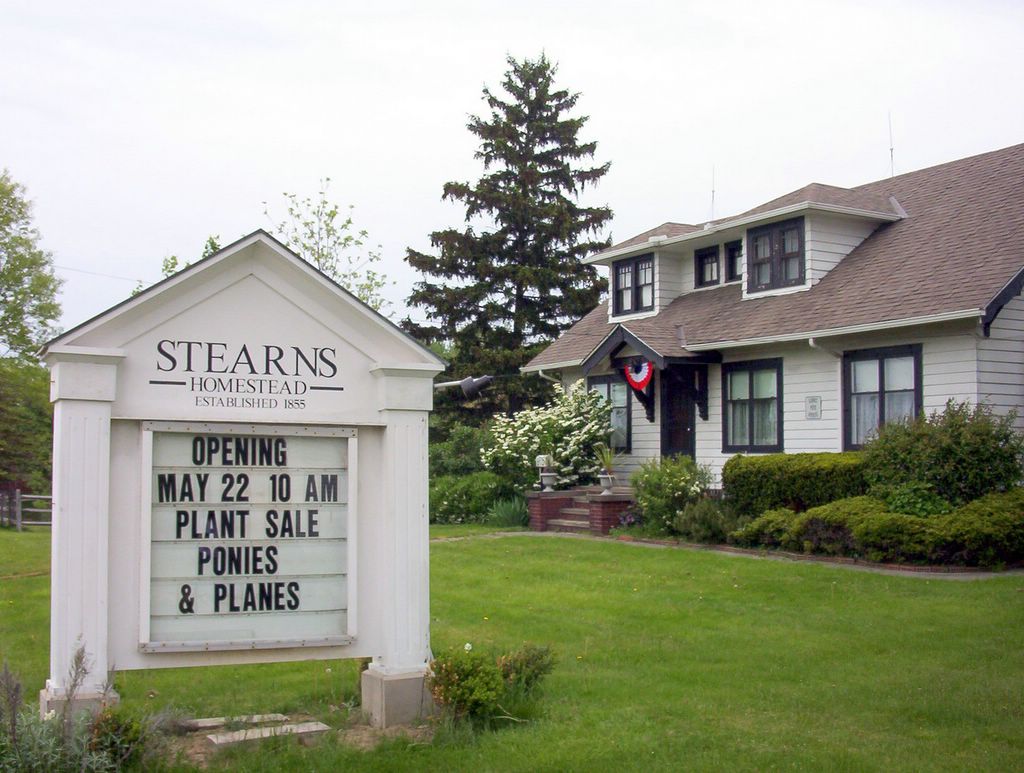
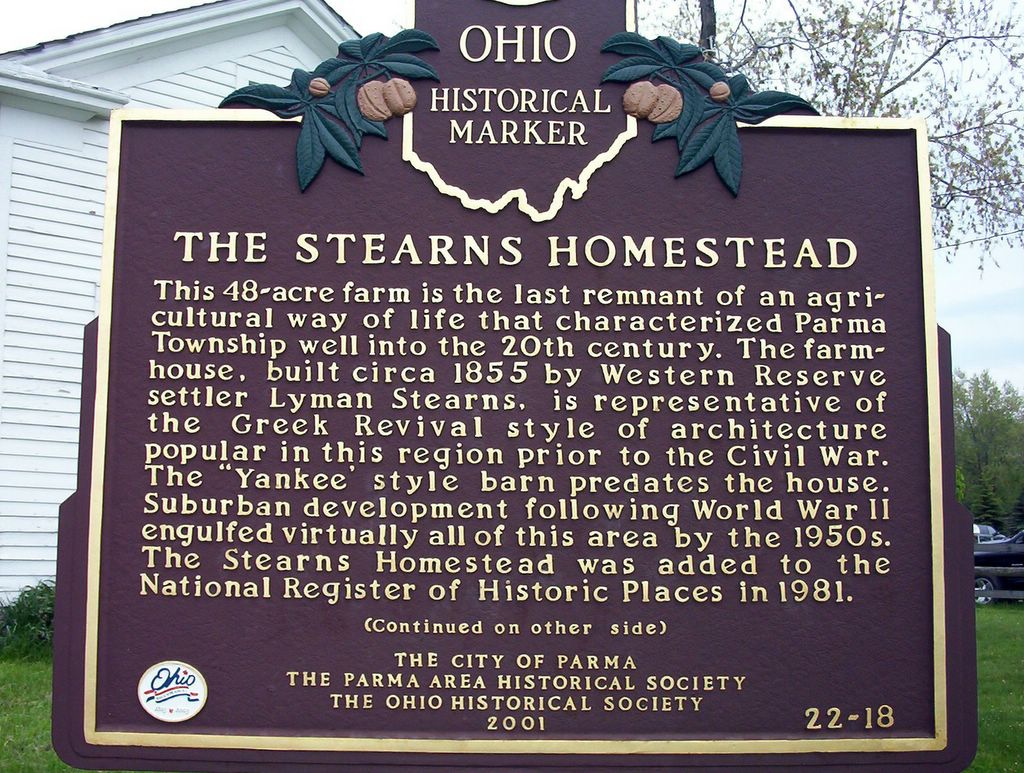

Stearns Farm history plates
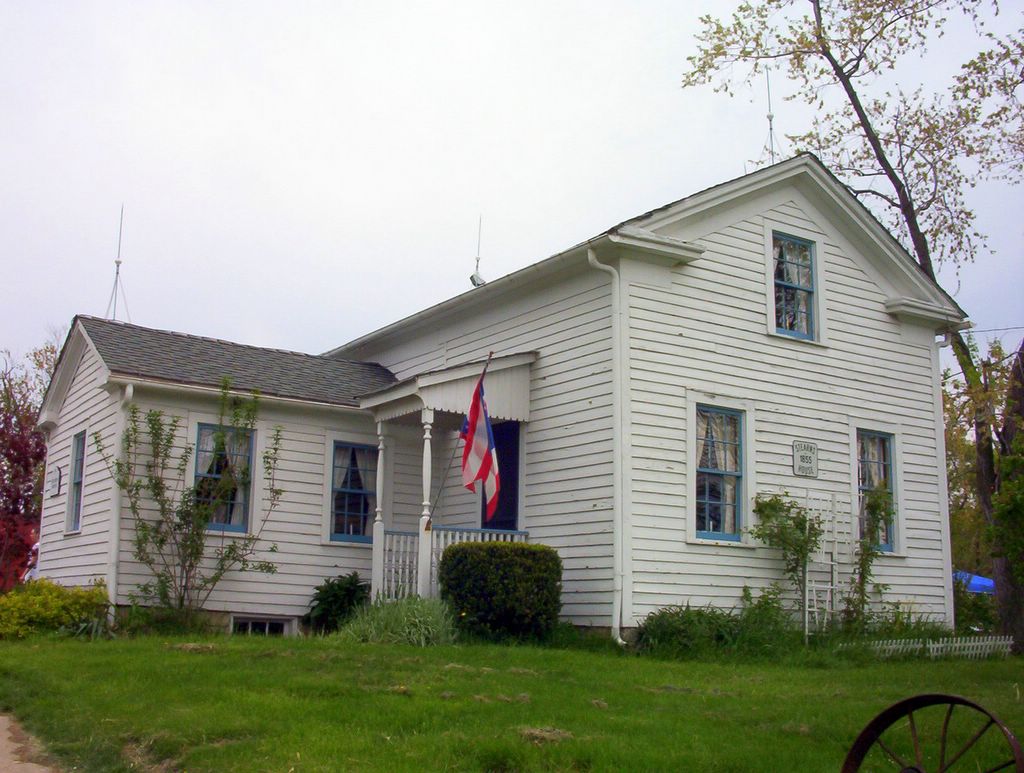

The Stearns house is frozen in time (1850-1920s) with the typical furniture and clothes from that time. This is how the phone lines worked when Alexander Bell was still a young man (check the picture above) -- you plug the wire and connect people in places far apart to have a phone call, manually, no computers here.
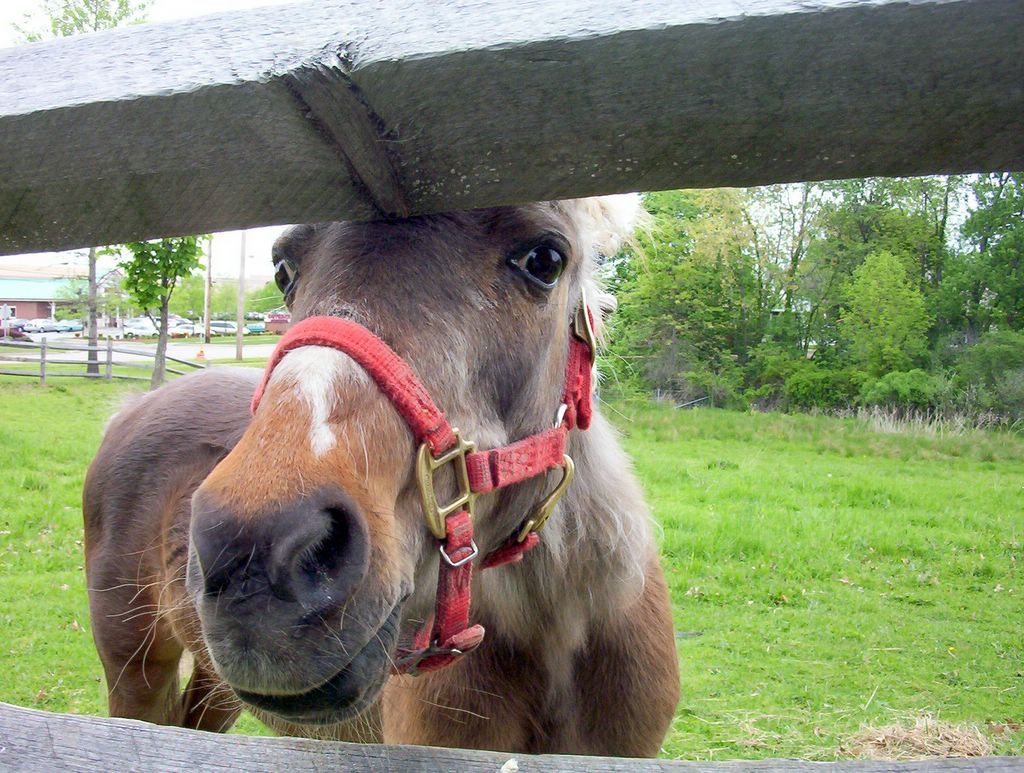
Yes, you can feed (and ride) this friendly pony.

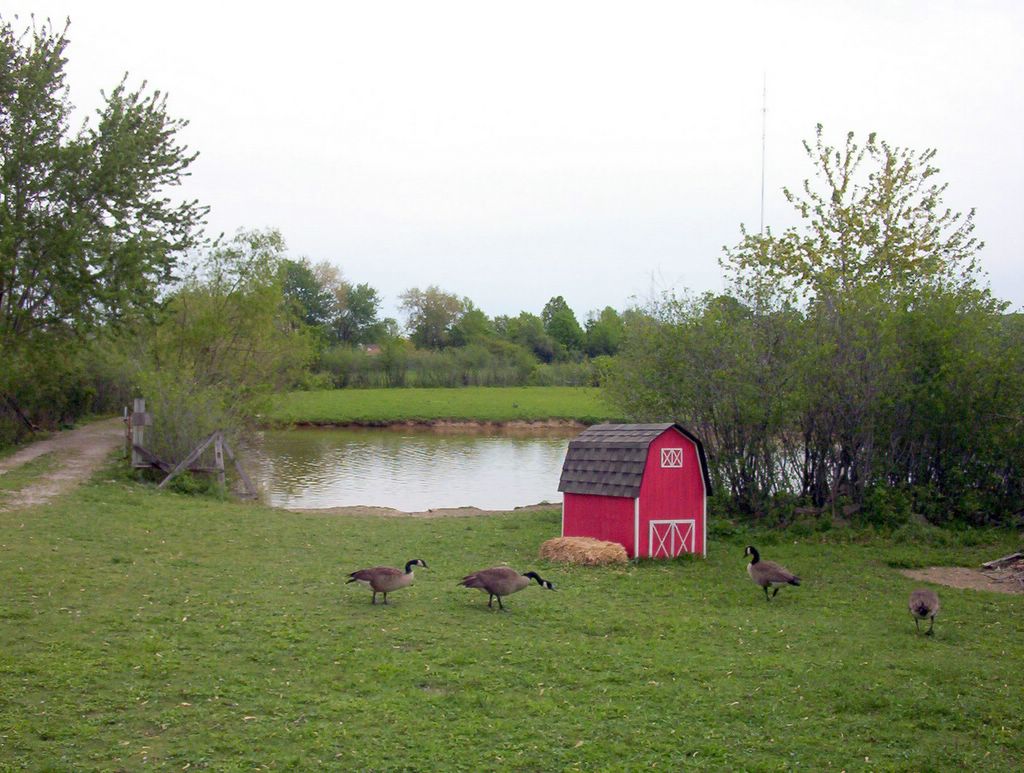

There is a small man-made lake behind the farm house.
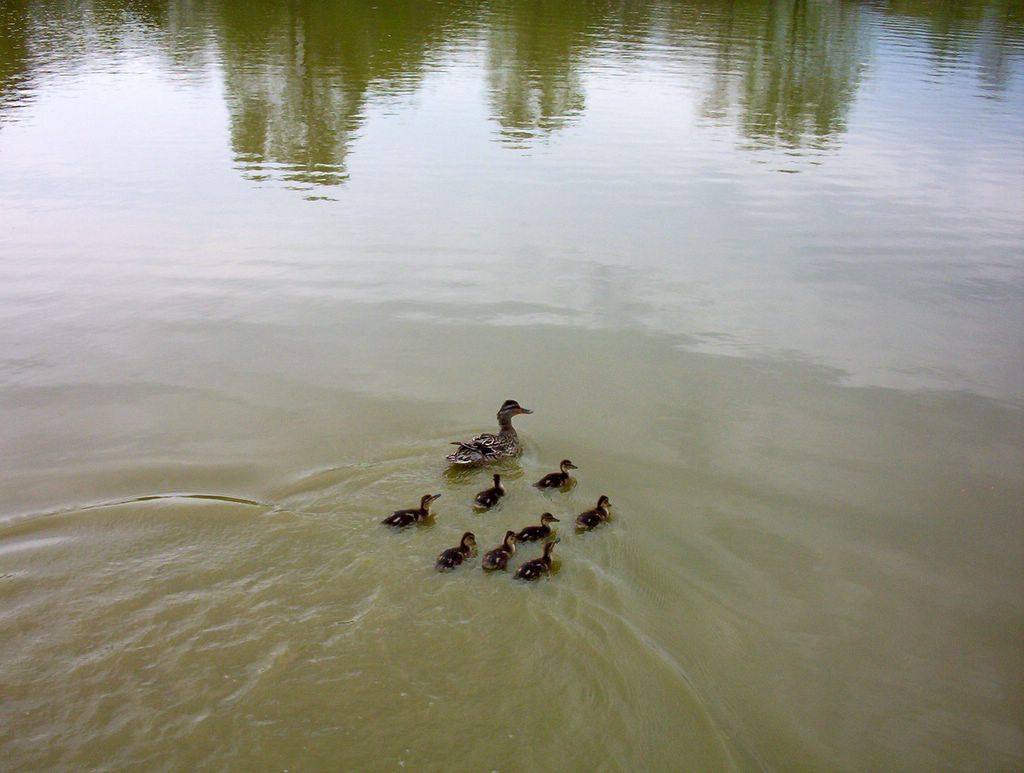
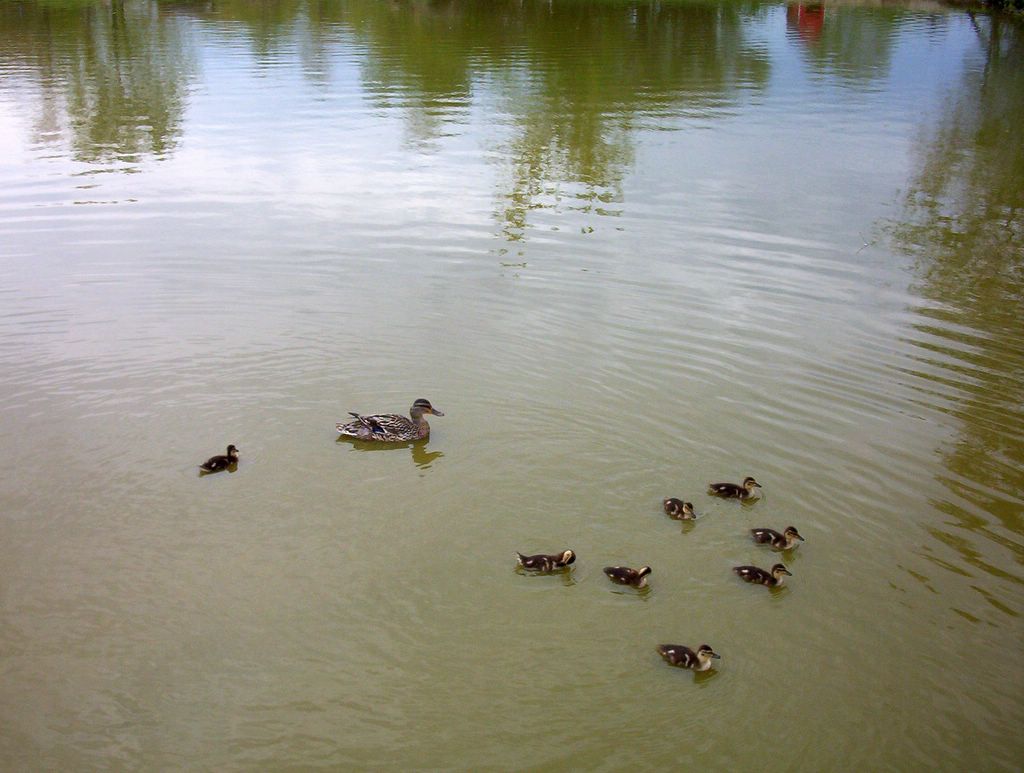
Ducklings
If you want to show your kids that milk does not come from bottles but from cows, and eggs come from hens before they are put in cartons, the Stearns Farm is the place to go.
Stearns Homestead is open during the weekends (1-4 PM) from May 23rd to mid-October.
6975 Ridge Road, Parma, OH
Phone: 440-845-9770
Admission and parking is free
References:
Stearns Homestead, Parma's Historic Farm. Ohio Department of Development, Division of Tourism.
Stearns Homestead. Parma Area Historical Society.
Published: 11/05/2008
Vala's Pumpkin Patch Fall Festival in Gretna, Nebraska
Click here to see the album Vala's Pumpkin Patch Fall Festival in Gretna, Nebraska
References:
Vala's Pumpkin Patch -- Fun For The Whole Family
Omaha. eTrips.
Published: 10/19/2008
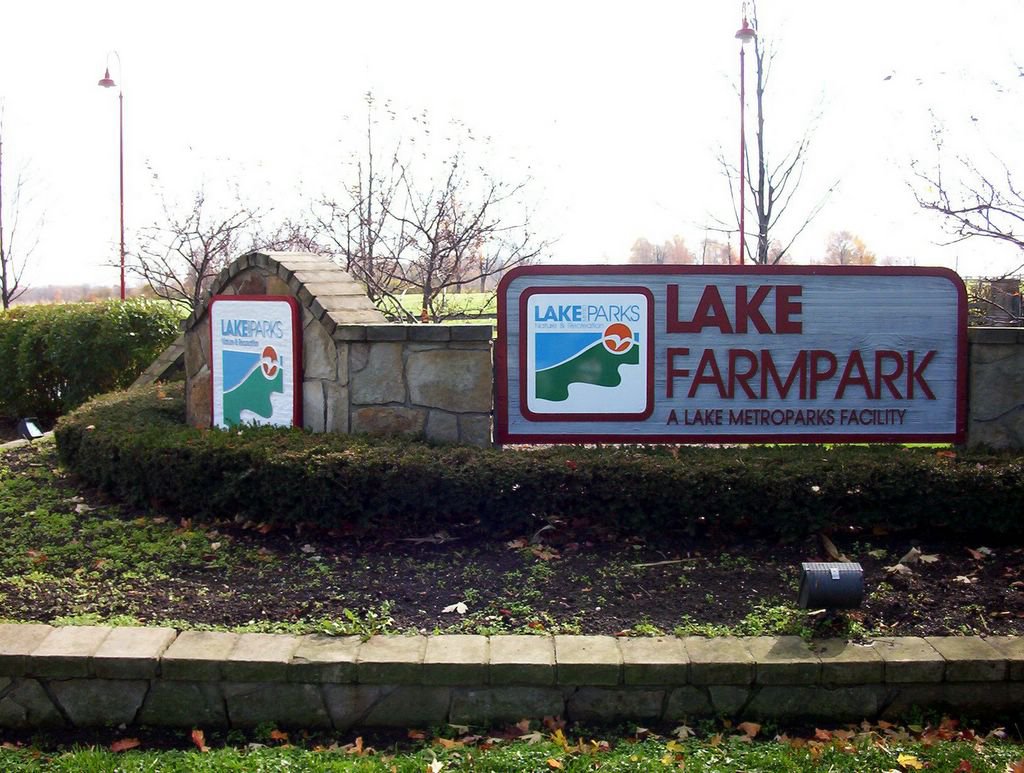
Visit a Real Farm at Lake Farmpark in Kirtland, Ohio
At Lake Farmpark "you can milk a cow, take a wagon ride, and discover over 50 breeds of farm animals up close."


The entrance of Lake Farmpark in Kirtland, Ohio. This is the main office where you can get a map of the farm and plan your visit. There are several artificial lakes on the farm property.
Cows


Milking the cow is one of the main attractions for the kids at Lake Farmpark. The cow in the picture is called Nancy and it belongs to a vary rare breed called Shorthorn. It is a triple use breed - used for milk, transport and meat but strangely enough, there are only about 1500 animals left in the USA.


Guernsey is a cow known for its golden milk, which means that it has a yellow hue due to the high content of beta carotene. Jersey is another unique breed, one of the smallest cows but it produces the most milk per pound, in other words, it is very efficient. How much milk does one cow give per day? Nancy gives 10-15 gallons per day and all of it goes to a cheese manufacturer in the county.

Cows are ruminant animals. First they eat hay and other forms of dry food and become very thirsty, then they drink 20-30 gallons of water. First, food goes to a pre-stomach, from there it is send to another structure where it is converted to fist-size balls of chewed food which is transported back to the mouth for re-chewing. Then, this ready-made food is finally swallowed in a "third stomach" where it is absorbed.
Video of Dairy Parlor at Lake Farmpark in Kirtland, Ohio
Listen to The Food Programme by BBC about Milk and Dairy.
Barnyard and Equine Center


Let's get the cart to the Barnyard and Equine Center.
Pigs


There were 11 newborn piglets - happy, pink and sleepy, as you can see. Their mother is from the Yorkshire breed.
Sheep


There are several different breeds of sheep on the farm. Suffolk (with the black head in the picture) is the most popular breed in the U.S. partly because the lambs grow very fast. Rambouillet is a sheep of giant proportions, "Rambo"-like. It is one if the biggest breeds and also has one of the longest life spans for a sheep.
Horses


There are several horses on the farm and you can also learn a lot about the different type of saddles.


The two main saddles are English and Western. English saddles are smaller. Western saddles, which are used by the cowboys, are bigger and have a horn at the top front portion.


Joskey saddles (on the left) are ridiculously small, I wonder if jockeys ever sit on them when they ride. This Gourd Horn saddle (in the middle) looks rather rough with the lamb skin for upper coverage. It was used by the early Spanish settlers in the West. The Denver saddle (on the right) was very popular among the cowboys in the 1800's and they were willing to pay as much as their two-week salary for one of those huge saddles which weigh about 40 pounds each.


These are some harnesses used by horses and oxen.


Let's take a walk around the farm. Electricity is produced from the wind by using this giant propeller. You can see what it is living in a tepee.


These pigs look quite comfortable in their mini-barn over there. There also are some llamas on the farm.
And that's all for a day at the Lake Farmpark.
Related:
Farmpark, 8800 Chardon Road, Kirtland, Ohio 44094. The Farmpark is very close to the Holden Arboretum.
A Dying Breed: the African Ankole cow could disappear within 50 years. NYTimes, 01/2008.
The Dairies Are Half-Pint, but the Flavor Isn’t. NYTimes, 02/2008.
Several links in the text are from Wikipedia.
Published: 10/11/2006
Updated: 10/20/2008
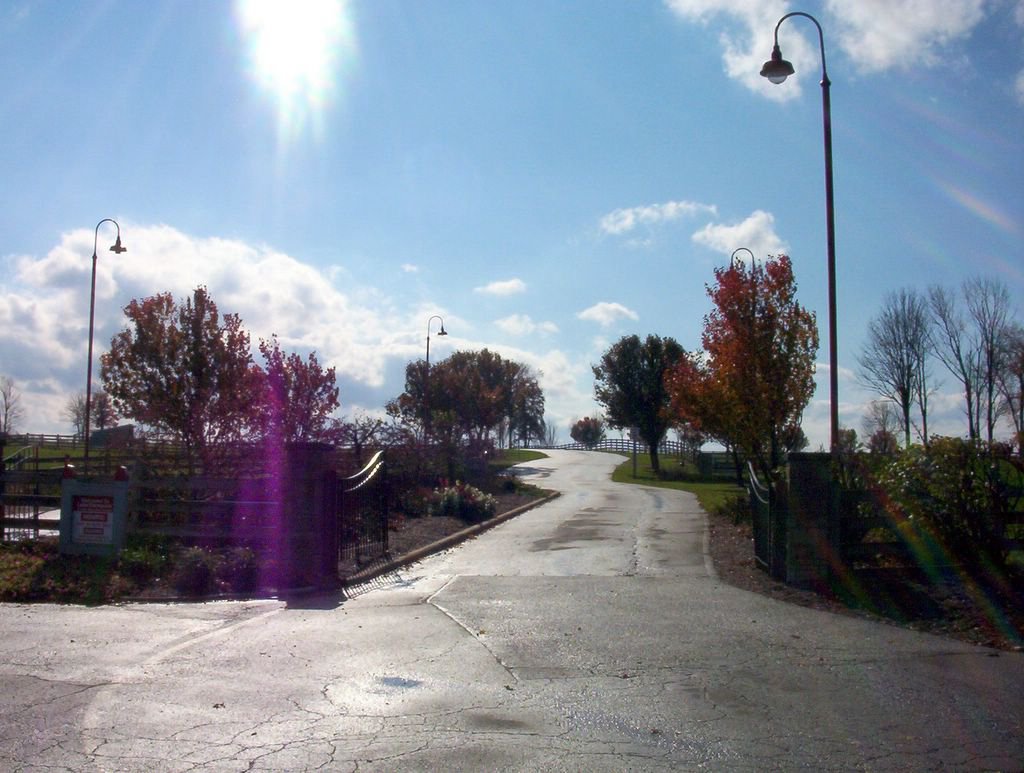
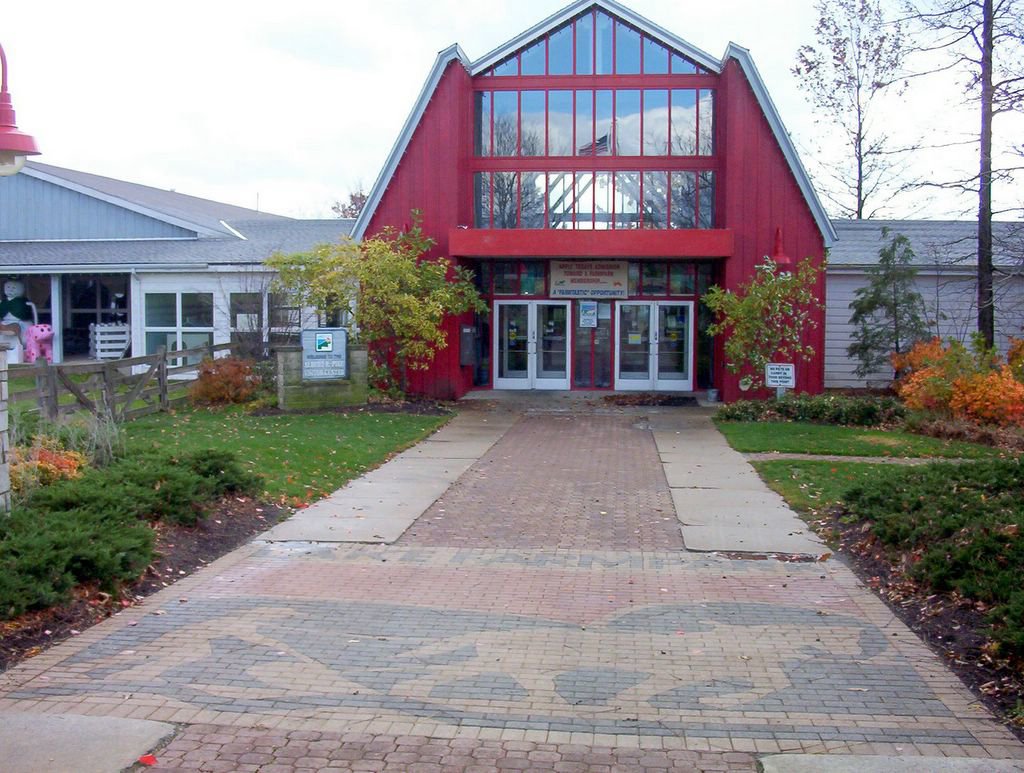
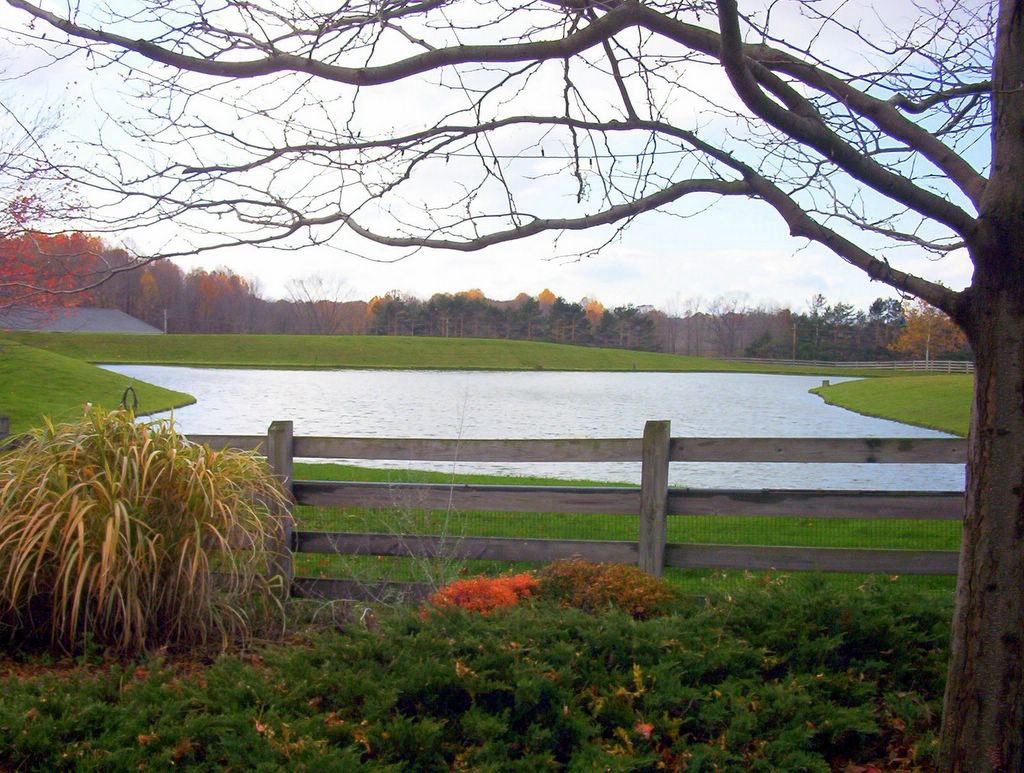
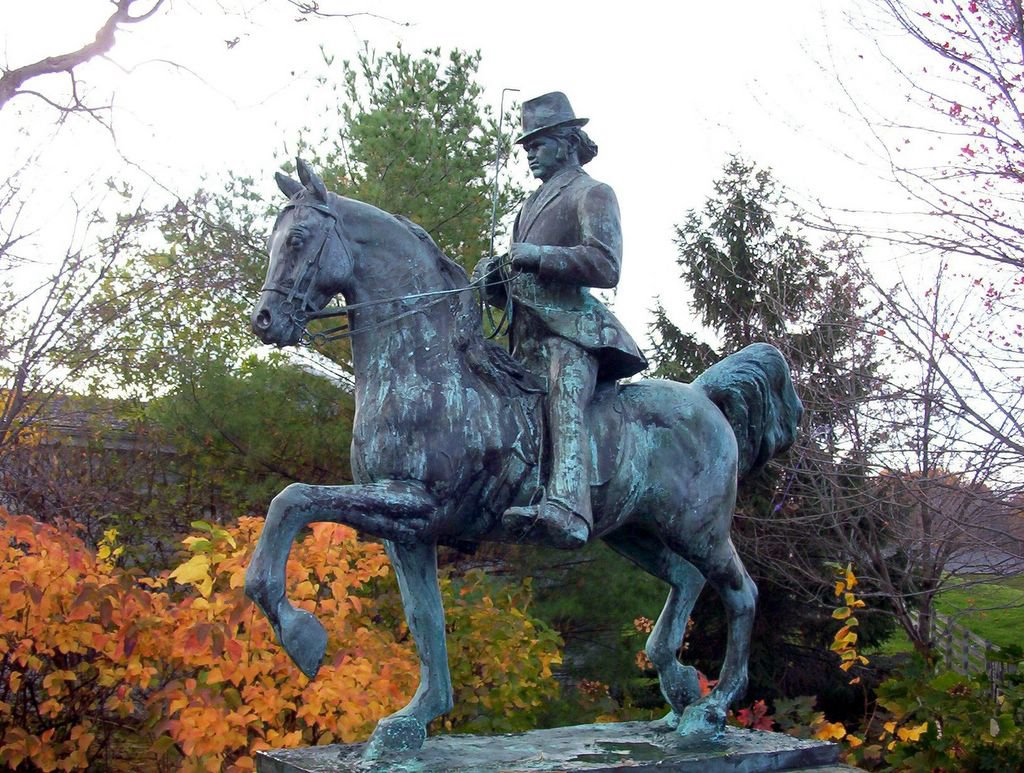
The entrance of Lake Farmpark in Kirtland, Ohio. This is the main office where you can get a map of the farm and plan your visit. There are several artificial lakes on the farm property.
Cows


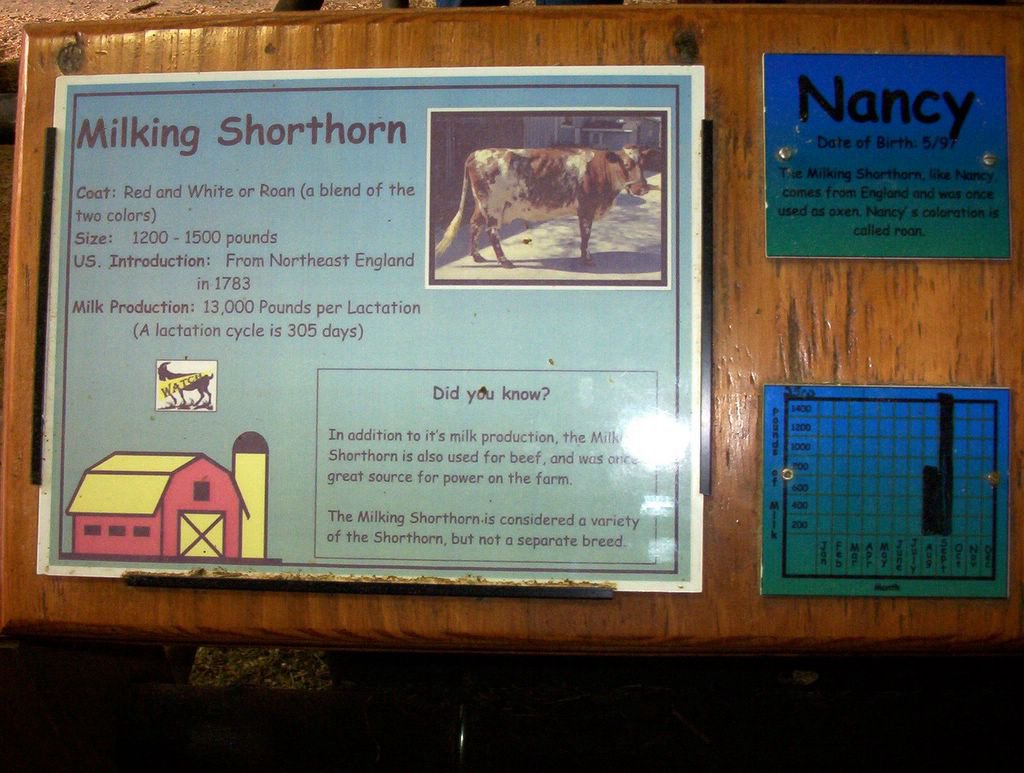
Milking the cow is one of the main attractions for the kids at Lake Farmpark. The cow in the picture is called Nancy and it belongs to a vary rare breed called Shorthorn. It is a triple use breed - used for milk, transport and meat but strangely enough, there are only about 1500 animals left in the USA.


Guernsey is a cow known for its golden milk, which means that it has a yellow hue due to the high content of beta carotene. Jersey is another unique breed, one of the smallest cows but it produces the most milk per pound, in other words, it is very efficient. How much milk does one cow give per day? Nancy gives 10-15 gallons per day and all of it goes to a cheese manufacturer in the county.
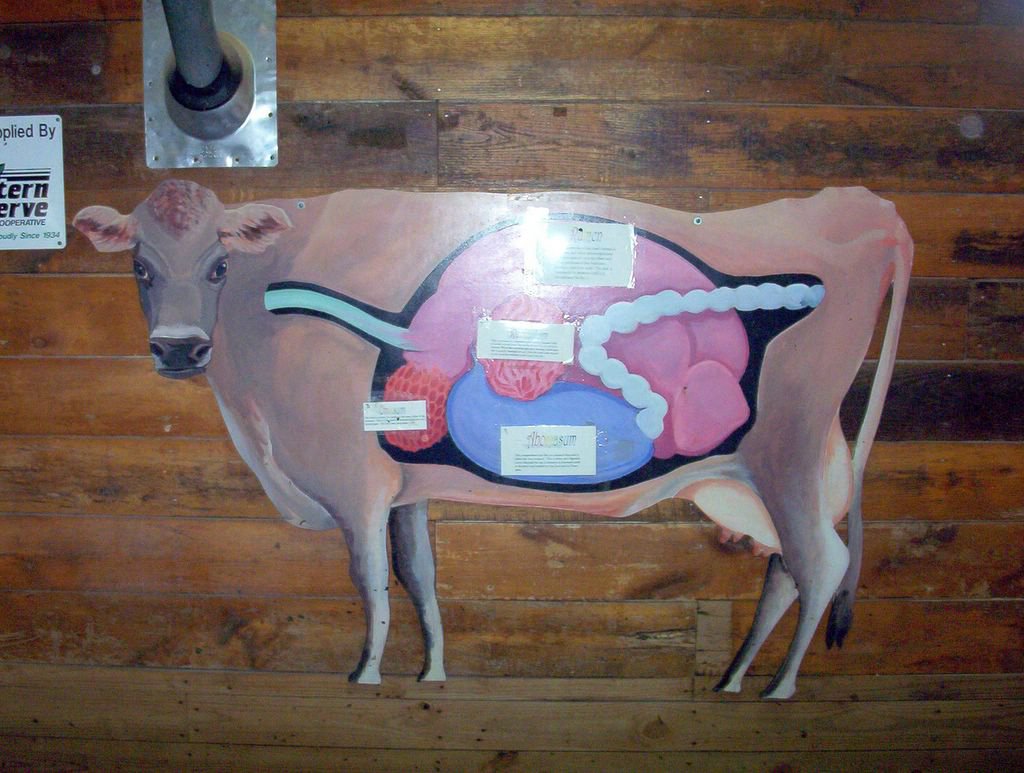
Cows are ruminant animals. First they eat hay and other forms of dry food and become very thirsty, then they drink 20-30 gallons of water. First, food goes to a pre-stomach, from there it is send to another structure where it is converted to fist-size balls of chewed food which is transported back to the mouth for re-chewing. Then, this ready-made food is finally swallowed in a "third stomach" where it is absorbed.
Video of Dairy Parlor at Lake Farmpark in Kirtland, Ohio
Listen to The Food Programme by BBC about Milk and Dairy.
Barnyard and Equine Center


Let's get the cart to the Barnyard and Equine Center.
Pigs

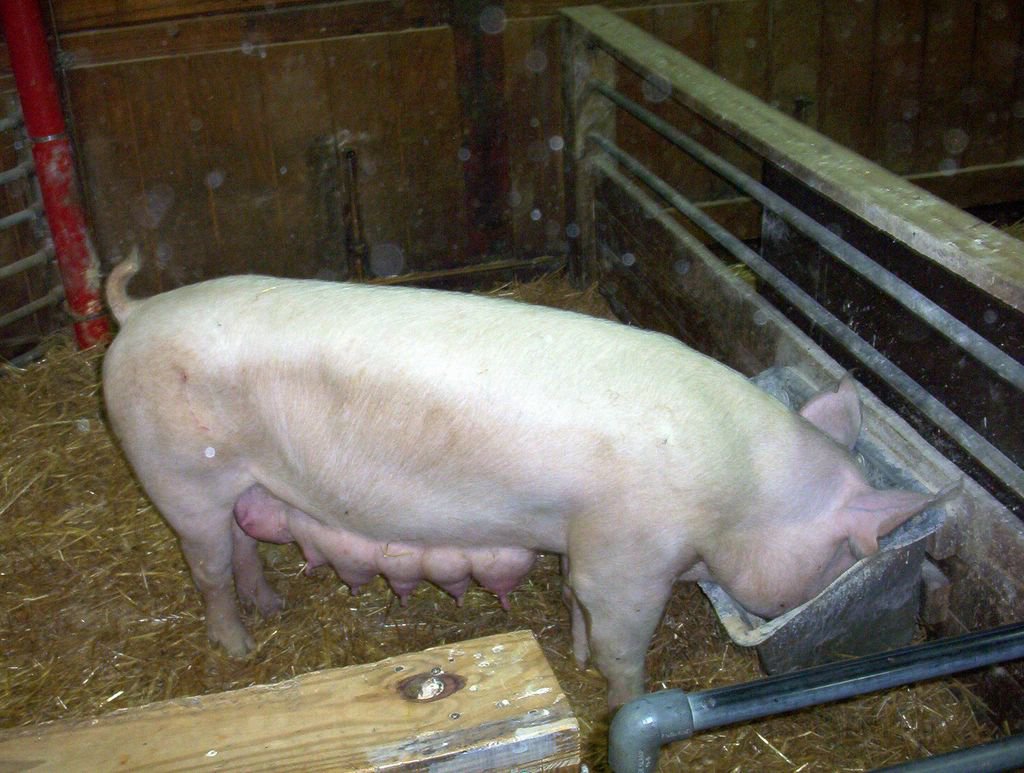
There were 11 newborn piglets - happy, pink and sleepy, as you can see. Their mother is from the Yorkshire breed.
Sheep


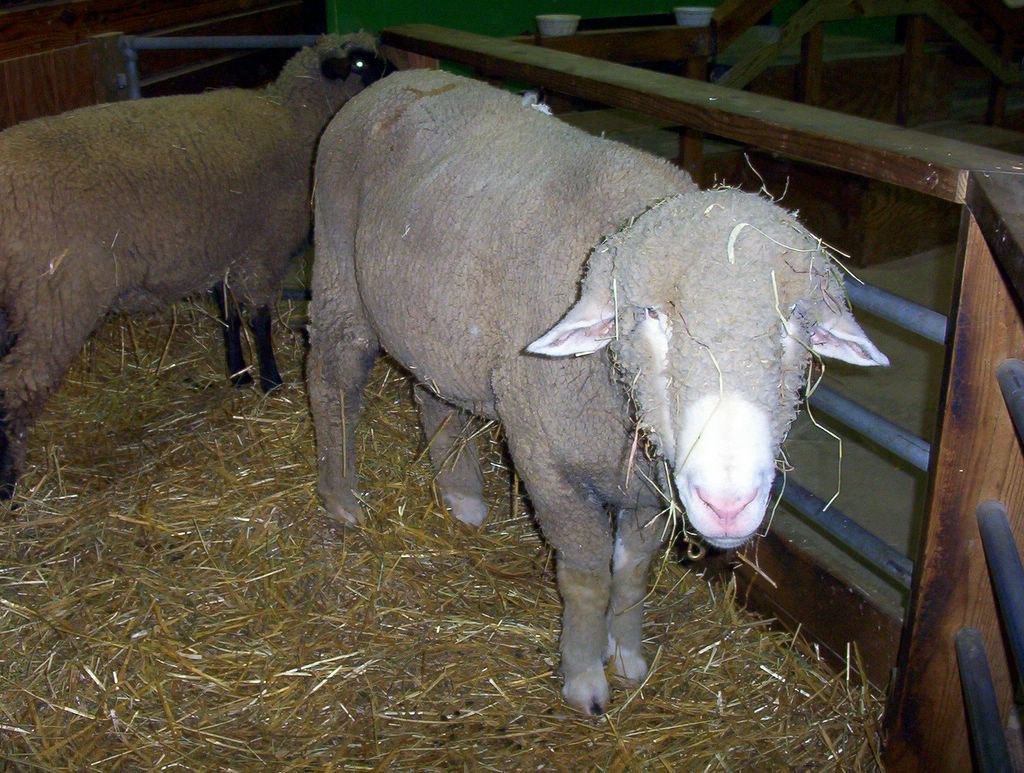
There are several different breeds of sheep on the farm. Suffolk (with the black head in the picture) is the most popular breed in the U.S. partly because the lambs grow very fast. Rambouillet is a sheep of giant proportions, "Rambo"-like. It is one if the biggest breeds and also has one of the longest life spans for a sheep.
Horses
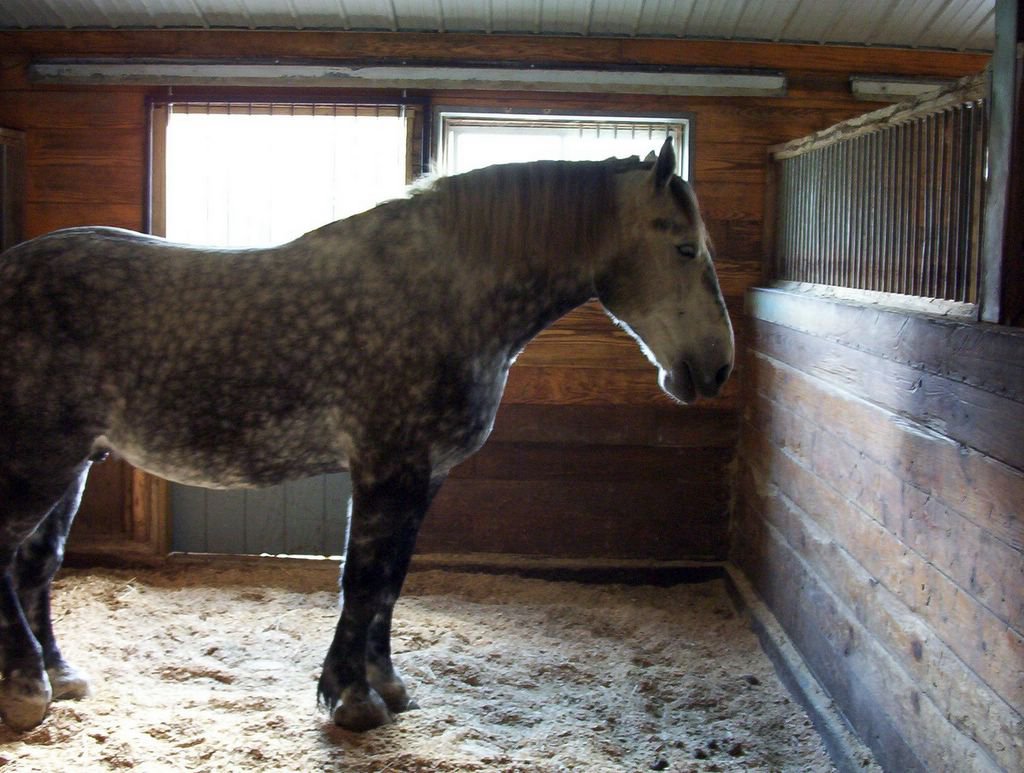
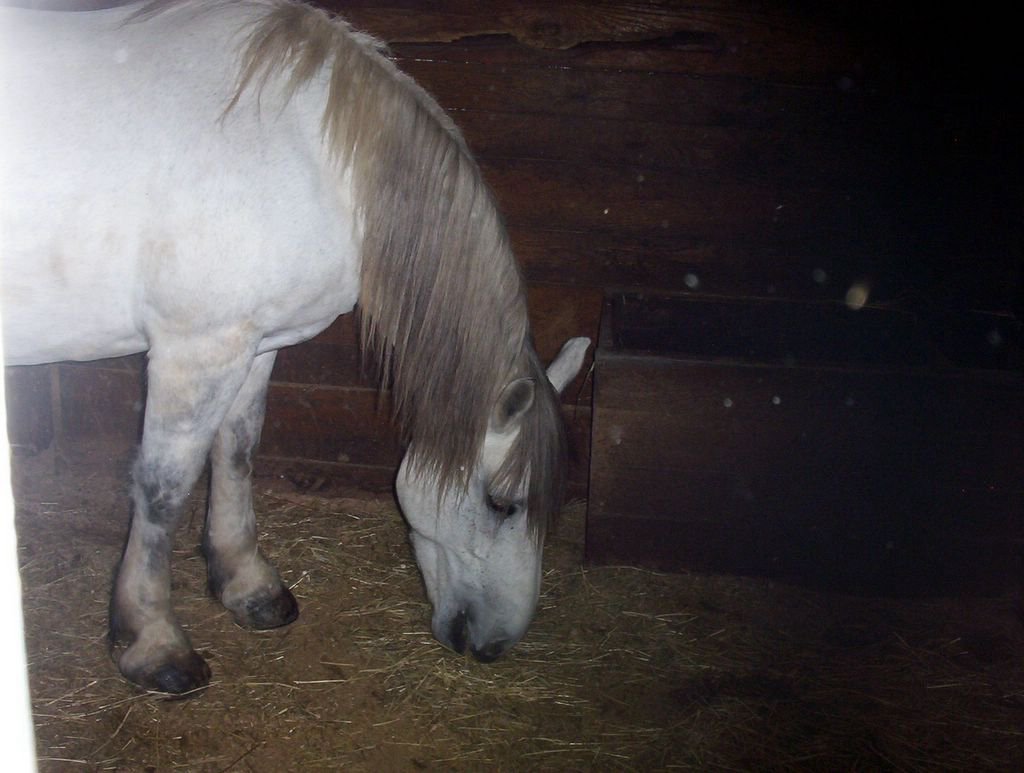
There are several horses on the farm and you can also learn a lot about the different type of saddles.

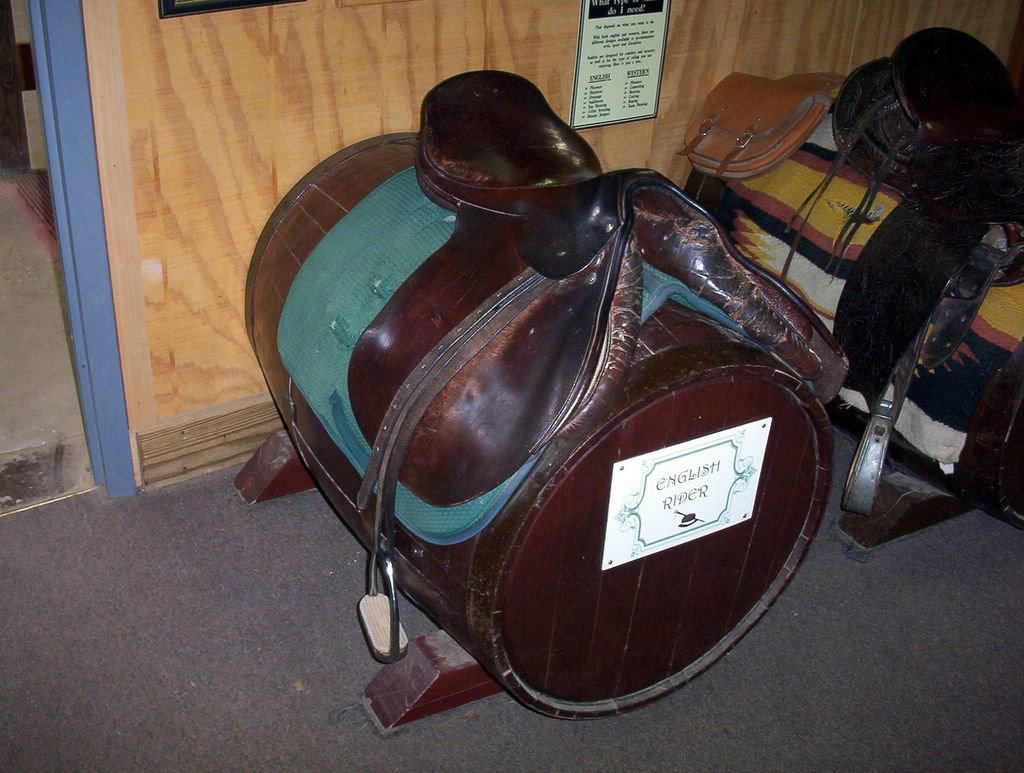


The two main saddles are English and Western. English saddles are smaller. Western saddles, which are used by the cowboys, are bigger and have a horn at the top front portion.

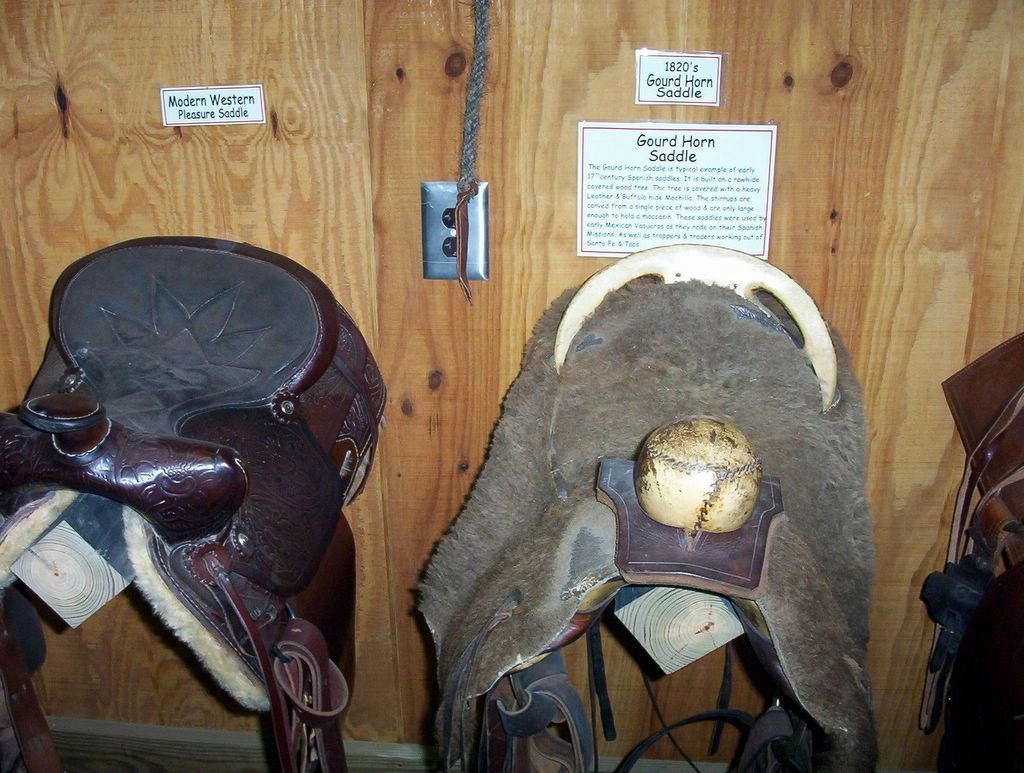
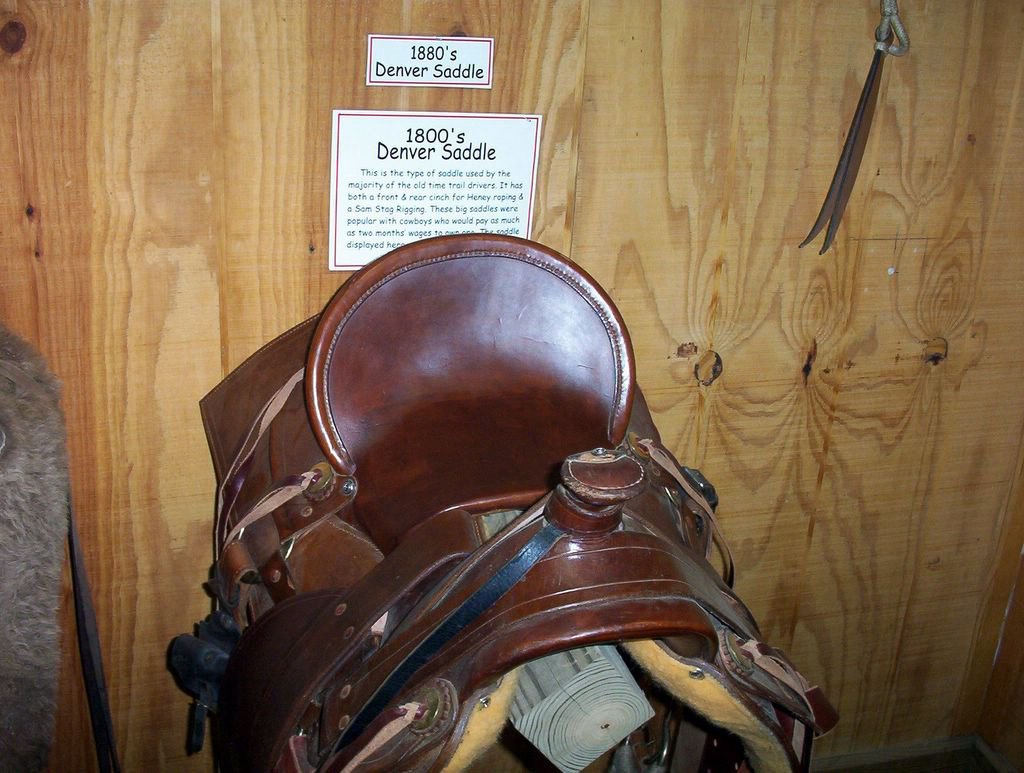
Joskey saddles (on the left) are ridiculously small, I wonder if jockeys ever sit on them when they ride. This Gourd Horn saddle (in the middle) looks rather rough with the lamb skin for upper coverage. It was used by the early Spanish settlers in the West. The Denver saddle (on the right) was very popular among the cowboys in the 1800's and they were willing to pay as much as their two-week salary for one of those huge saddles which weigh about 40 pounds each.
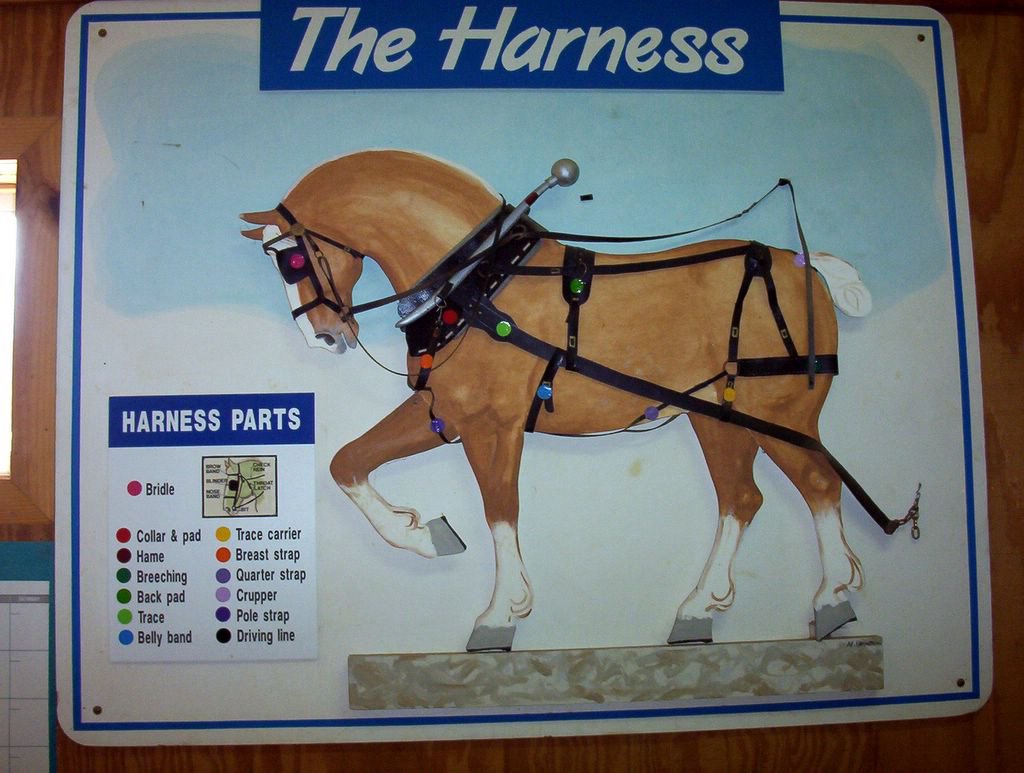
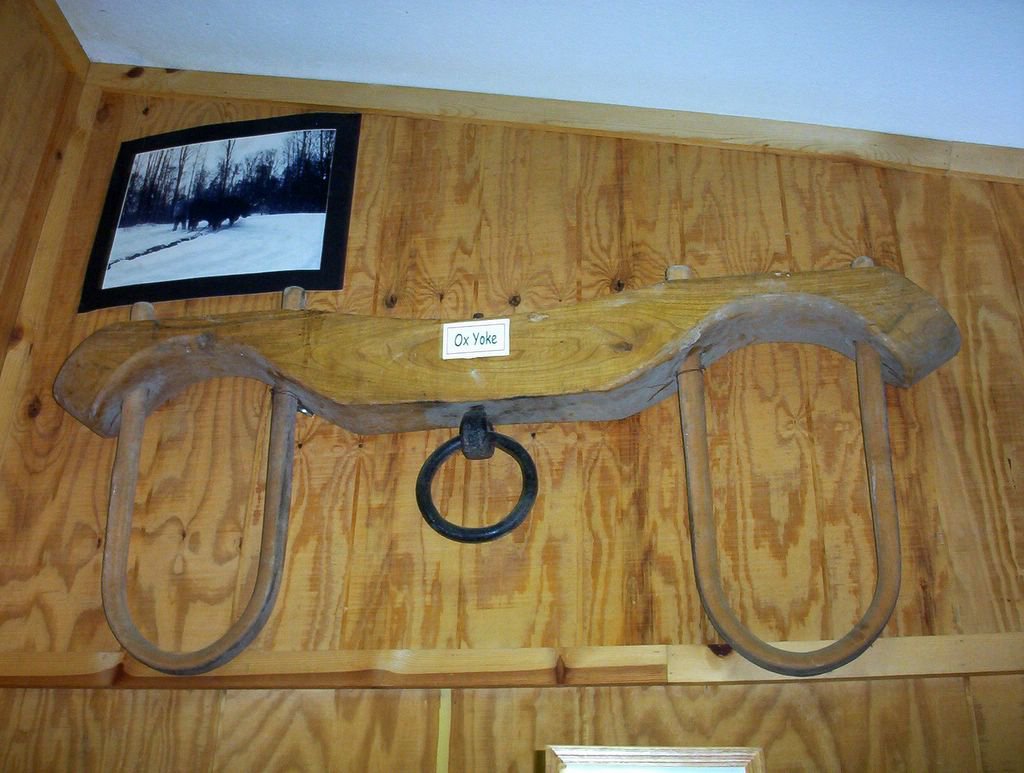
These are some harnesses used by horses and oxen.


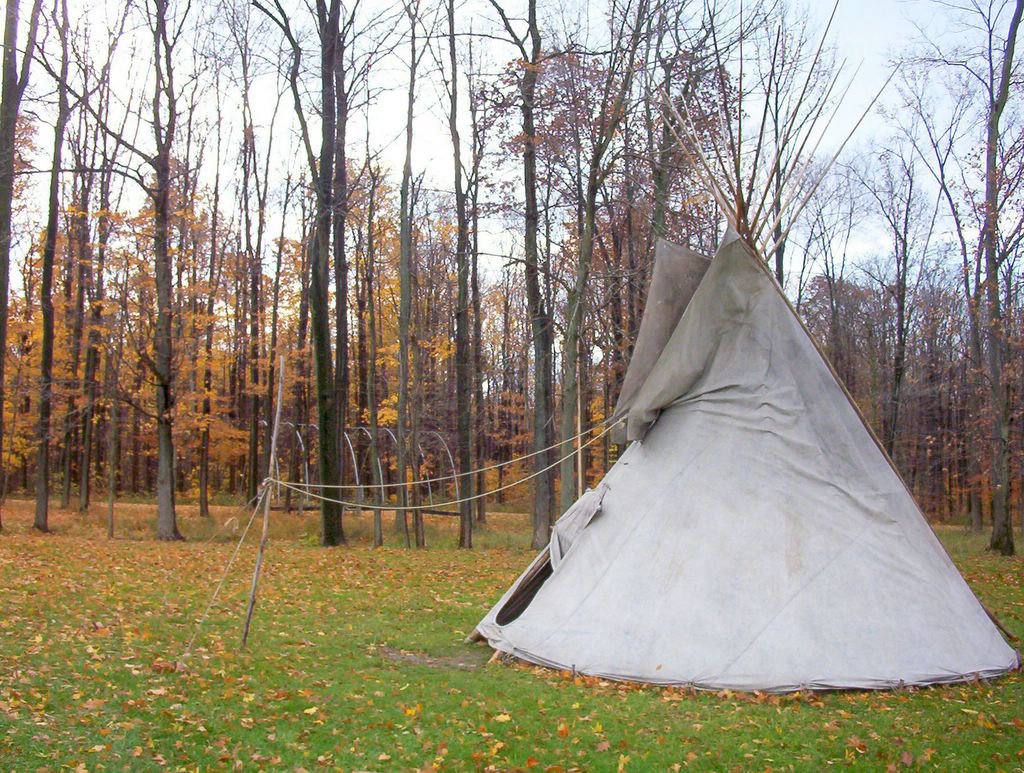
Let's take a walk around the farm. Electricity is produced from the wind by using this giant propeller. You can see what it is living in a tepee.

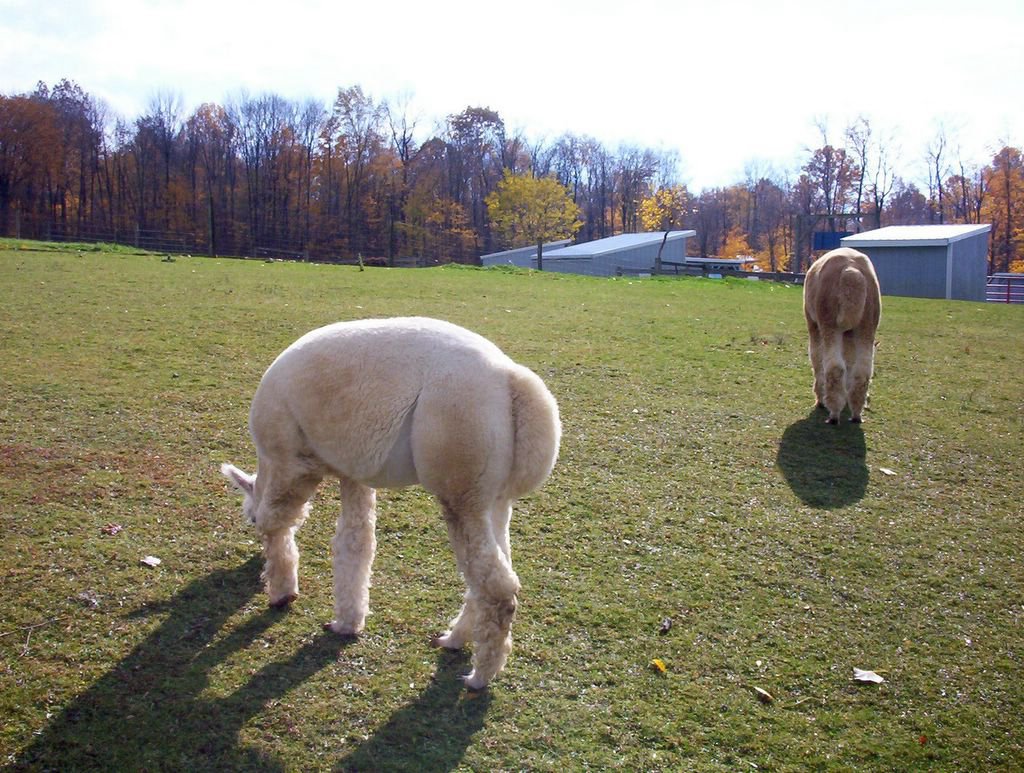

These pigs look quite comfortable in their mini-barn over there. There also are some llamas on the farm.
And that's all for a day at the Lake Farmpark.
Related:
Farmpark, 8800 Chardon Road, Kirtland, Ohio 44094. The Farmpark is very close to the Holden Arboretum.
A Dying Breed: the African Ankole cow could disappear within 50 years. NYTimes, 01/2008.
The Dairies Are Half-Pint, but the Flavor Isn’t. NYTimes, 02/2008.
Several links in the text are from Wikipedia.
Published: 10/11/2006
Updated: 10/20/2008
Subscribe to:
Posts (Atom)
