Showing posts with label Museums. Show all posts
Showing posts with label Museums. Show all posts

History of chocolate - Field Museum, Chicago
History of chocolate - Field Museum, Chicago:
References:
History of Chocolate - Archive, Field Museum, Chicago.
Field Museum to cut staff, overhaul operations and limit research scope http://buff.ly/TyU4ds
References:
History of Chocolate - Archive, Field Museum, Chicago.
Field Museum to cut staff, overhaul operations and limit research scope http://buff.ly/TyU4ds
Shedd Aquarium in Chicago
Shedd Aquarium in Chicago (album).

The entrance.

The Caribbean Reef exhibit was built in 1971. A feature of this exhibit is a diver that interacts with the animals while talking with the people.

The Abbott Oceanarium is split into two levels, above and below the waterline. Above the waterline, there are bleachers where guests can watch the aquatic show, while below the waterline, guests can see the Beluga Whales and Dolphins up close. Animals in the Oceanarium include Sea Otters, Sea Lions, Pacific White-sided Dolphins, and Beluga Whales.

The Wild Reef is located underground just off the main foyer. The largest habitat holds 400,000 gallons and several differant species of sharks. Other displays include live corals, a mangrove forest, and a re-created Filipino Fishing village.


The Chicago skyline viewed from the entrance.
References:
Shedd Aquarium. Wikipedia.
Art Institute of Chicago
Art Institute of Chicago (album).

The impressionists collection.

The arms and armor collection.

Mexican and African art.

Ancient Egypt.
The basic level of membership cost $80 and includes 2 adults and their children under the age of 18.
The most cost-effective parking is probably at the East Monroe Garage ($14) (it closes for renovation in May 2011 for one year) (source: 1, 2).
References:
Art Institute of Chicago. Wikipedia.
Guggenheim Museum
From Writer's Almanac:
The Solomon R. Guggenheim Museum opened in New York City in 1959. Guggenheim himself was a mogul of the mining industry, and after his retirement in the late 1920s, he turned his energy to collecting art, contemporary art by people like Pablo Picasso, Amedeo Modigliani, Vasily Kandinsky, and Marc Chagall. He housed his work in a small sales room in Manhattan, but the collection outgrew the space. So he invited the famous architect Frank Lloyd Wright to design a museum.
Guggenheim kept putting off the actual construction of the museum, and he and his art advisor, a German baroness, kept demanding that Wright change things. It ended up taking 16 years from the time Wright was hired until the museum actually opened its door. Guggenheim died in 1949, but he set aside $2 million for the museum, and a couple of years later they finally broke ground. Frank Lloyd Wright died in April of 1959, six months before one of his most famous buildings opened.
References:
Writer's Almanac.
Durham Museum in Omaha, Nebraska
The Durham Museum (formerly known as the Durham Western Heritage Museum) is located at 801 South 10th Street in downtown Omaha, Nebraska. The museum is dedicated to preserving and displaying the history of the United States' western region. The museum is housed in Omaha's Union Station.
Click here to see the album.
References:
Durham Museum. Wikipedia.
Click here to see the album.
References:
Durham Museum. Wikipedia.
Joslyn Art Museum in Omaha, Nebraska
Author: V. Dimov
Joslyn Art Museum in Omaha, Nebraska. Click here for the slideshow.
The Joslyn Art Museum, located in Omaha, is the main fine arts museum in the state of Nebraska. The museum opened in 1931, a gift from Sarah H. Joslyn in memory of her husband, George A. Joslyn.
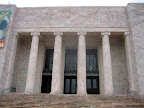
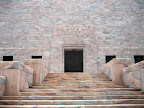
It occupies a large and impressive Art Deco building designed by John and Alan McDonald, constructed of Georgia Pink marble, with 38 different marbles from all over the world in the interior. The structure of Art Deco is based on mathematical geometric shapes.

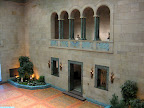
The museum's tiled Fountain Court.
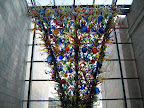
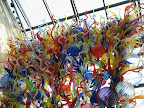
Inside and Out installation by Dale Chihuly at the Joslyn Art Museum.
European collection: 16th and 17th century works include paintings by Veronese, Titian, Claude Lorrain and El Greco. However the strongest collections are from the 19th century, including romantic works by Delacroix and Gustave Doré, realist works by Corot and Gustave Courbet, and an impressionist works by Degas, Monet, Pissarro, and Renoir.
Western American collection: including important collections of work by the Swiss artist Karl Bodmer based on his 1832-34 journey to the Missouri River frontier, and by Alfred Jacob Miller, also illustrating the West of the 1830s.
Although the best known names appear in the European and American collections, it is probably the Western American and Native American collections that have the greatest importance as collections, allowing a rare opportunity to study these genres and periods of art as well as giving an important insight into the history of the western United States.
References:
Joslyn Art Museum, from Wikipedia, the free encyclopedia.
George Catlin, from Wikipedia, the free encyclopedia.
Published: 02/21/2009
Updated: 04/14/2009
Joslyn Art Museum in Omaha, Nebraska. Click here for the slideshow.
The Joslyn Art Museum, located in Omaha, is the main fine arts museum in the state of Nebraska. The museum opened in 1931, a gift from Sarah H. Joslyn in memory of her husband, George A. Joslyn.
It occupies a large and impressive Art Deco building designed by John and Alan McDonald, constructed of Georgia Pink marble, with 38 different marbles from all over the world in the interior. The structure of Art Deco is based on mathematical geometric shapes.
The museum's tiled Fountain Court.
Inside and Out installation by Dale Chihuly at the Joslyn Art Museum.
European collection: 16th and 17th century works include paintings by Veronese, Titian, Claude Lorrain and El Greco. However the strongest collections are from the 19th century, including romantic works by Delacroix and Gustave Doré, realist works by Corot and Gustave Courbet, and an impressionist works by Degas, Monet, Pissarro, and Renoir.
Western American collection: including important collections of work by the Swiss artist Karl Bodmer based on his 1832-34 journey to the Missouri River frontier, and by Alfred Jacob Miller, also illustrating the West of the 1830s.
Although the best known names appear in the European and American collections, it is probably the Western American and Native American collections that have the greatest importance as collections, allowing a rare opportunity to study these genres and periods of art as well as giving an important insight into the history of the western United States.
References:
Joslyn Art Museum, from Wikipedia, the free encyclopedia.
George Catlin, from Wikipedia, the free encyclopedia.
Published: 02/21/2009
Updated: 04/14/2009
Freedom Park Navy Museum in Omaha, Nebraska
Freedom Park is an outdoor park and museum on the bank of the Missouri River in East Omaha, Nebraska at the Greater Omaha Marina at 2000 North 25th Street.
Freedom Park serves as an United States Naval Museum on the Missouri River and is the home of:
- USS Marlin SST-2 Submarine
- USS Hazard AM-240 Minesweeper
- Anchor & Propeller Garden
- Shipboard Rocket Launchers
- Douglas A-4D Skyhawk Jet Fighter
Freedom Park Navy Museum. Click here to see the pictures.
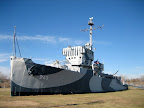
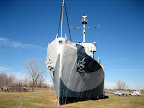
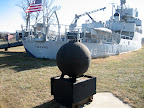
The USS Hazard. From Wikipedia: US Hazard (AM-240) was a Admirable class minesweeper which served in the United States Navy during World War II. Hazard was launched on 1 October 1944 and was commissioned on 30 December 1944. The Hazard was fitted for both wire and acoustic sweeping and could double as an anti-submarine warfare platform. Hazard is a National Historic Landmark, the only Admirable class minesweeper left in the United States.
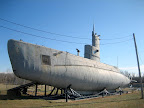

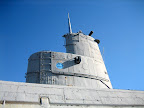
The USS Marlin at Freedom Park. From Wikipedia: USS Marlin (SST-2), a T-1-class submarine, was the second submarine of the United States Navy to be named for the marlin, a large game fish. She was originally known as T-2. After shakedown in the Massachusetts Bay area, T-2, one of the smallest operational submarines ever built for the Navy, got underway from New London, Connecticut, in late January 1954 for her home port of Key West, Florida. Assigned to Submarine Squadron 12, Submarine Force, Atlantic Fleet, she immediately began operations in the sector from southern Florida to Guantanamo Bay, Cuba. For a decade and a half she performed valuable service as a target and training ship and has helped to evaluate submarine and antisubmarine equipment and tactics. From 1963 she performed mainly target duty for both surface and air antisubmarine units out of Key West. Marlin and her sister Mackerel (SST-1) were decommissioned on 31 January 1973, in a dual ceremony at the Naval Station, Key West, Florida.

A-4 Skyhawk. The Douglas A-4 Skyhawk is a carrier-capable ground-attack aircraft designed for the United States Navy and U.S. Marine Corps.
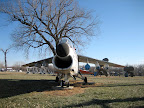
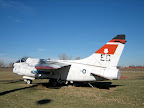
A-7 Corsair II. The Ling-Temco-Vought A-7 Corsair II is a carrier-based subsonic light attack aircraft introduced to replace the United States Navy's A-4 Skyhawk, initially entering service during the Vietnam War.
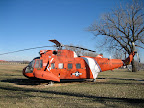
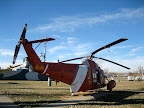
HH-52A Seaguard, Sikorsky S-62. The Sikorsky S-62 was a single turbine engine, single rotor amphibious helicopter. It was used by the United States Coast Guard as the HH-52A Seaguard primarily for search and rescue.

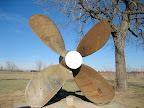

Anchor & Propeller Garden

Shipboard Rocket Launchers
View Larger Map
References:
Freedom Park, City of Omaha Official Web Site.
Freedom Park (Omaha), from Wikipedia, the free encyclopedia
Zorinsky Lake Park. City of Omaha's Official Web Site.
Omaha Trails at OmahaTrails.com
Trails in Omaha, from Wikipedia, the free encyclopedia
Parks in Omaha, Nebraska, from Wikipedia, the free encyclopedia
Chalco Hills Recreation Area, from Wikipedia, the free encyclopedia
Published: 11/04/2008
Updated: 12/21/2008
Freedom Park serves as an United States Naval Museum on the Missouri River and is the home of:
- USS Marlin SST-2 Submarine
- USS Hazard AM-240 Minesweeper
- Anchor & Propeller Garden
- Shipboard Rocket Launchers
- Douglas A-4D Skyhawk Jet Fighter
Freedom Park Navy Museum. Click here to see the pictures.
The USS Hazard. From Wikipedia: US Hazard (AM-240) was a Admirable class minesweeper which served in the United States Navy during World War II. Hazard was launched on 1 October 1944 and was commissioned on 30 December 1944. The Hazard was fitted for both wire and acoustic sweeping and could double as an anti-submarine warfare platform. Hazard is a National Historic Landmark, the only Admirable class minesweeper left in the United States.
The USS Marlin at Freedom Park. From Wikipedia: USS Marlin (SST-2), a T-1-class submarine, was the second submarine of the United States Navy to be named for the marlin, a large game fish. She was originally known as T-2. After shakedown in the Massachusetts Bay area, T-2, one of the smallest operational submarines ever built for the Navy, got underway from New London, Connecticut, in late January 1954 for her home port of Key West, Florida. Assigned to Submarine Squadron 12, Submarine Force, Atlantic Fleet, she immediately began operations in the sector from southern Florida to Guantanamo Bay, Cuba. For a decade and a half she performed valuable service as a target and training ship and has helped to evaluate submarine and antisubmarine equipment and tactics. From 1963 she performed mainly target duty for both surface and air antisubmarine units out of Key West. Marlin and her sister Mackerel (SST-1) were decommissioned on 31 January 1973, in a dual ceremony at the Naval Station, Key West, Florida.
A-4 Skyhawk. The Douglas A-4 Skyhawk is a carrier-capable ground-attack aircraft designed for the United States Navy and U.S. Marine Corps.
A-7 Corsair II. The Ling-Temco-Vought A-7 Corsair II is a carrier-based subsonic light attack aircraft introduced to replace the United States Navy's A-4 Skyhawk, initially entering service during the Vietnam War.
HH-52A Seaguard, Sikorsky S-62. The Sikorsky S-62 was a single turbine engine, single rotor amphibious helicopter. It was used by the United States Coast Guard as the HH-52A Seaguard primarily for search and rescue.
Anchor & Propeller Garden
Shipboard Rocket Launchers
View Larger Map
References:
Freedom Park, City of Omaha Official Web Site.
Freedom Park (Omaha), from Wikipedia, the free encyclopedia
Zorinsky Lake Park. City of Omaha's Official Web Site.
Omaha Trails at OmahaTrails.com
Trails in Omaha, from Wikipedia, the free encyclopedia
Parks in Omaha, Nebraska, from Wikipedia, the free encyclopedia
Chalco Hills Recreation Area, from Wikipedia, the free encyclopedia
Published: 11/04/2008
Updated: 12/21/2008
Parade the Circle at the University Circle in Cleveland
Parade the Circle is an yearly event in June. It is organized by the Cleveland community and is truly a feast for the eyes.
The parade is at the University circle - a magnificent place between the Botanical garden and the Museums of Art and Natural History. Actually, the "base camp" for the parade is at the parking lot of the Cleveland Museum of Art. All participants assemble their costumes there and this is the starting point for the parade.


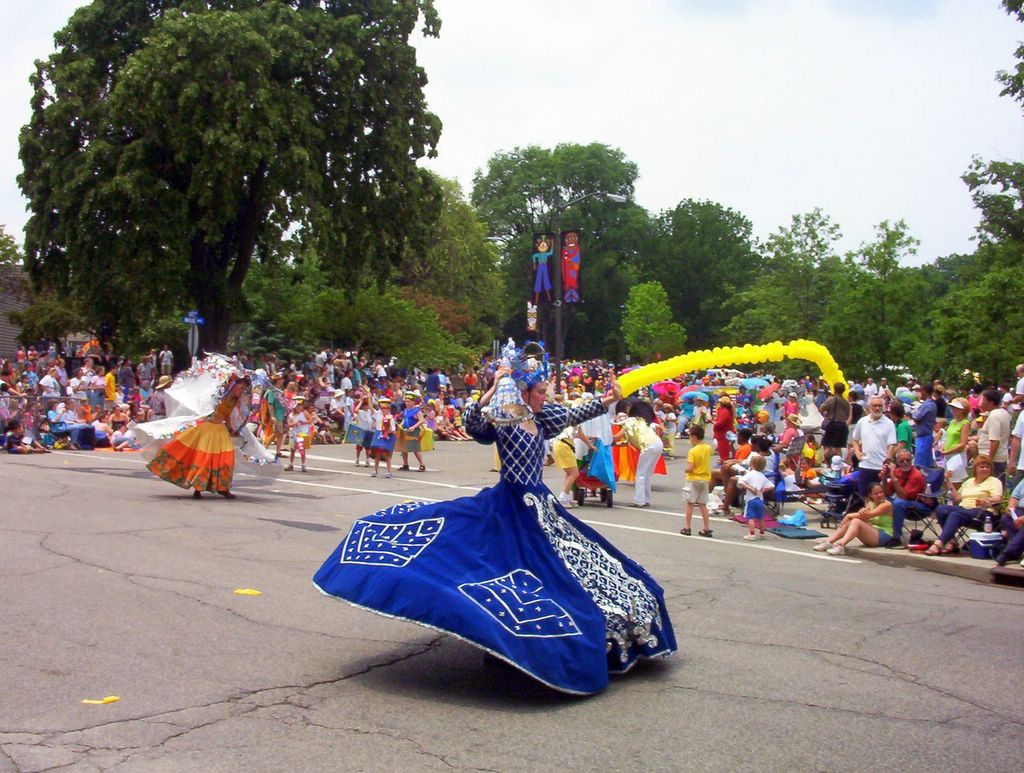
Every year the themes and costumes are different, so the parade is never the same. The event is about an hour and a half long, with hundreds of participants. In order to know which part of the parade you are looking at, the organizers subdivide the procession by color arches made with balloons. This is the sunshine lady (the picture above) and there was plenty of sun during the parade, so please make sure that you wear a hat and a SPF of at least 50.


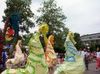
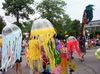
This is the sea theme with fish, sea horses, jelly fish, etc.
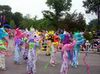
I do not know what these creatures are but they certainly look scary.
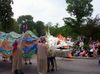
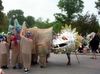

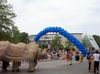
This huge fish can actually turn his head backwards! That was the blue arch procession. Let's see what the yellow arch will bring...


The parade music varies from marches to jazz, to reggae, to Beatles, you name it...

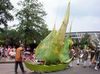


Yellow arch with boats and elephants
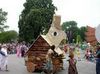
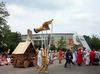

And what is this? I am not sure... Walking trees?
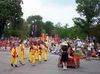

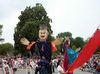
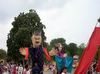
This is the Chinese procession.
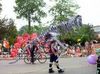
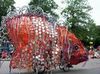
Dinosaurs are back! And some huge fish...

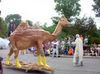
Camel-riding bedouins, and there is a camel carrying a whole city on her back.
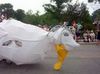
I am not sure what this creature is but it surely looks quite peaceful.
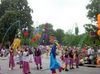


More parade participants.
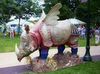

Magical creatures can be seen after the parade - like this rhinoceros with wings and the tired dinosaur taking a nap leaning on this lamp post.
Published: 06/14/2005
Updated: 06/12/2009
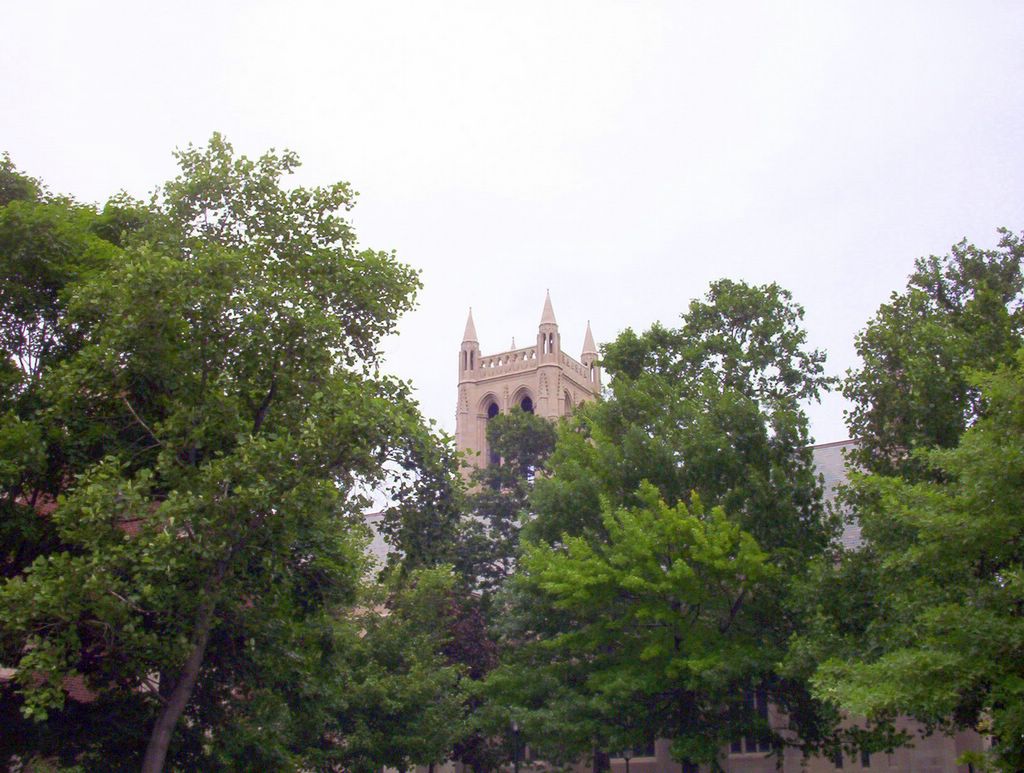
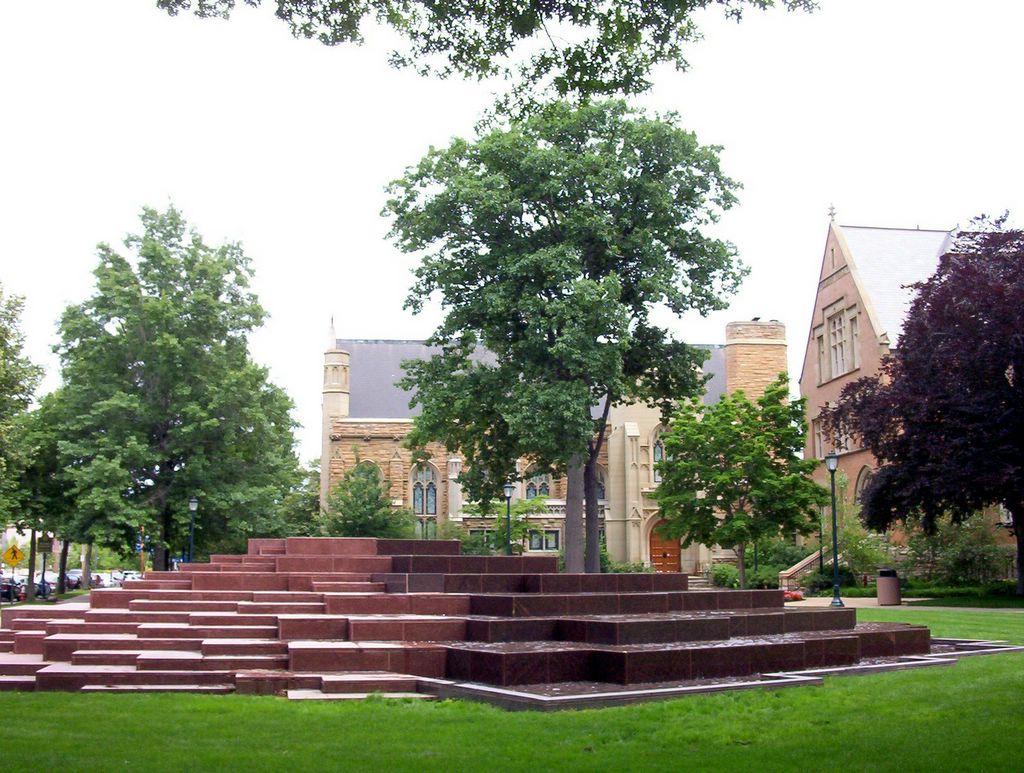
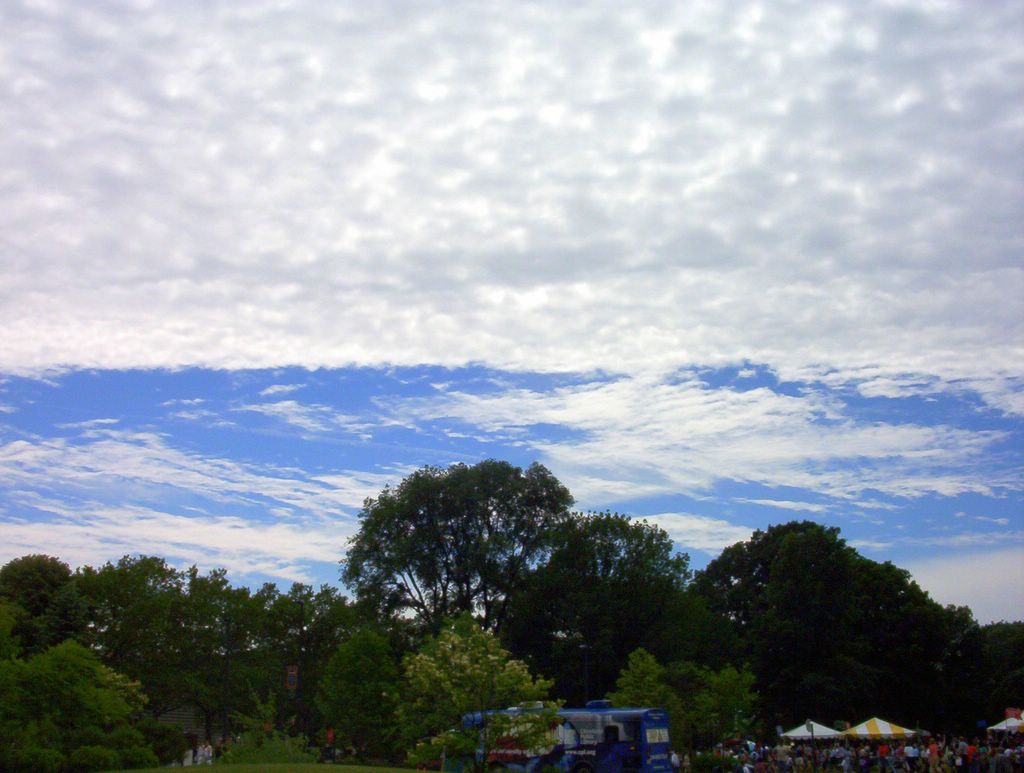
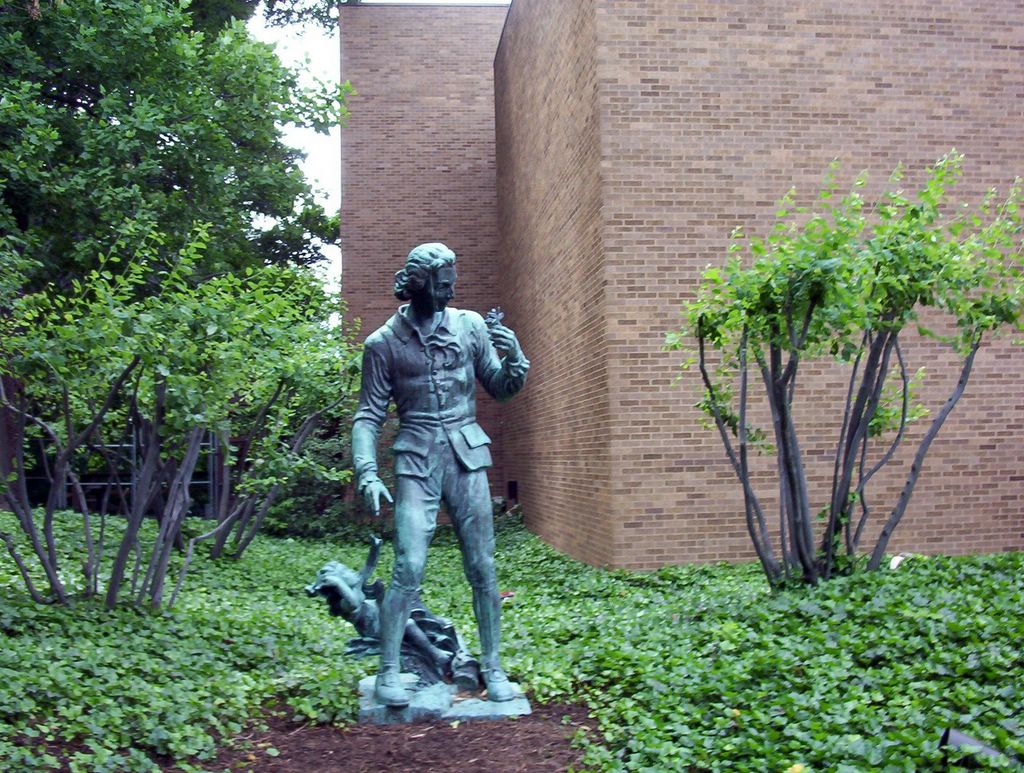
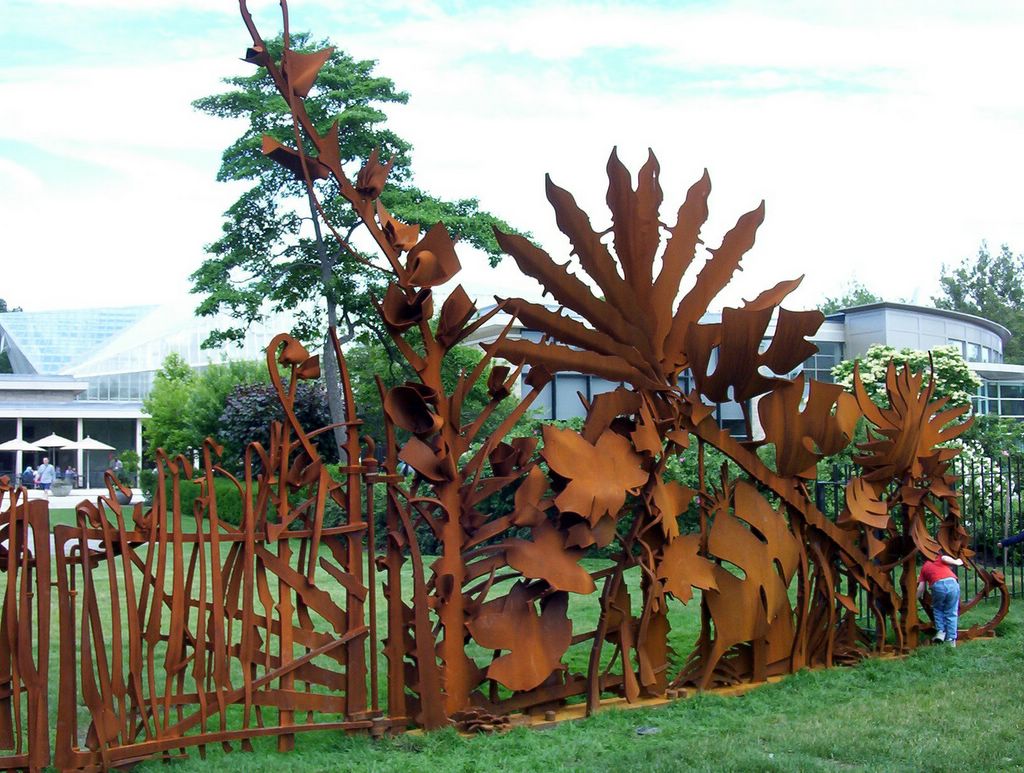
The parade is at the University circle - a magnificent place between the Botanical garden and the Museums of Art and Natural History. Actually, the "base camp" for the parade is at the parking lot of the Cleveland Museum of Art. All participants assemble their costumes there and this is the starting point for the parade.
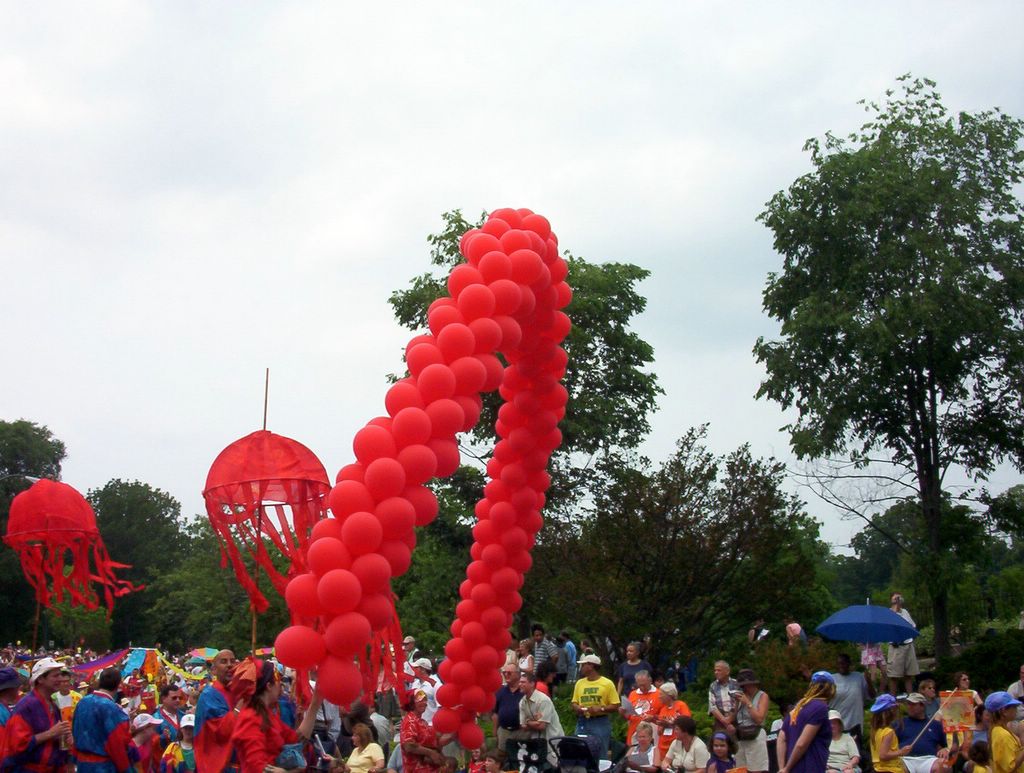
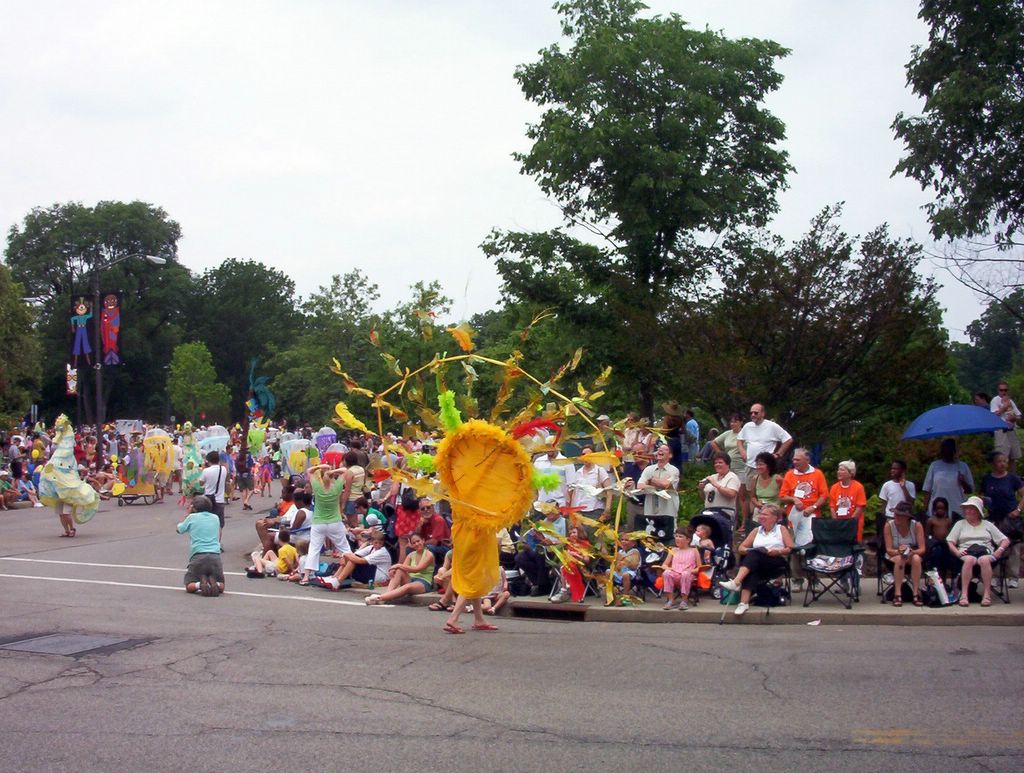
Every year the themes and costumes are different, so the parade is never the same. The event is about an hour and a half long, with hundreds of participants. In order to know which part of the parade you are looking at, the organizers subdivide the procession by color arches made with balloons. This is the sunshine lady (the picture above) and there was plenty of sun during the parade, so please make sure that you wear a hat and a SPF of at least 50.

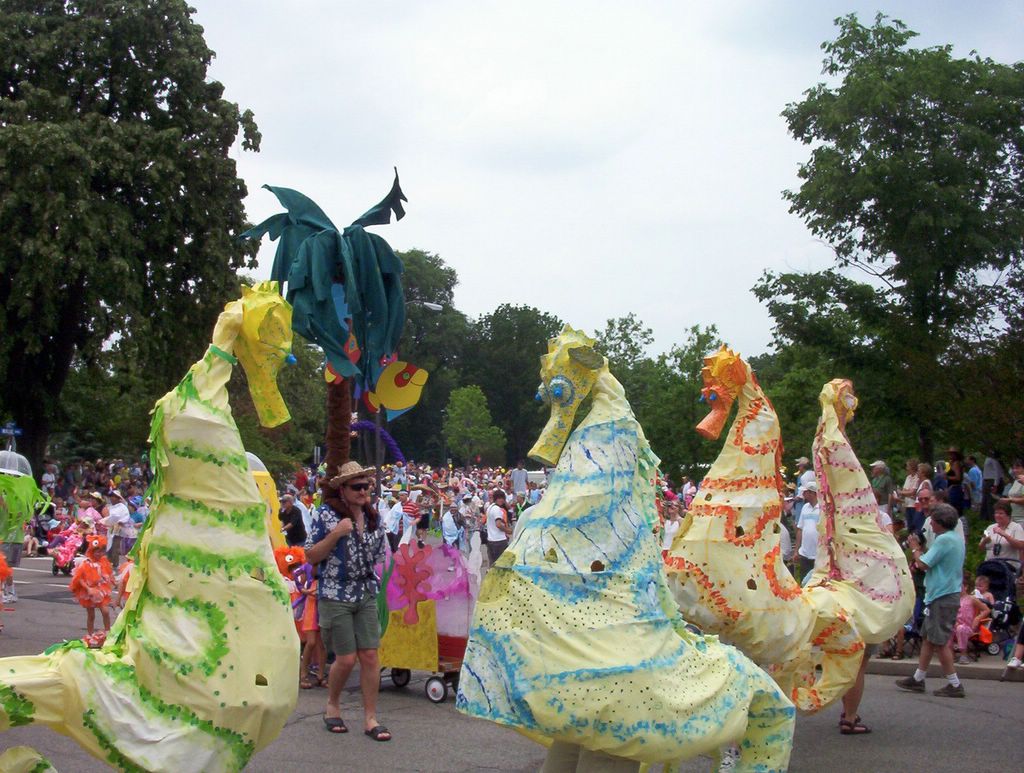


This is the sea theme with fish, sea horses, jelly fish, etc.
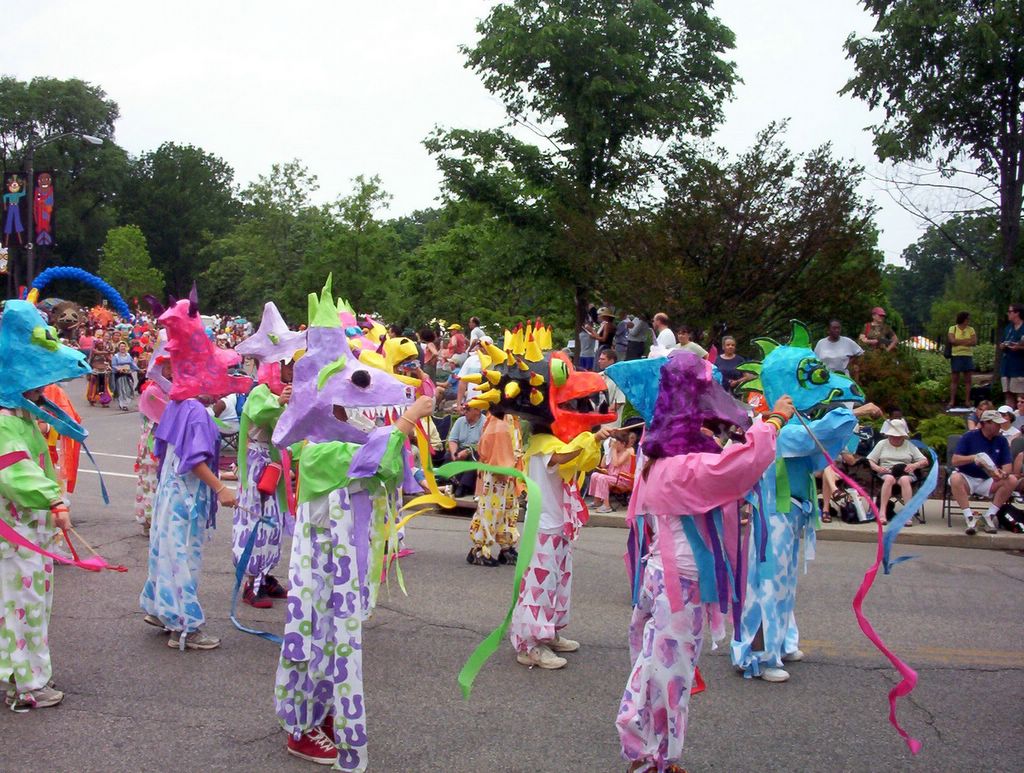
I do not know what these creatures are but they certainly look scary.
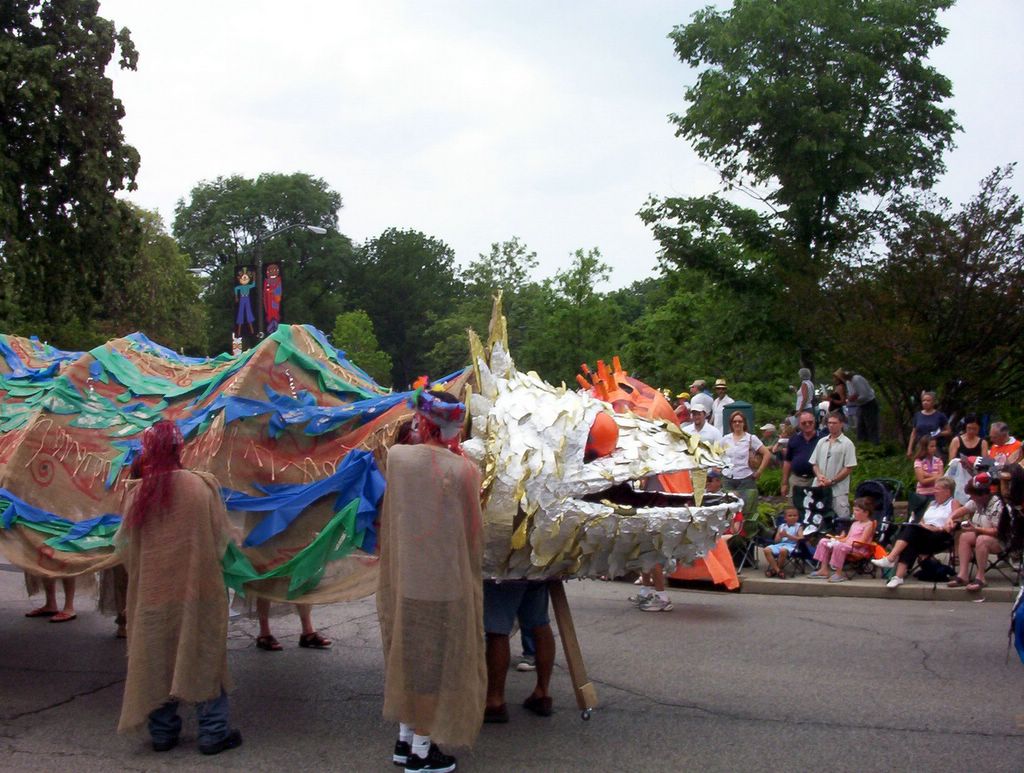

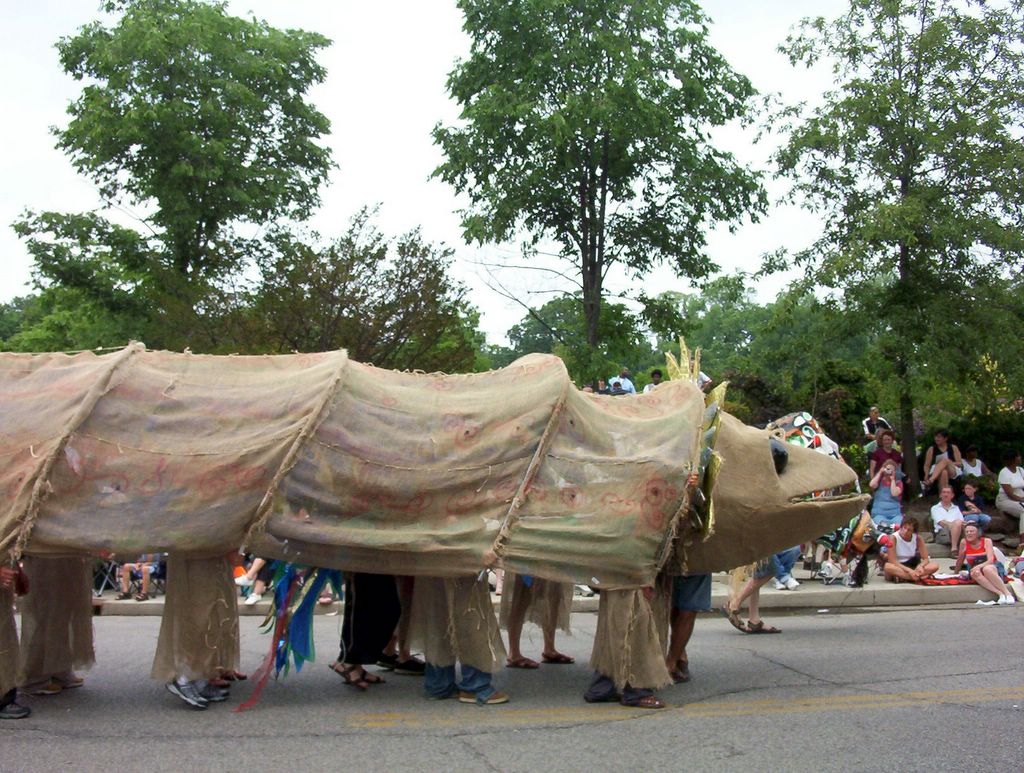
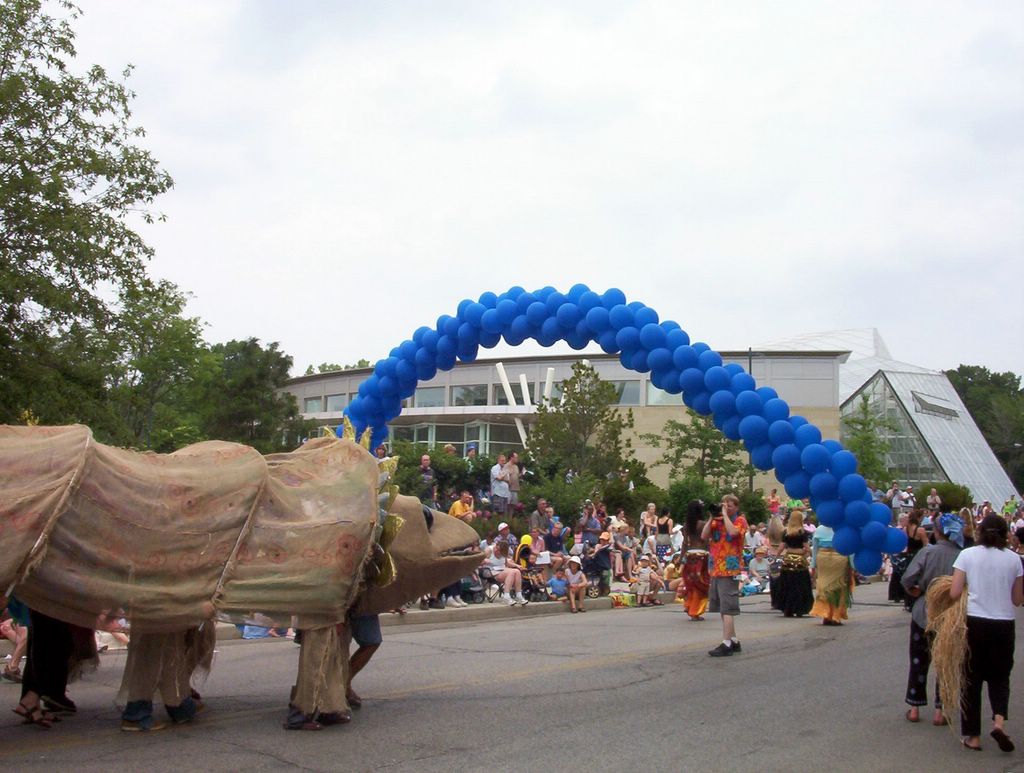
This huge fish can actually turn his head backwards! That was the blue arch procession. Let's see what the yellow arch will bring...
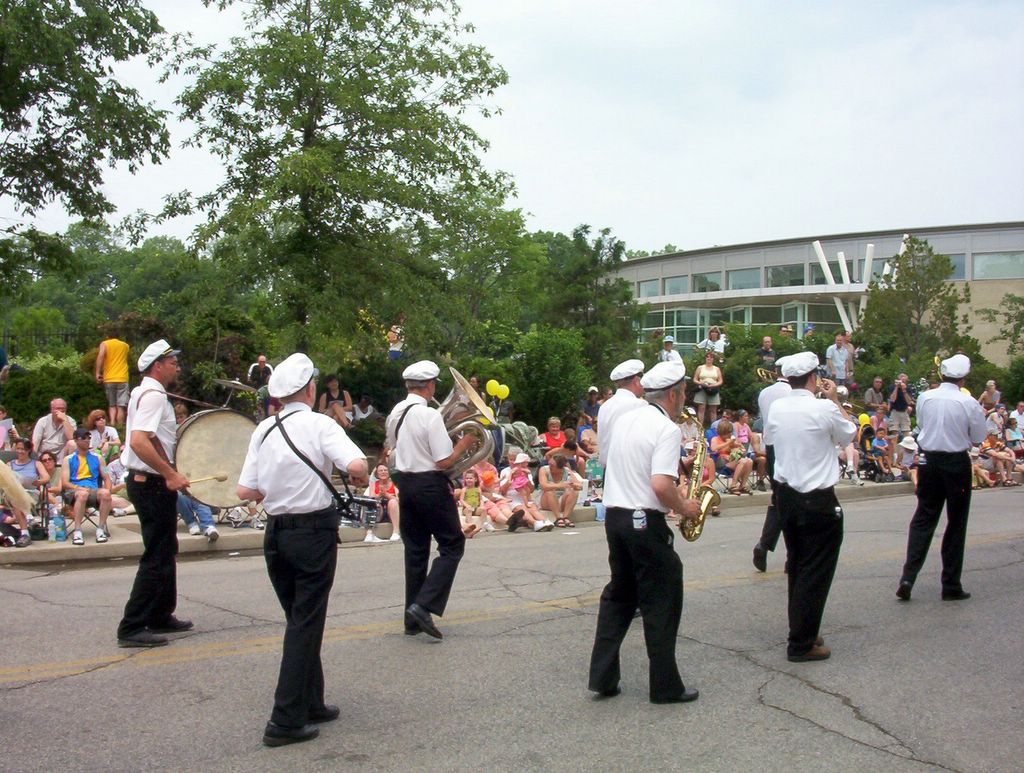
The parade music varies from marches to jazz, to reggae, to Beatles, you name it...

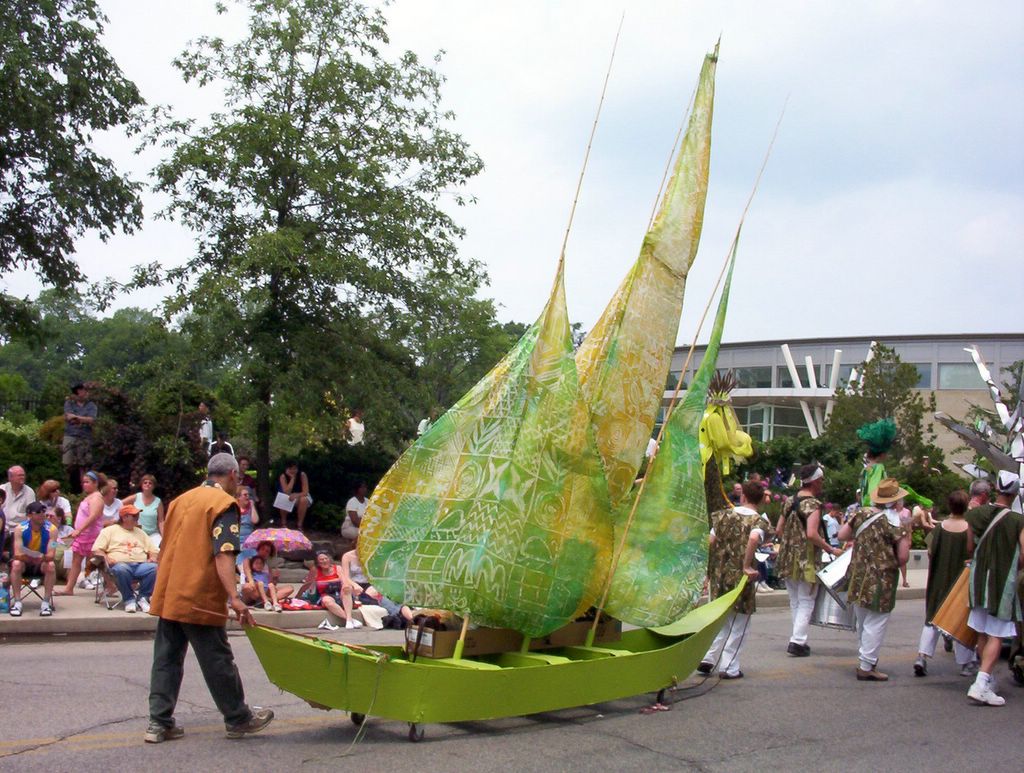
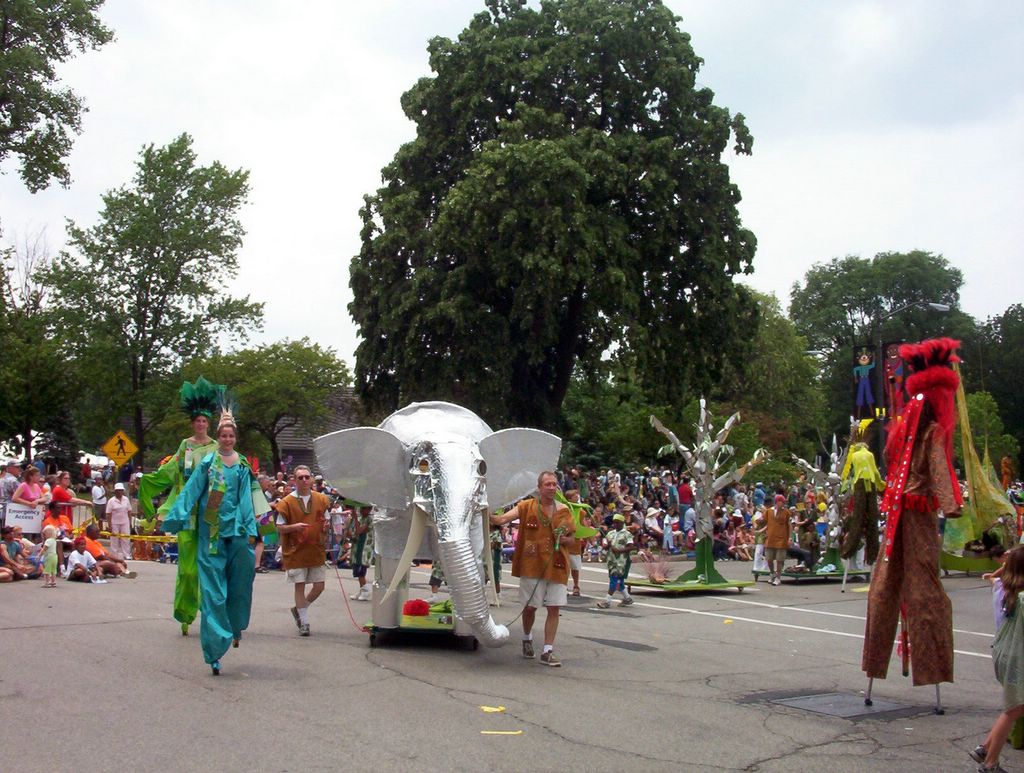
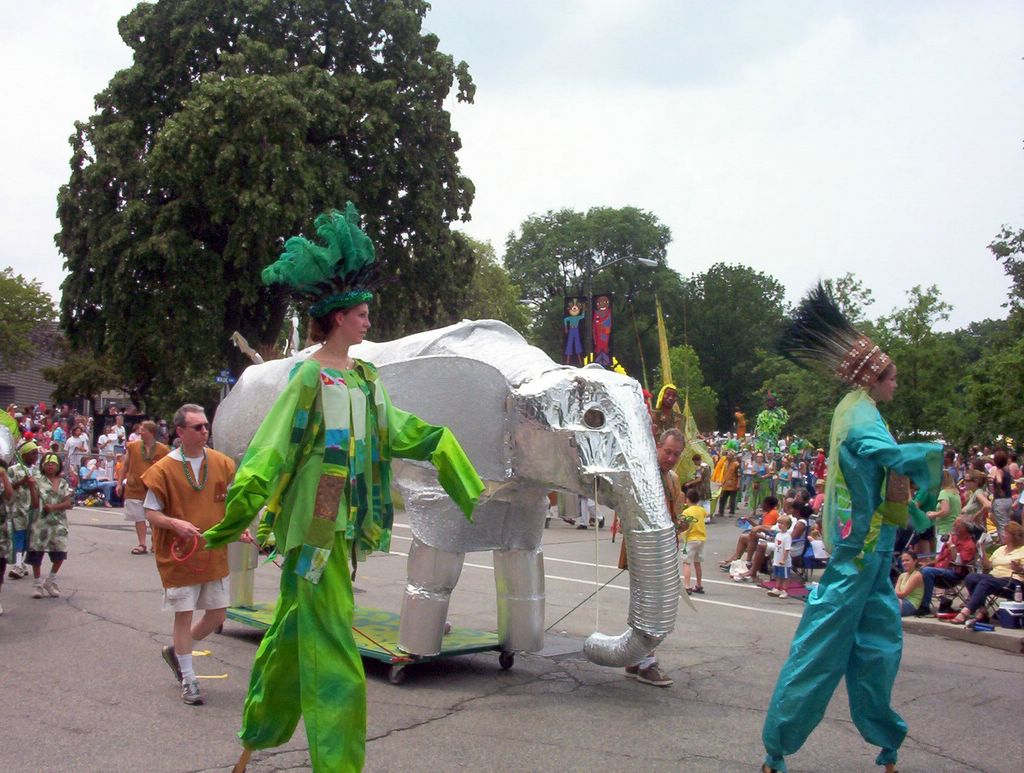
Yellow arch with boats and elephants

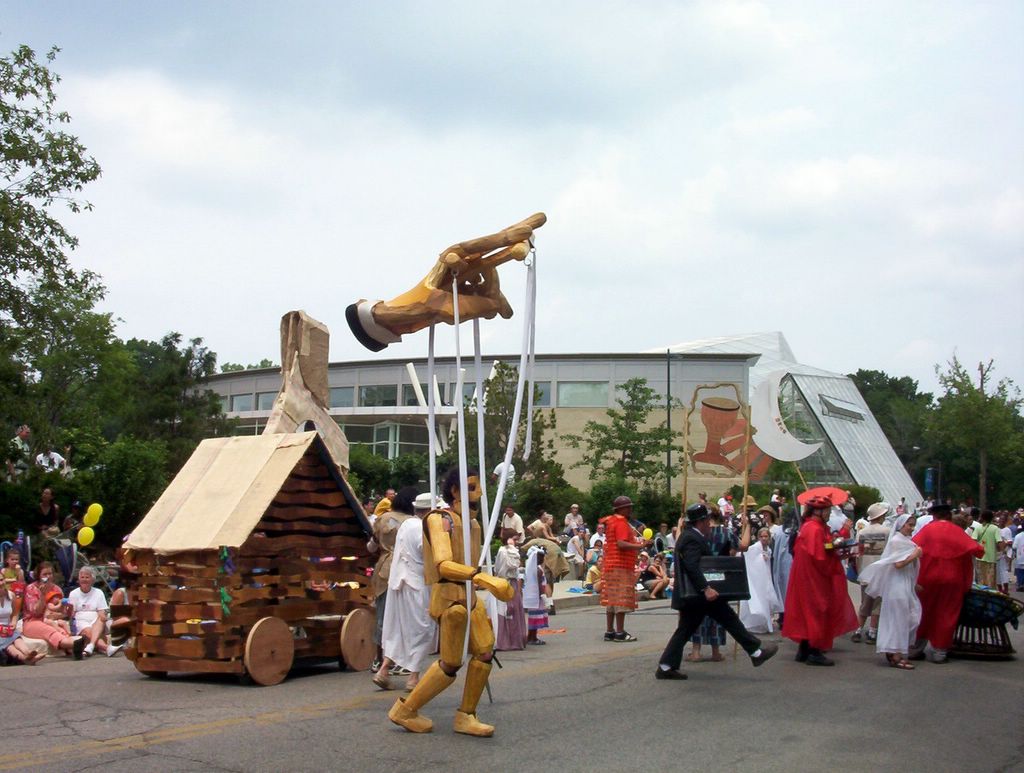

And what is this? I am not sure... Walking trees?
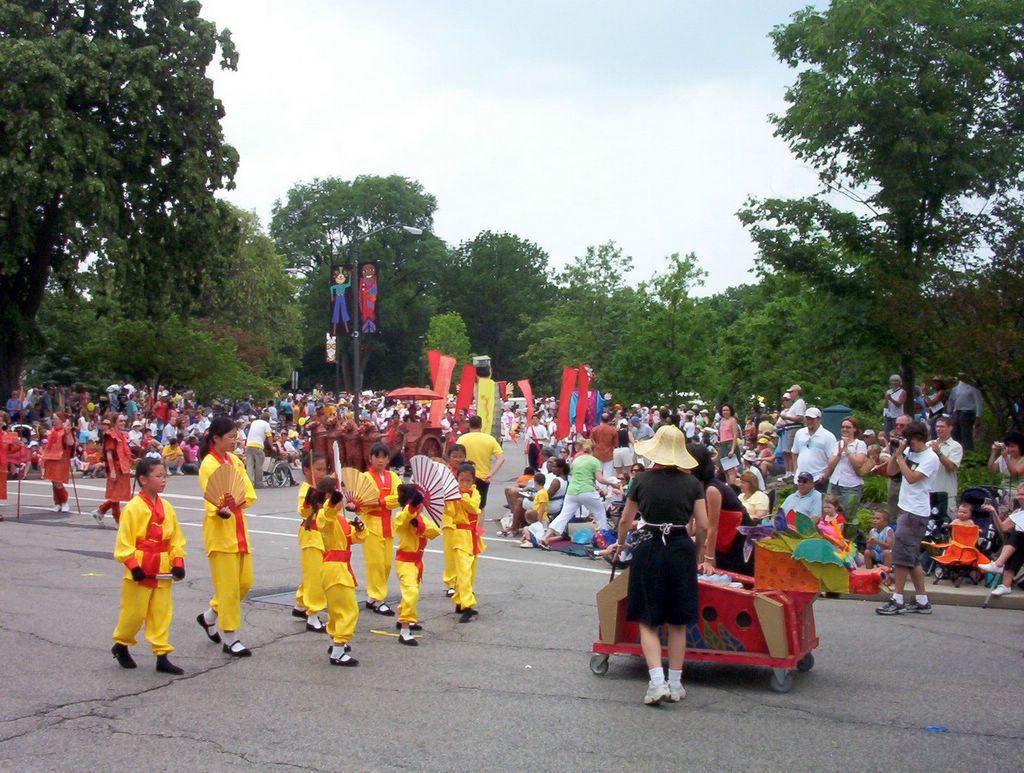

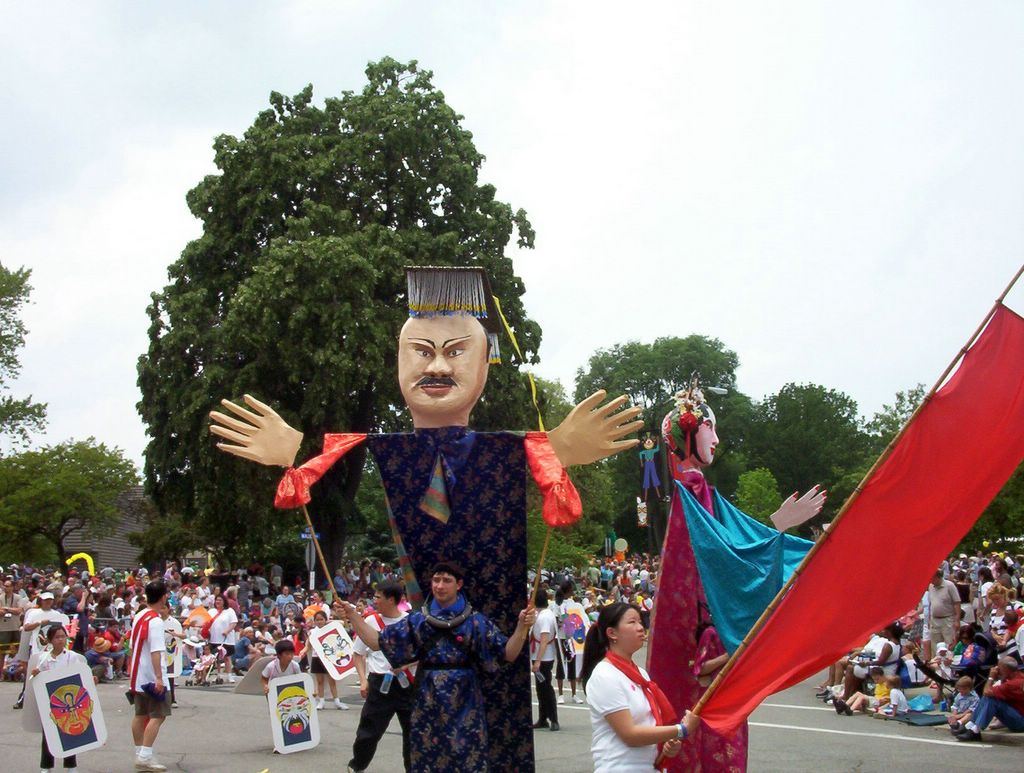
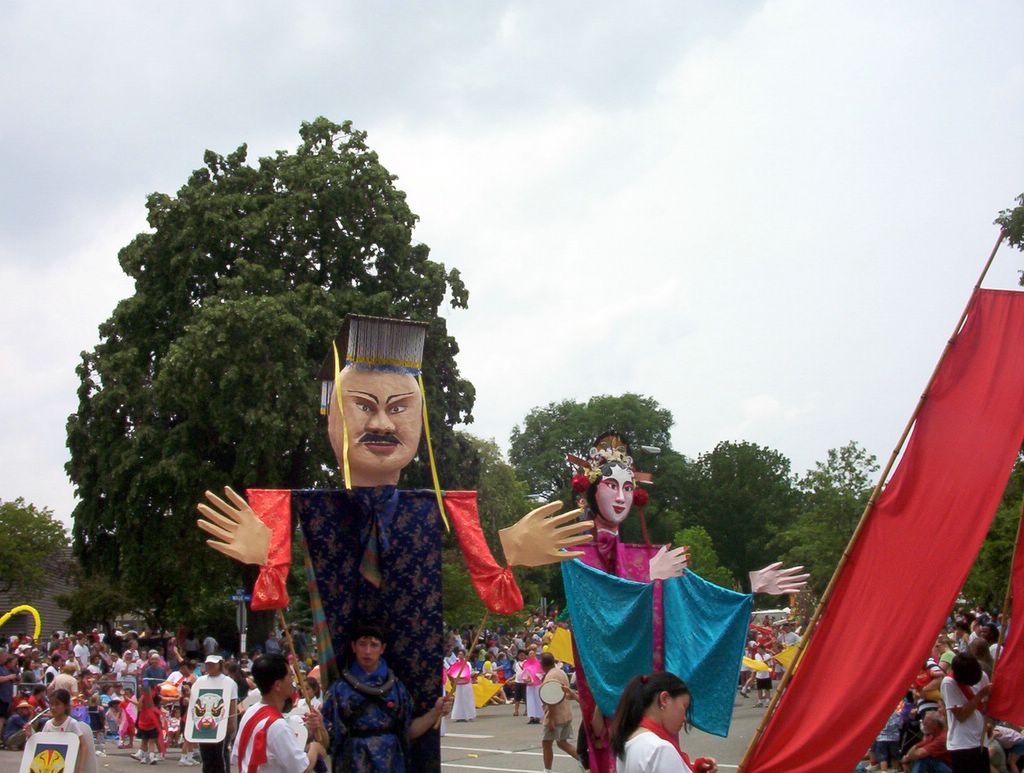
This is the Chinese procession.
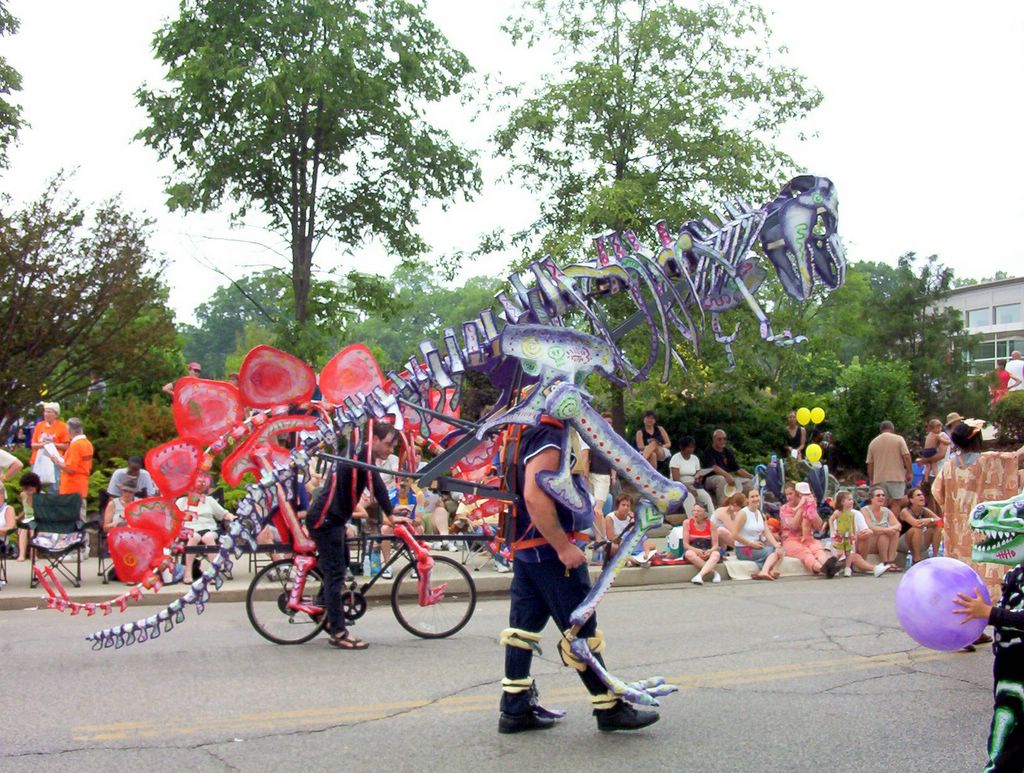
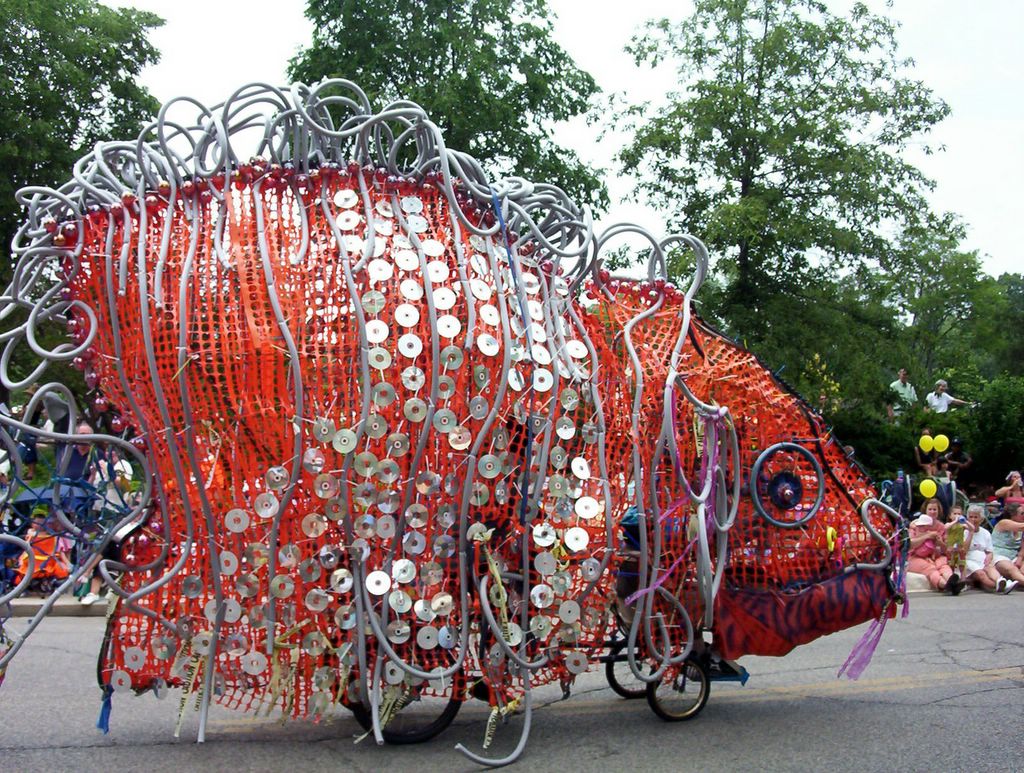
Dinosaurs are back! And some huge fish...

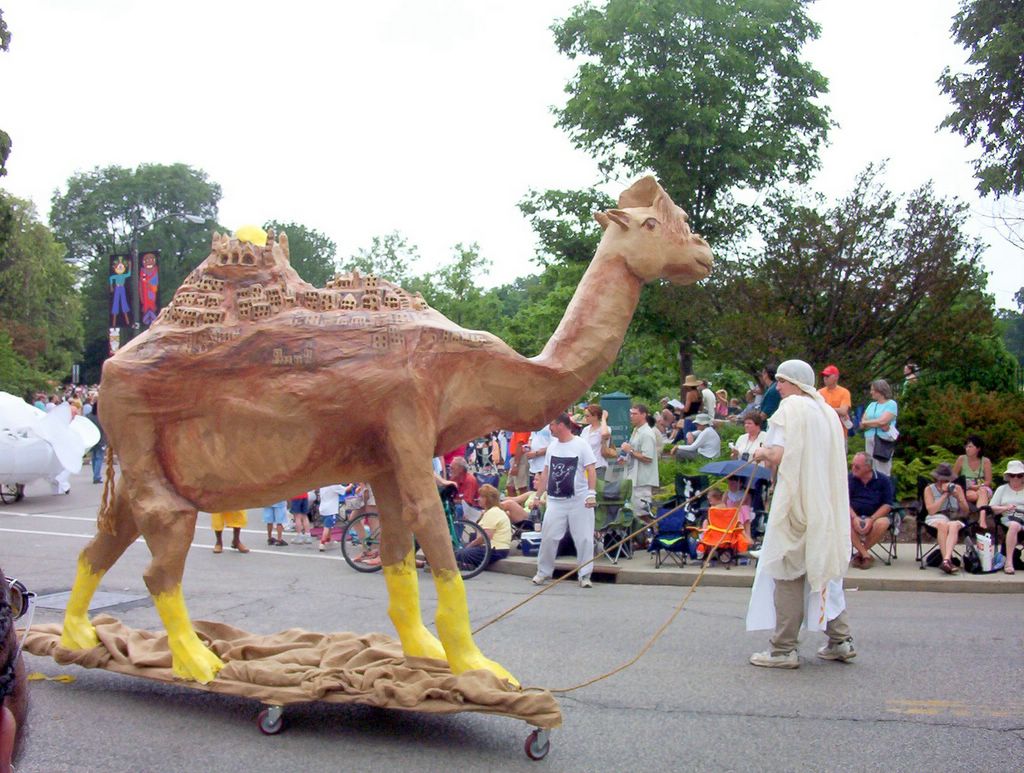
Camel-riding bedouins, and there is a camel carrying a whole city on her back.
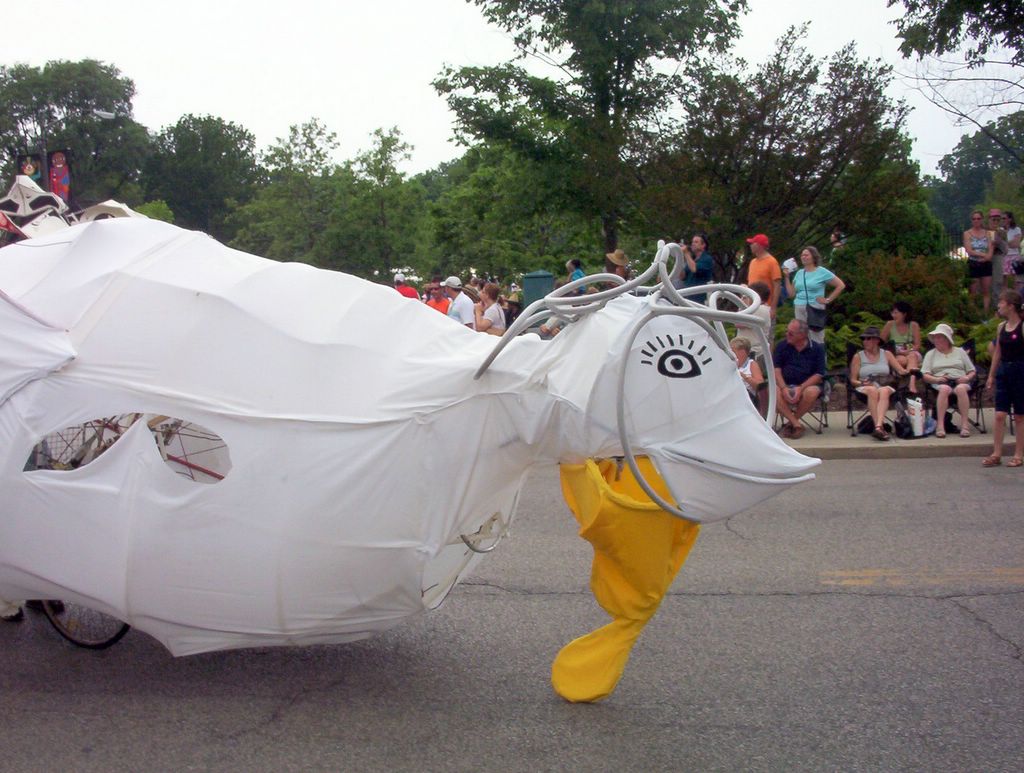
I am not sure what this creature is but it surely looks quite peaceful.

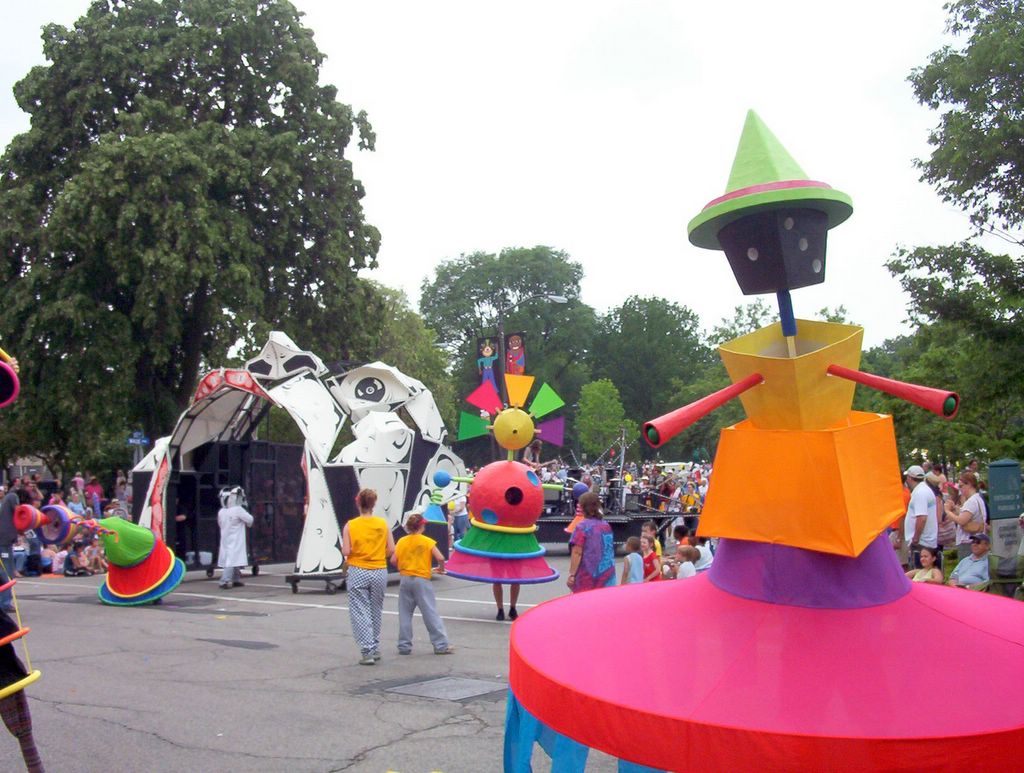

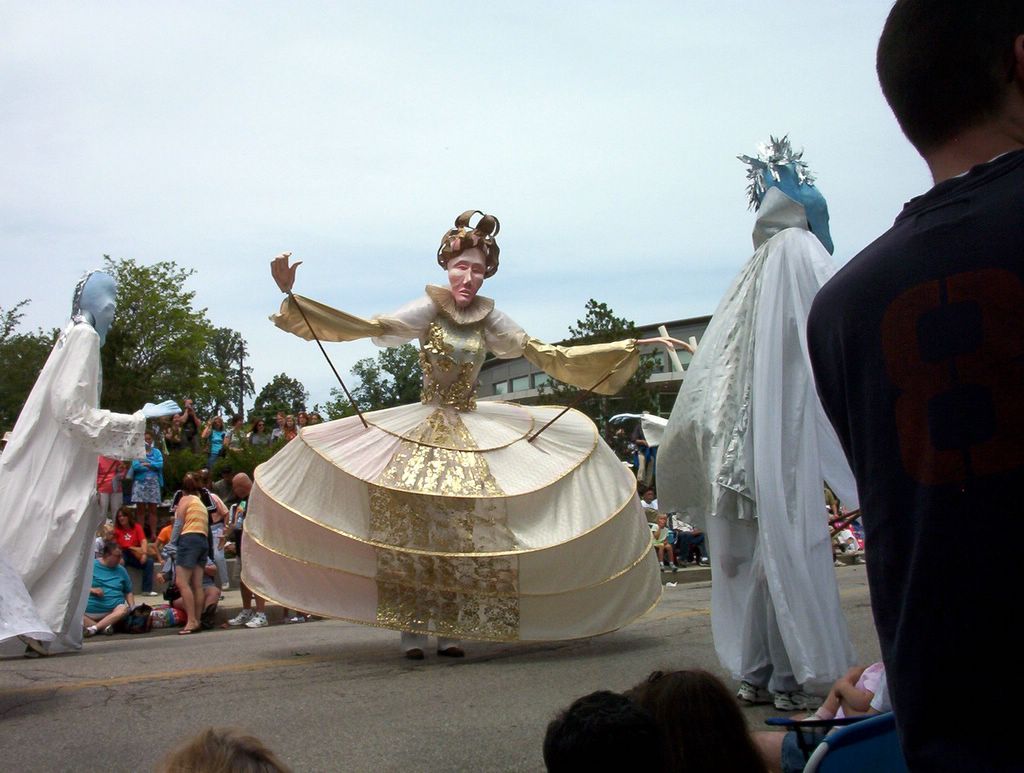

More parade participants.
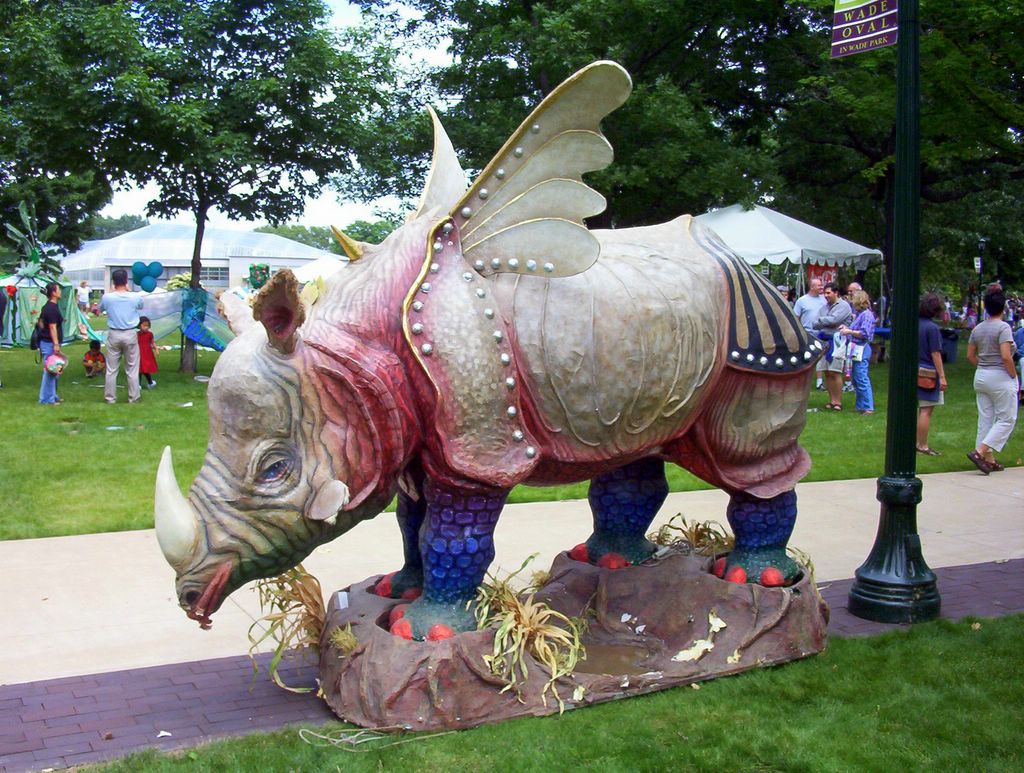
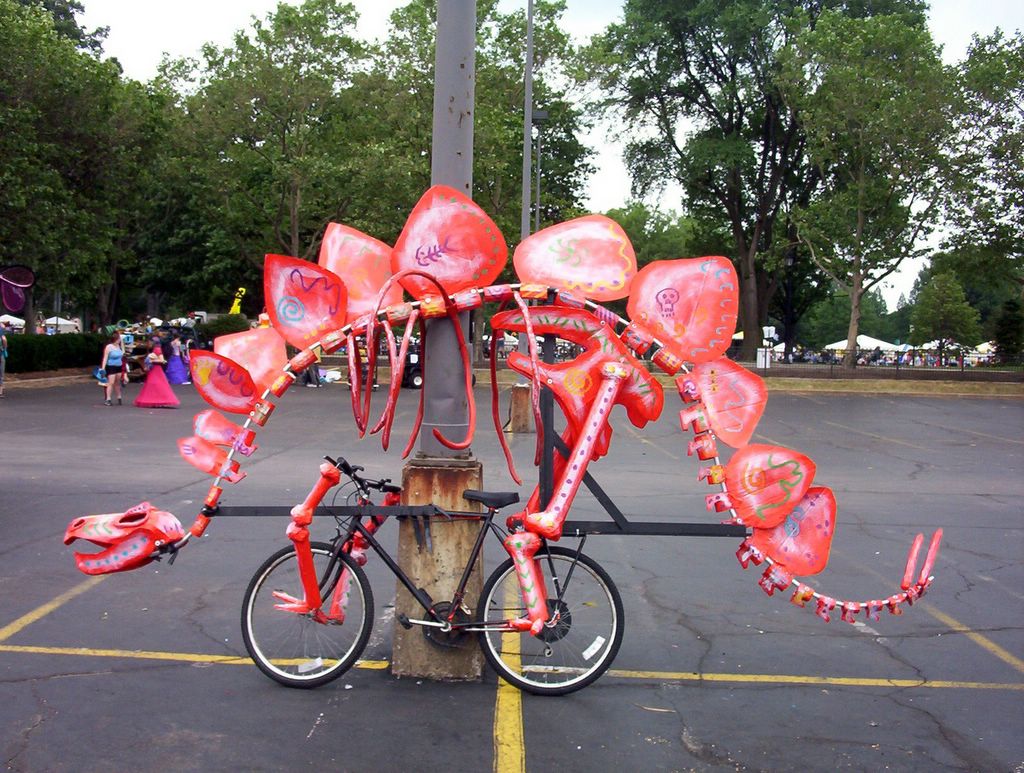
Magical creatures can be seen after the parade - like this rhinoceros with wings and the tired dinosaur taking a nap leaning on this lamp post.
Published: 06/14/2005
Updated: 06/12/2009
Subscribe to:
Posts (Atom)
