Showing posts with label Parks. Show all posts

Yellowstone: Battle for Life - BBC Documentary

Available for streaming from Netflix as of February 2010: Yellowstone: Battle for Life is a BBC nature documentary series.

Narrated by Peter Firth, the series takes a look at a year in the life of Yellowstone National Park, examining how its wildlife adapts to living in one of the harshest wildernesses on Earth. It has three episodes.

Yellowstone was commissioned by Roly Keating, then Controller of BBC Two, as a follow-up to the award-winning series Galápagos which aired in autumn 2006. Filming began in January 2007 and continued through the following four seasons).

Filming techniques previously used for both Galapagos and Planet Earth were again put to good use, including shooting with high definiton cameras and high-speed shooting to slow down fast action sequences.


View Larger Map

Episodes

1. "Winter"

With temperatures plunging to –40°C and several metres of snowfall, Yellowstone freezes solid for six months each year. In the extreme cold, moisture in the air freezes, creating diamond dust. The severe winter is the greatest challenge facing the Park's animals, but for the wolf, it is the season of opportunity. The film follows the Druid pack, one of the largest in Yellowstone, as they stalk ever-weakening prey.

On the open plateau, bison are built to endure the worst of the winter, bulldozing their way through deep snow to reach grass.

2. "Summer"

As the Sun gains strength, the Park begins to thaw and grazers move back up to higher altitudes. The hardy bison are amongst the first, their newborn calves struggling to cross rivers swollen by meltwater during the journey.

As summer returns, a new challenge emerges: Yellowstone begins to dry out. Cutthroat trout mass in shallow streams ready to spawn, but they make easy prey for otters and osprey.

Meanwhile, grizzly bears converge on the high mountain slopes as they seek out an unusual food source: army cutworm moths, which arrive in their millions from the prairies.

In Yellowstone People, we meet the 'geyser gazers', tourists drawn to Yellowstone's famous geysers.

3. "Autumn"

Autumn is Yellowstone's shortest season and a period of swift change. Conditions change from summer to winter in just two months, forcing animals to leave or prepare for winter.

Bison rely on stored fat to see them through, but elk and pronghorn head for lower ground. Their only natural enemy is the wolf, but beyond the Park boundaries they must contend with different hazards: hunting, heavy industry and traffic.

The wolf's return has restored the natural balance of Yellowstone: elk no longer graze along the river banks, leaving more willow saplings for beavers.

References:
Yellowstone (BBC TV series). Wikipedia, the free encyclopedia.

Related: It’s a Bear’s World in Kodiak, Alaska - NYTimes.com, 2011.

OPPD Arboretum - Omaha Public Power District

The OPPD arboretum is designed to create an outdoor education area and is located at 108th and Blondo streets close to an OPPD substation, and is open from dawn till dusk. OPPD stands for Omaha Public Power District.

Click here to see the album.

References:

OPPD Arboretum
The Secret Life of Trees - Photo Journal - WSJ  http://goo.gl/3fcZ4

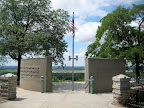
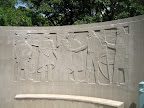
Lewis and Clark Monument and Scenic Overlook in Council Bluffs, Iowa


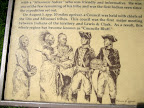
The monument, north of Big Lake Park, honors the expedition of Lewis & Clark in 1804 and their historic meeting with the Otoe and Missouria Indians.


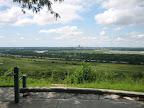
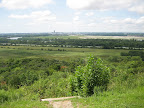
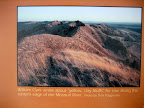
The expansive westward view of the Missouri River valley.


Bluffs and Councils, hence the name of the city, Council Bluffs.


View Larger Map

Published: 08/25/2009

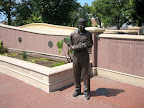
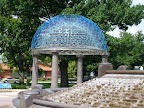
Bayliss Park in Council Bluffs, Iowa


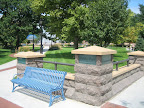
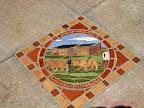
Bayliss Park.


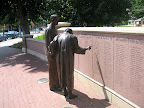
The East side engages Veterans Plaza.


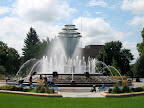
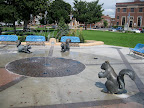
The Fountain. The sculpture is titled Well Spring, created by Brower Hatcher.


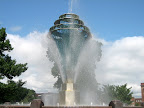
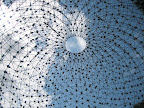
This canopy, titled Oculus, was also created by Brower Hatcher.


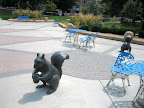
These six black squirrels were created by Brower Hatcher as well.


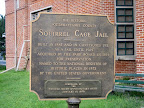
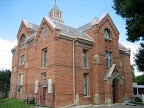
Old jail.


Train museum.


View Larger Map

Published: 08/22/2009

Maxwell Arboretum in Lincoln, Nebraska


Click here for full-size images.

Maxwell Arboretum has 2 locations (the pictures above are from the East Campus):

- East Campus Gardens, 30th and Center Drive just west of the Dental College. The East Campus Gardens include the Maxwell Arboretum (5 acres of five acres displaying 420 varieties of native and exotic species of plants with special collections of hosta and lilacs), the Fleming Slope (perennials), the Magdaline Pfister Appreciation Iris Garden, the Old Mall (trees and shrubs), and The Porch and Old Rose Garden, and the Yeutter Garden (shrubs, perennials and rock plantings).


View Larger Map

- City Campus Gardens, 13th & R Street. The City Campus Gardens include the Andrews and Burnett Gardens (perennials), the Cather Garden (native wildflowers, grasses, trees and shrubs), the Donaldson Garden (exotic trees, conifers and oaks), the Love Garden (trees, shrubs, and perennials at the campus entrance), and the Sheldon Garden (contemporary sculpture against a backdrop of mature trees, water gardens and native plant displays).

From Wikipedia:

The Earl G. Maxwell Arboretum (2 hectares/5 acres) is an arboretum and botanical garden located on the East Campus of the University of Nebraska-Lincoln in Lincoln, Nebraska.

The arboretum began more than 50 years ago when Earl G. Maxwell began to plant trees on the campus. It was subsequently dedicated as the second site of the Nebraska Statewide Arboretum.

Mature oaks include specimens of black, bur, English, pin, sawtooth, shingle, shumard, and swamp white varieties. Other trees include blue ash, chestnut, pawpaw, sweetgum, Black Tupelo, and Scots Pine. Additional plants include lilacs, cold-hardy rhododendrons, and viburnums, as well as over 80 hosta cultivars, and a 1-acre (4,000 m2) prairie with native wildflowers and bluestem and Indian grass.

Related:

Arboretums in Lincoln, Nebraska
Nebraska Statewide Arboretum, from Wikipedia, the free encyclopedia.
Nebraska Gardens. ILoveGardens.com.
The Secret Life of Trees - Photo Journal - WSJ  http://goo.gl/3fcZ4

DeSoto National Wildlife Refuge in Nebraska


View Larger Map

DeSoto National Wildlife Refuge, created in 1958, is located along the banks of the Missouri River in the U.S. states of Iowa and Nebraska. The 8,362-acre (33.83 km²) refuge (46% in Iowa, 54% in Nebraska) preserves an area that would had been otherwise lost to cultivation.

DeSoto National Wildlife Refuge is located 5 miles (8 km) east of Blair, Nebraska. Access to the refuge is on U.S. Route 30 between Blair and Interstate 29.


Flickr slideshow.

References:
DeSoto National Wildlife Refuge, from Wikipedia, the free encyclopedia.
DeSoto National Wildlife Refuge Web Site

Boyer Chute National Wildlife Refuge in Nebraska


View Larger Map
Boyer Chute National Wildlife Refuge in Nebraska

Boyer Chute National Wildlife Refuge was established to recover fish and wildlife habitat in and along the Missouri River.

Boyer Chute is once again a functioning part of the river. Close to 3,350 acres of floodplain woodland, tallgrass prairie, and wetland habitats now benefit Missouri River fishes, migratory birds, endangered species, and resident wildlife.


Flickr slideshow.

Boyer Chute NWR is located on the west side of the Missouri River, 3 miles east of the town of Fort Calhoun, Nebraska, and 15 miles north of Omaha. From Omaha or Blair, follow Highway 75 to the southernmost street (Madison Street) within the Fort Calhoun city limits. Watch for the Boyer Chute NWR sign. Turn east and proceed to the stop sign at the "T" intersection. Turn right onto County Road 34 and proceed approximately 3 miles to the Refuge main gate.

References:
Boyer Chute National Wildlife Refuge. U.S. Fish and Wildlife Service.
Boyer Chute National Wildlife Refuge, from Wikipedia, the free encyclopedia.
Address: 3720 Rivers Way, Ft. Calhoun, NE 68023, Phone Number: 402-468-4313.

Lake Manawa State Park in Council Bluffs, Iowa


View Larger Map

The park's 1,529 acres encompass a 772-acre lake. Lake Manawa was formed during a flood in 1881 when a portion of the river channel was cut off by the meandering of the Missouri River. Over the years, the resulting "oxbow" lake, became an outdoor recreation center for visitors. "Manawa" is a Native American term meaning "peace and comfort."

Lake Manawa is the main boating spot in the Omaha/Council Bluffs area. Boat motors of any size may be operated on the lake. It is also a favorite spot for anglers. Good catches of crappies, bluegills, catfish, bass and walleye are expected.

Lake Manawa is a good place for swimmers and sunbathers although some recent visitor reviews were not that great.

Lake Manawa State Park is located 2 1/2 miles south of Interstate 80 (Exit 3) at Council Bluffs, Iowa. It is located 2 1/2 miles west of Interstate 29 (Exit 47).

Places to visit in the park:
- beach
- Dream Playground wooden castle
- Kaplin monument


Photos on Flickr.

References:
Lake Manawa State Park. Iowa Department of Natural Resources.
Canvas can do miracles: Sailboaters offer free taste of liberty. Omaha Herald, 07/2007.
Lake Manawa Sailing Association
StateParks.com: Iowa.
Lake Manawa Beach: Traveler Reviews
Contact Information: 1100 South Shore Drive, Council Bluffs, IA 51501, ph. 712/366-0220, fax 712/366-0474.
Map of the park (PDF).
Lake Manawa is on Iowa’s impaired waters list, 2010.

Updated: 04/21/2010

Chalco Hills Recreation Area and Wehrspann (Walnut Creek) Lake


View Larger Map

Chalco Hills Recreation Area is located in Sarpy County, Nebraska, approximately 12 miles (19.2 km) west of downtown Omaha. Chalco Hills consists of 940 acres (3.8 km2) of which 246 acres (1.00 km2) is covered by Wehrspann Lake, an artificial reservoir.

The area on the other side of the lake is called Walnut Creek Recreation Area.


Walnut Creek Lake and Recreation Area in Omaha, Nebraska

Seven miles (11 km) miles of walking trails encircle Wehrspann Lake.

References:
Chalco Hills Recreation Area, from Wikipedia, the free encyclopedia
Omaha Trails at OmahaTrails.com
Trails in Omaha, from Wikipedia, the free encyclopedia
Parks in Omaha, Nebraska, from Wikipedia, the free encyclopedia

Freedom Park Navy Museum‎ in Omaha, Nebraska

Freedom Park is an outdoor park and museum on the bank of the Missouri River in East Omaha, Nebraska at the Greater Omaha Marina at 2000 North 25th Street.

Freedom Park serves as an United States Naval Museum on the Missouri River and is the home of:
- USS Marlin SST-2 Submarine
- USS Hazard AM-240 Minesweeper
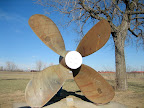
- Anchor & Propeller Garden
- Shipboard Rocket Launchers
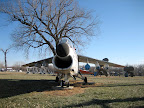
- Douglas A-4D Skyhawk Jet Fighter


Freedom Park Navy Museum. Click here to see the pictures.


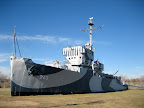
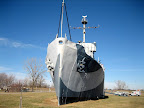
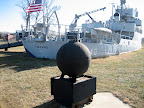
The USS Hazard. From Wikipedia: US Hazard (AM-240) was a Admirable class minesweeper which served in the United States Navy during World War II. Hazard was launched on 1 October 1944 and was commissioned on 30 December 1944. The Hazard was fitted for both wire and acoustic sweeping and could double as an anti-submarine warfare platform. Hazard is a National Historic Landmark, the only Admirable class minesweeper left in the United States.


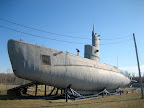
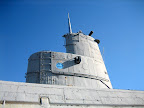
The USS Marlin at Freedom Park. From Wikipedia: USS Marlin (SST-2), a T-1-class submarine, was the second submarine of the United States Navy to be named for the marlin, a large game fish. She was originally known as T-2. After shakedown in the Massachusetts Bay area, T-2, one of the smallest operational submarines ever built for the Navy, got underway from New London, Connecticut, in late January 1954 for her home port of Key West, Florida. Assigned to Submarine Squadron 12, Submarine Force, Atlantic Fleet, she immediately began operations in the sector from southern Florida to Guantanamo Bay, Cuba. For a decade and a half she performed valuable service as a target and training ship and has helped to evaluate submarine and antisubmarine equipment and tactics. From 1963 she performed mainly target duty for both surface and air antisubmarine units out of Key West. Marlin and her sister Mackerel (SST-1) were decommissioned on 31 January 1973, in a dual ceremony at the Naval Station, Key West, Florida.


A-4 Skyhawk. The Douglas A-4 Skyhawk is a carrier-capable ground-attack aircraft designed for the United States Navy and U.S. Marine Corps.


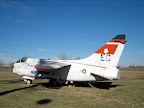
A-7 Corsair II. The Ling-Temco-Vought A-7 Corsair II is a carrier-based subsonic light attack aircraft introduced to replace the United States Navy's A-4 Skyhawk, initially entering service during the Vietnam War.


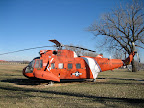
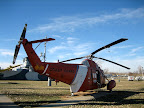
HH-52A Seaguard, Sikorsky S-62. The Sikorsky S-62 was a single turbine engine, single rotor amphibious helicopter. It was used by the United States Coast Guard as the HH-52A Seaguard primarily for search and rescue.


Anchor & Propeller Garden


Shipboard Rocket Launchers


View Larger Map

References:
Freedom Park, City of Omaha Official Web Site.
Freedom Park (Omaha), from Wikipedia, the free encyclopedia
Zorinsky Lake Park. City of Omaha's Official Web Site.
Omaha Trails at OmahaTrails.com
Trails in Omaha, from Wikipedia, the free encyclopedia
Parks in Omaha, Nebraska, from Wikipedia, the free encyclopedia
Chalco Hills Recreation Area, from Wikipedia, the free encyclopedia

Published: 11/04/2008
Updated: 12/21/2008

Parks in Omaha, Nebraska

Heartland of America Park

Freedom Park Navy Museum‎

Zorinsky Lake Park

References:
Omaha Trails at OmahaTrails.com
Trails in Omaha, from Wikipedia, the free encyclopedia
Parks in Omaha, Nebraska, from Wikipedia, the free encyclopedia
Chalco Hills Recreation Area, from Wikipedia, the free encyclopedia

Zorinsky Lake Park in Omaha, Nebraska


Zorinsky Lake Park in Omaha, Nebraska

Zorinsky Lake Park, located at 156th and “F” street (1000 acres), is one of Omaha’s most popular lakes. It provides fishing and boating while being surrounded by playgrounds, path, trails, picnic areas, shelters, and open spaces. There are five baseball fields, football field and three soccer fields.


View Larger Map

The lake and park are named after Edward Zorinsky (November 11, 1928 - March 6, 1987, Democratic Senator (from 1976 until his death in 1987) from Nebraska.


From Wikipedia:

"A lifelong resident of Omaha, Zorinsky attended Creighton University and the University of Nebraska. He was in the wholesale tobacco and candy business from 1950 to 1973 before being elected Mayor of Omaha in 1973.

Zorinsky had been a Republican for most of his life, but joined the Democratic Party in 1976 to pursue the open United States Senate seat. Zorinsky felt he was snubbed by the Republicans, who nominated U.S. Representative John Y. McCollister, also from Omaha. In a mild surprise, he subsequently won the election by a 53% to 47% margin. He was the first Senator from Nebraska to caucus with the Democrats since George W. Norris left the Senate in 1943, as well as the first Democrat elected from the state since Edward R. Burke in 1935.

As a Senator, Zorinsky was a moderate to conservative Democrat, voting with Republicans on some significant issues. He was courted by the Republicans to rejoin their party in 1982. He hinted that he might indeed change parties in 1986, but ultimately never made the switch.

Zorinsky died after suffering a heart attack at the 1987 Omaha Press Club ball."


References:
Zorinsky Lake Park. City of Omaha's Official Web Site.
Edward Zorinsky, from Wikipedia, the free encyclopedia.
Omaha Trails at OmahaTrails.com
Trails in Omaha, from Wikipedia, the free encyclopedia
Parks in Omaha, Nebraska, from Wikipedia, the free encyclopedia
Chalco Hills Recreation Area, from Wikipedia, the free encyclopedia

Rockefeller Park Greenhouse in Cleveland

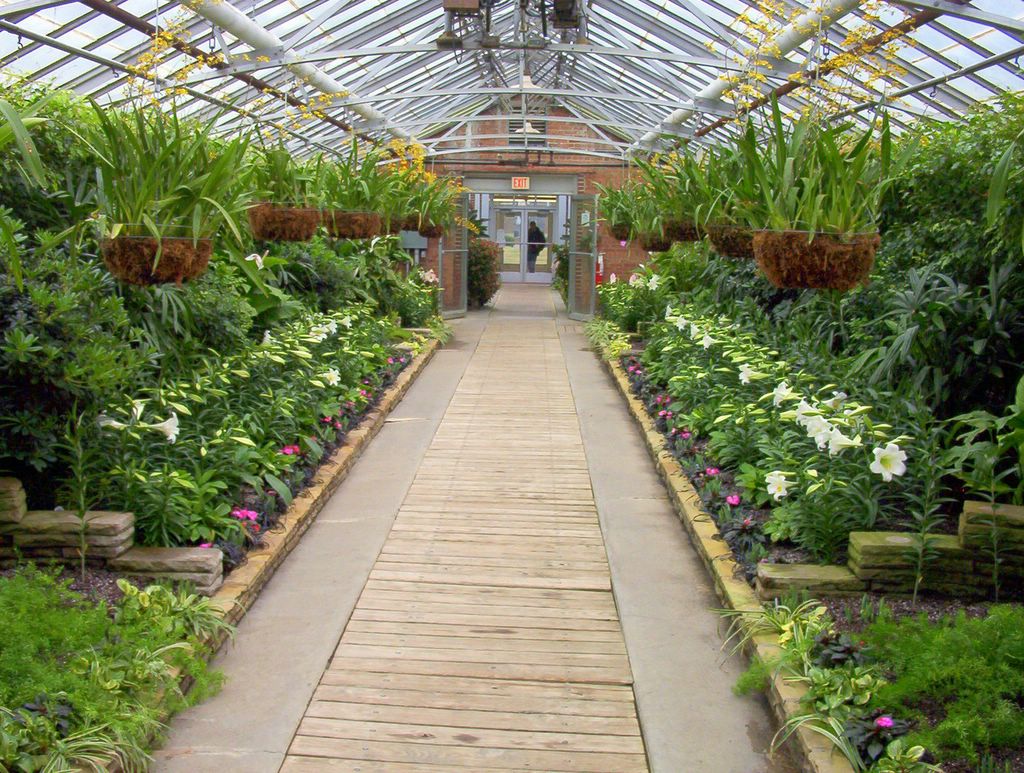
The Rockefeller Greenhouse is a hidden gem in the heart of the city (see the map). The greenhouse was part of John D. Rockefeller's estate, and it is now owned by the city of Cleveland and is free to the public. Cleveland Cultural Gardens are just down the road from the greenhouse. Rockefeller's final resting place is in the nearby Garfield cemetery.

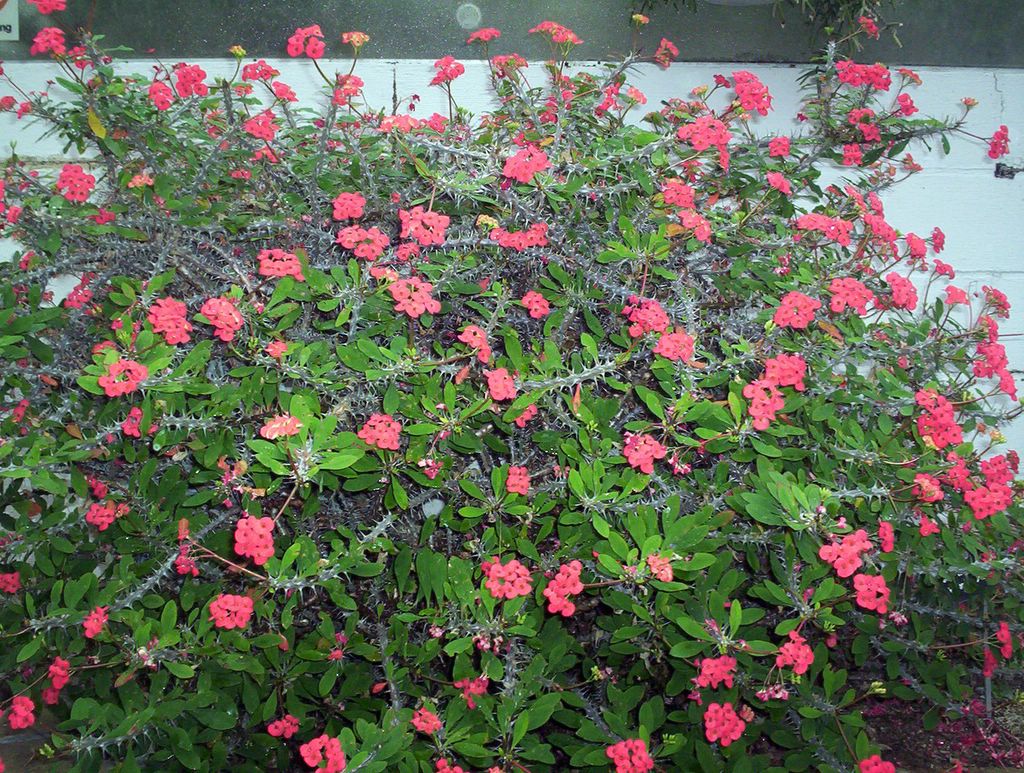
The Greenhouse can rival a true botanical garden and is the perfect place to relax and enjoy plants and flowers all year round. Indoor gardens include Water Garden with tropical plants, fruits and seasonal flowers, Cactus House, Fern Room and several more. Outdoor gardens include Japanese and Peach gardens, and the Talking Garden for the Blind.

Tropical Showhouse


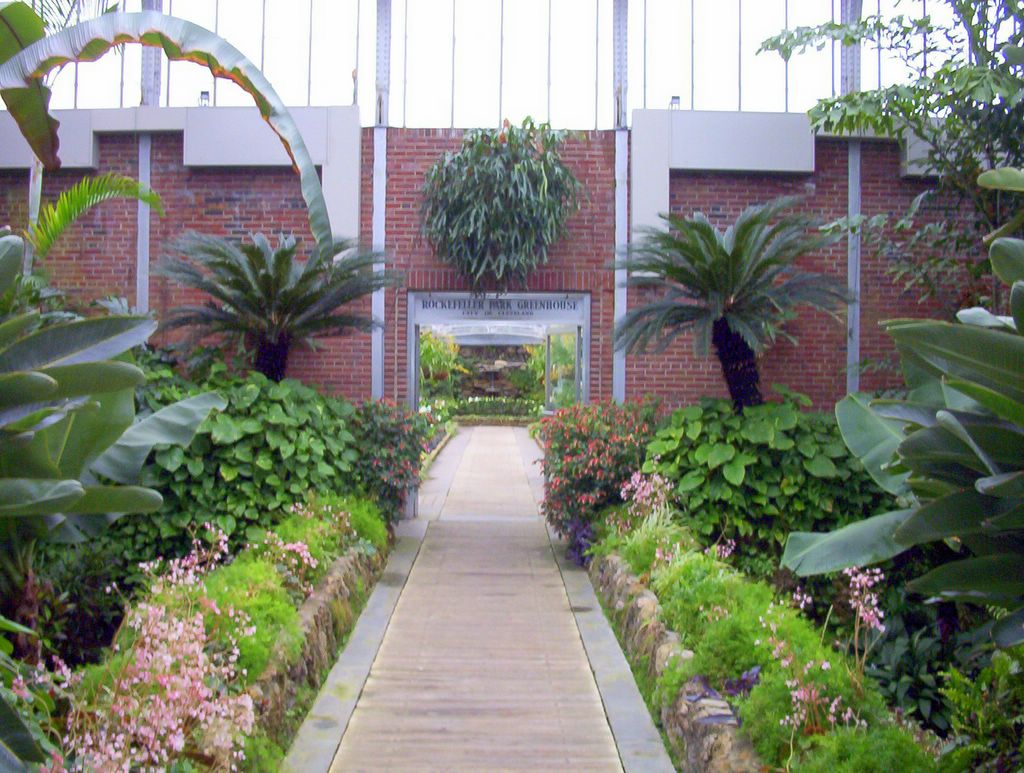
The entrance to Rockefeller Park Greenhouse


Tropical Showhouse is a a water garden with tropical fruit. You can see banana trees with green fruit and a purple bloom.


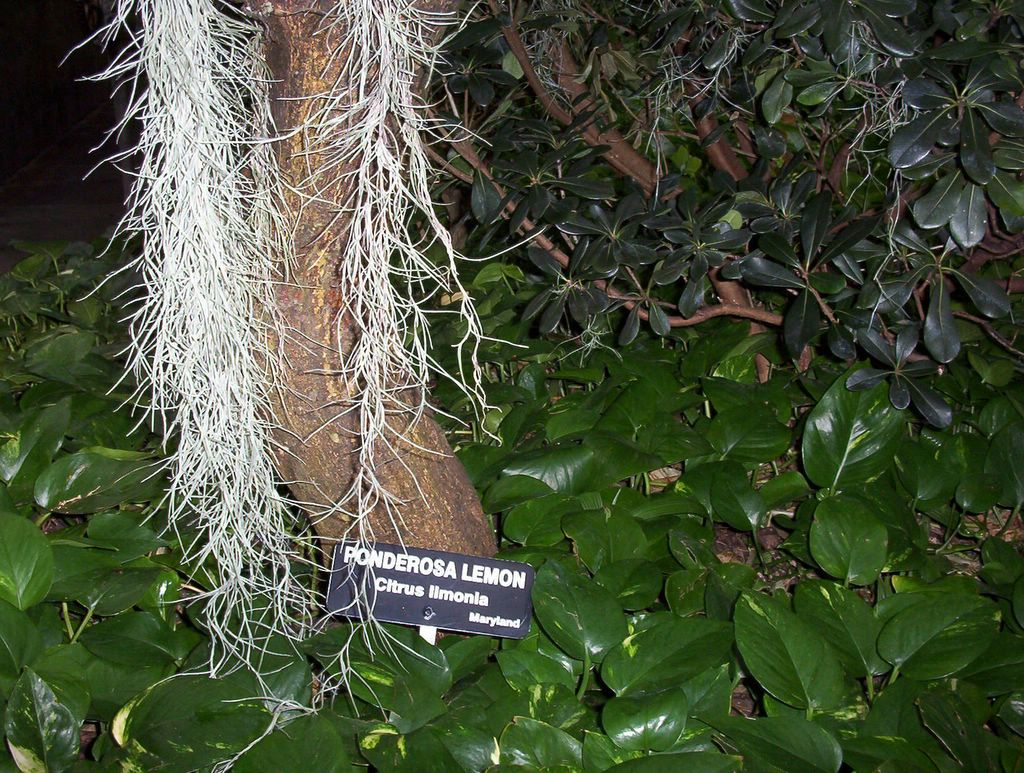
A ponderosa (bearded) lemon with a long white beard. Keep on walking and you will see a bearded cactus too.


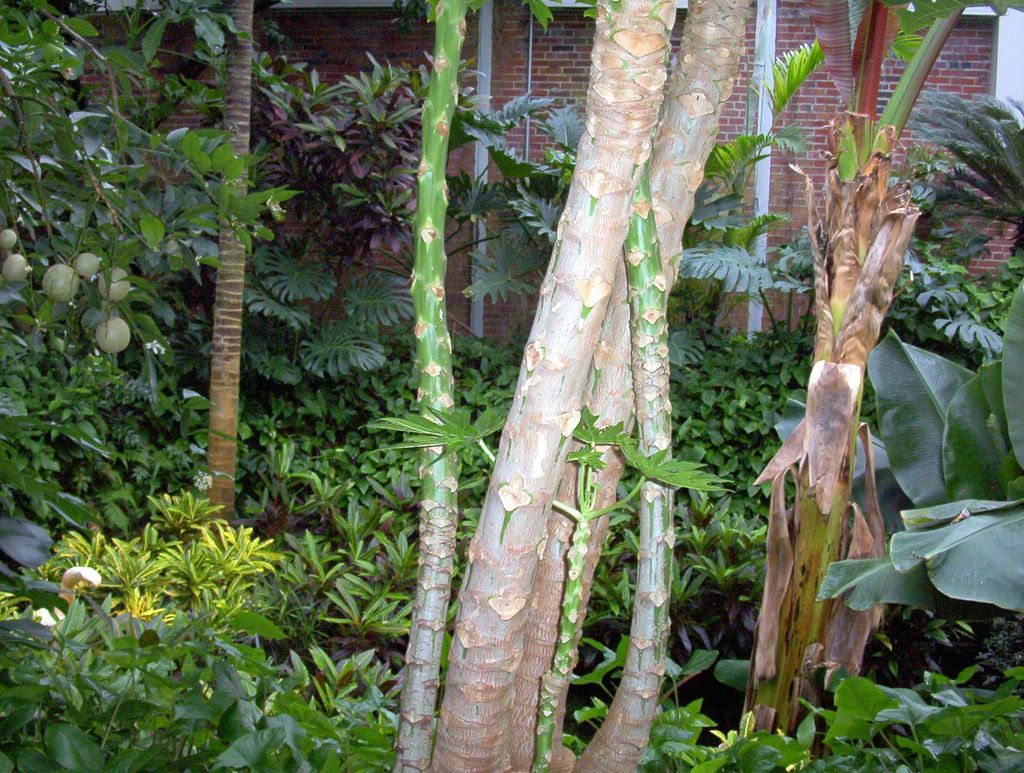
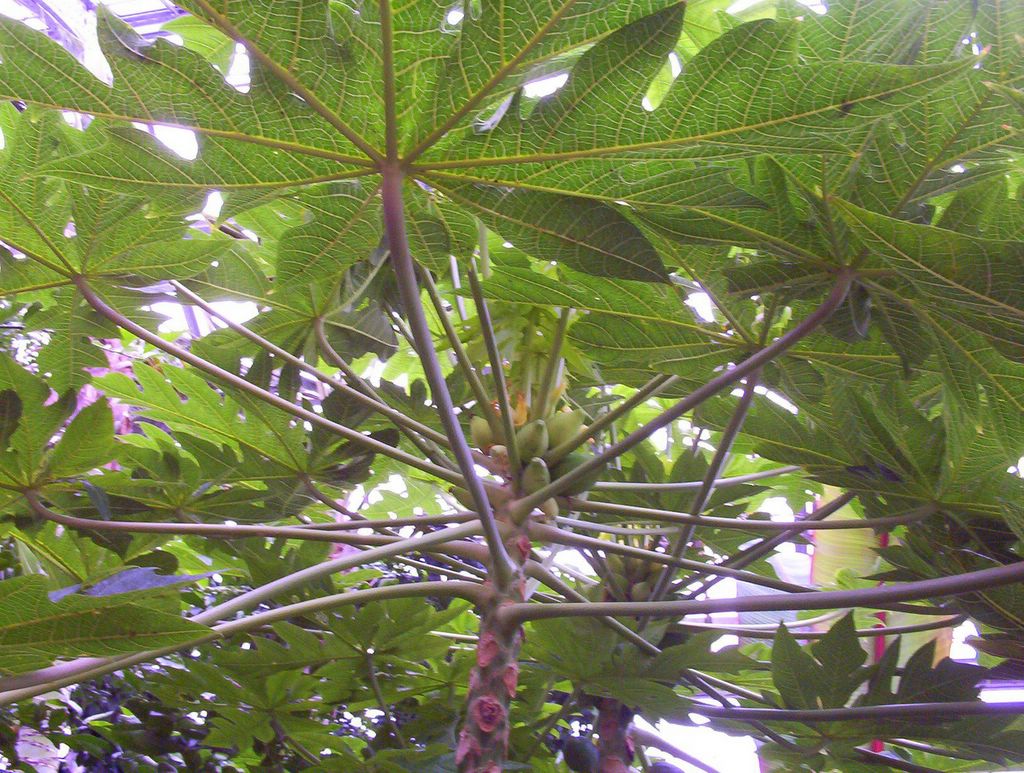
Papaya; Shell ginger


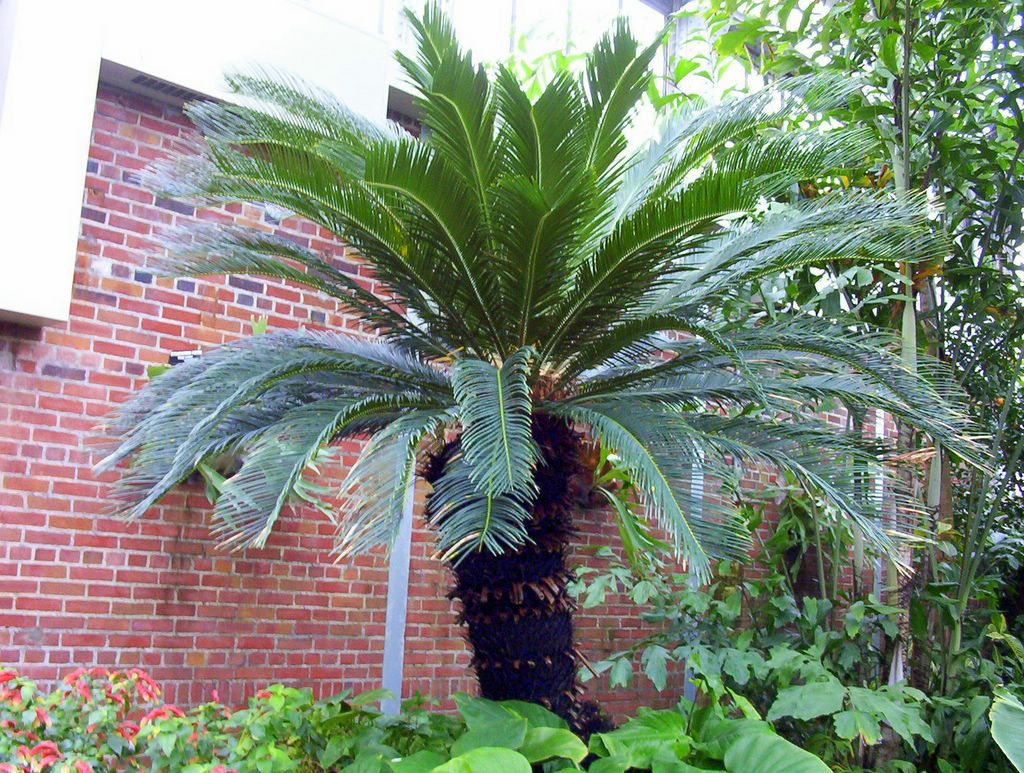
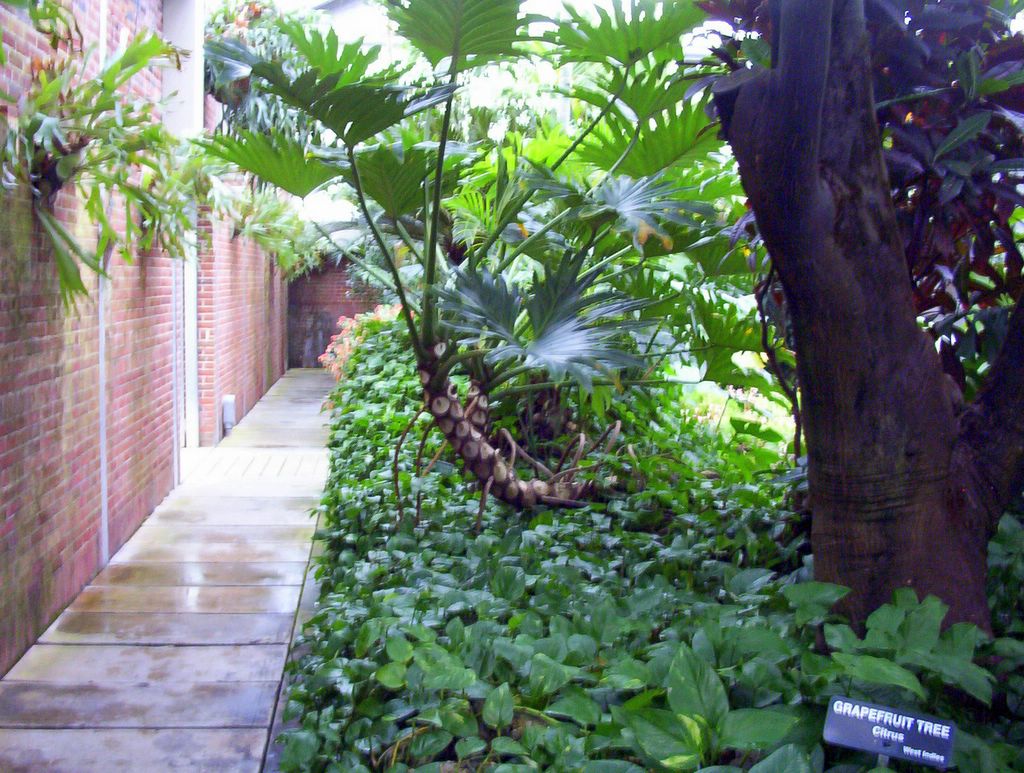
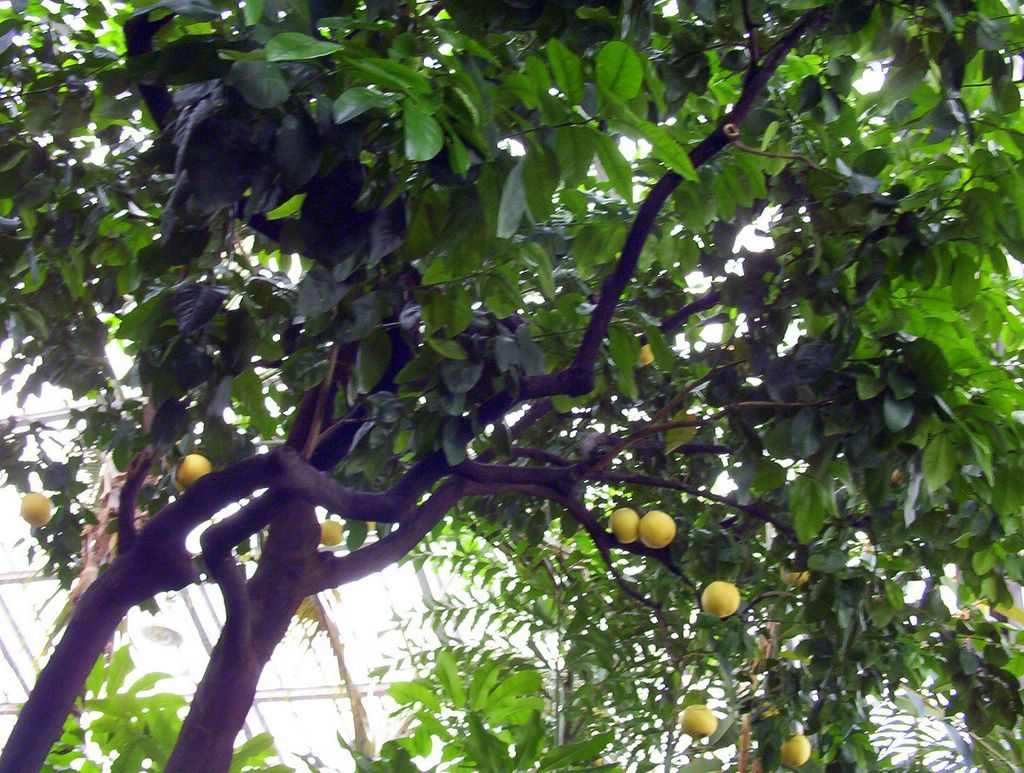
Sago palm and a Grapefruit tree

Blue Water Basin


Flowers in the water basin room


A vase plant -- it looks like a real vase with water inside.


A plant growing through its shell

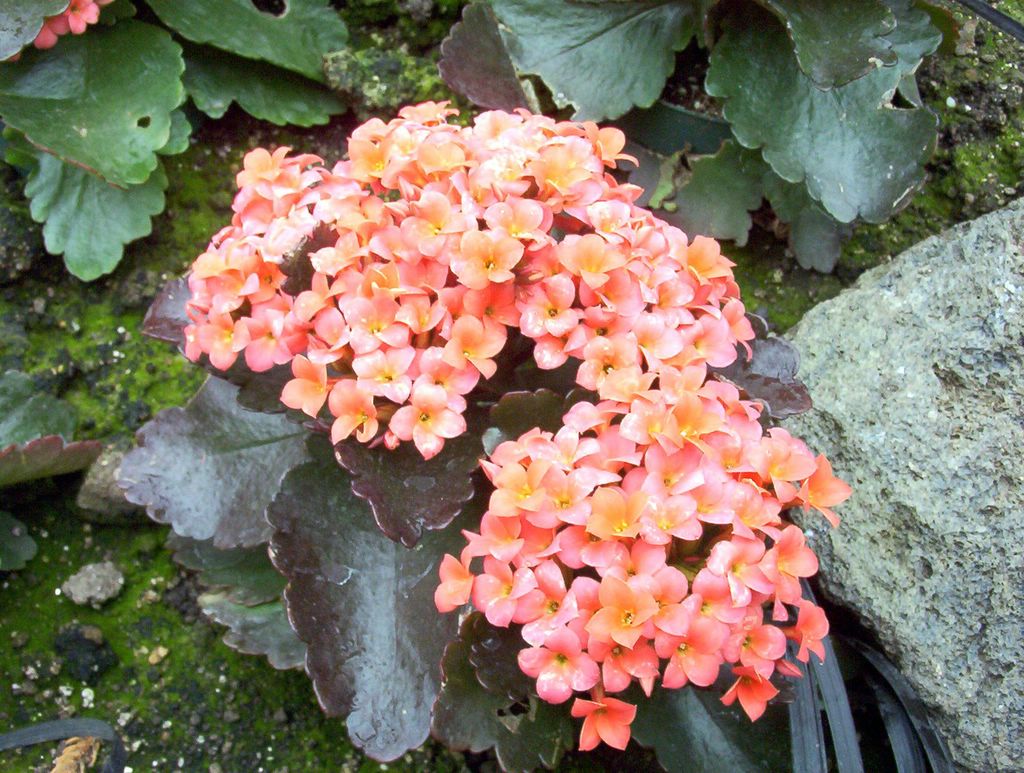
Red and Yellow Flowers in the Theme Showhouse


Flowers room


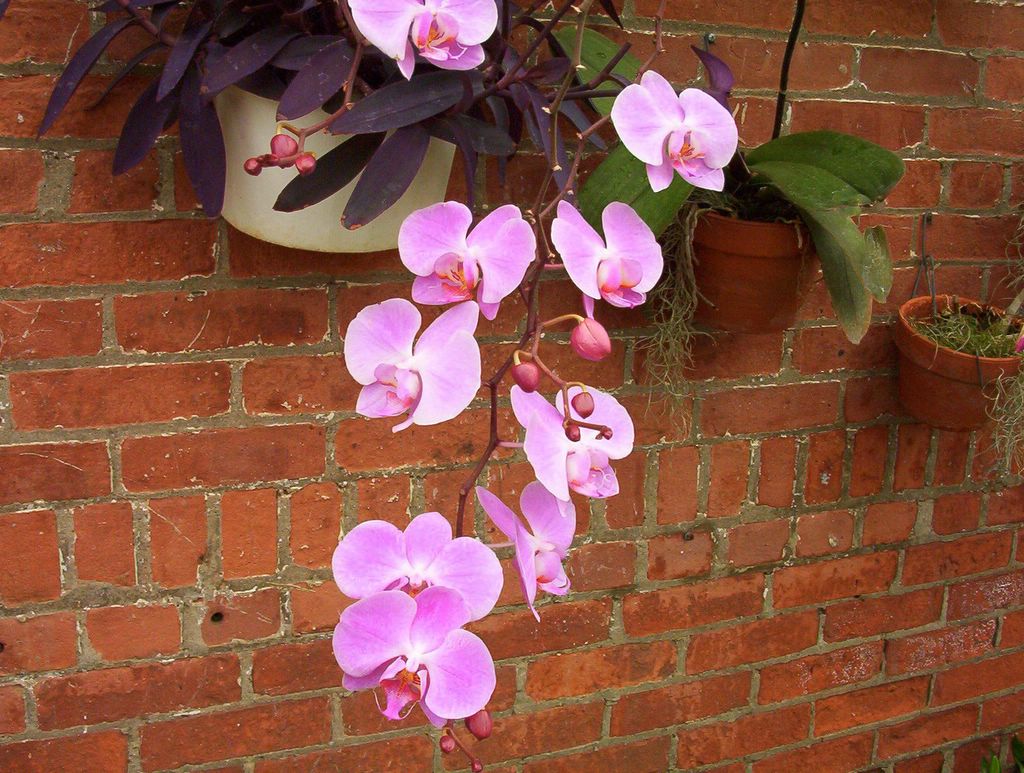
Orchid and other flowers. Read more in Reigning Trowel in a Kingdom of Orchids. NYTimes, 02/2008.

Cacti Showhouse


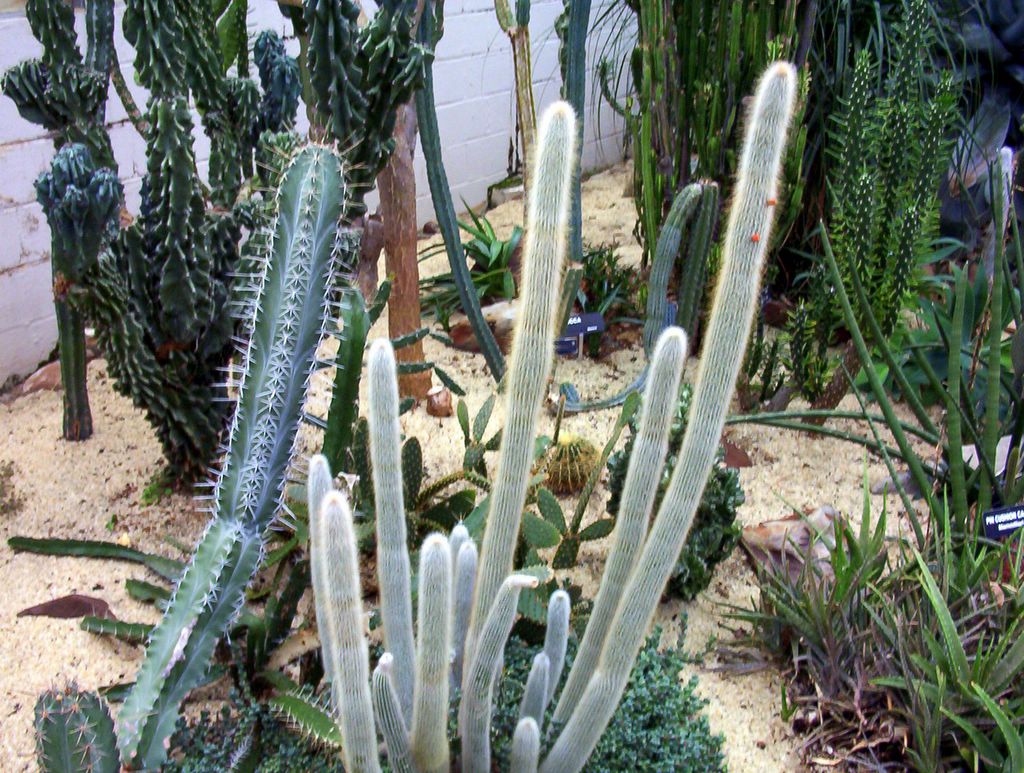
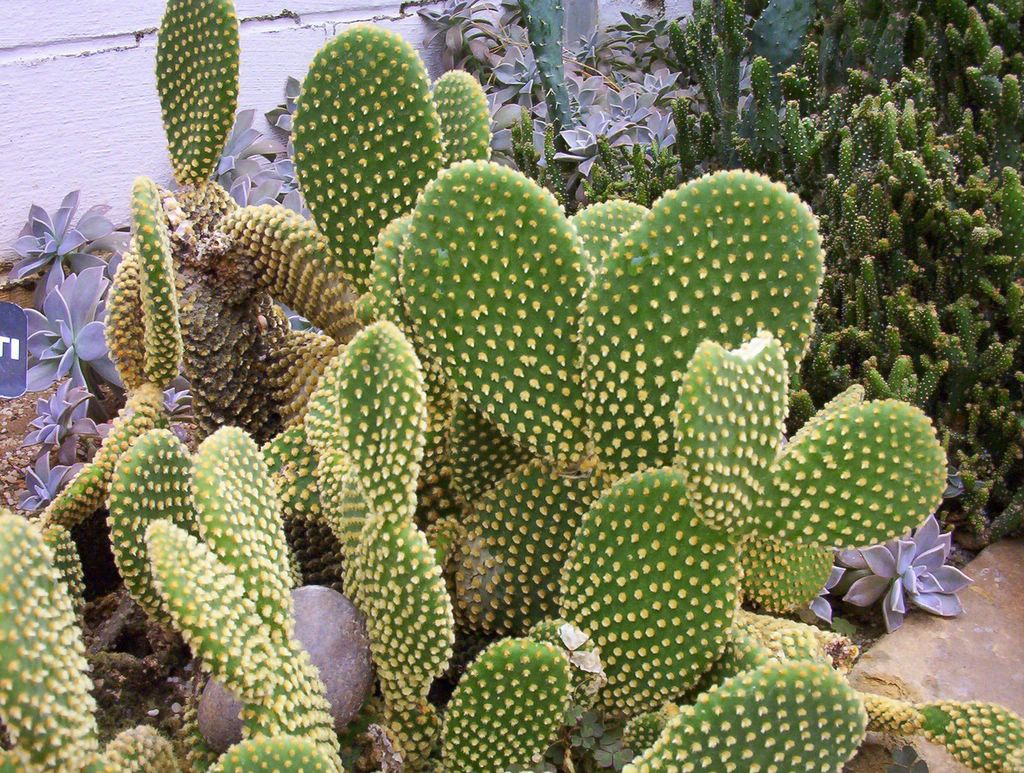
Cactus garden


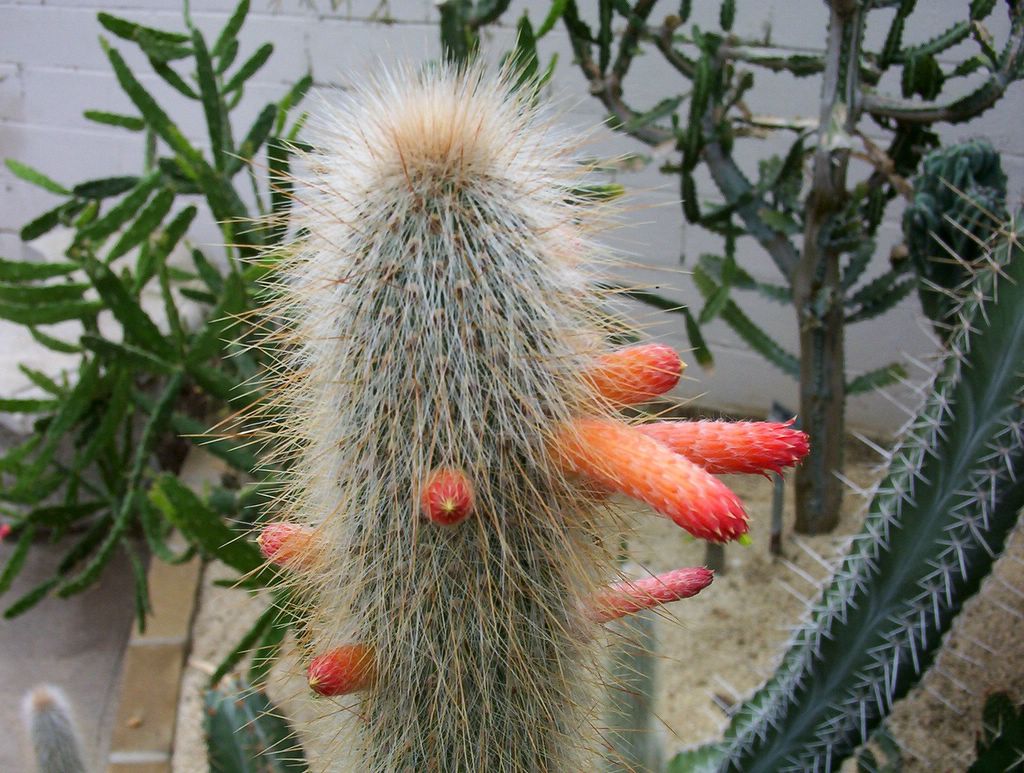
"Old man cactus" with a long white beard; Turk's cap; Pin cushion; Cactus flower


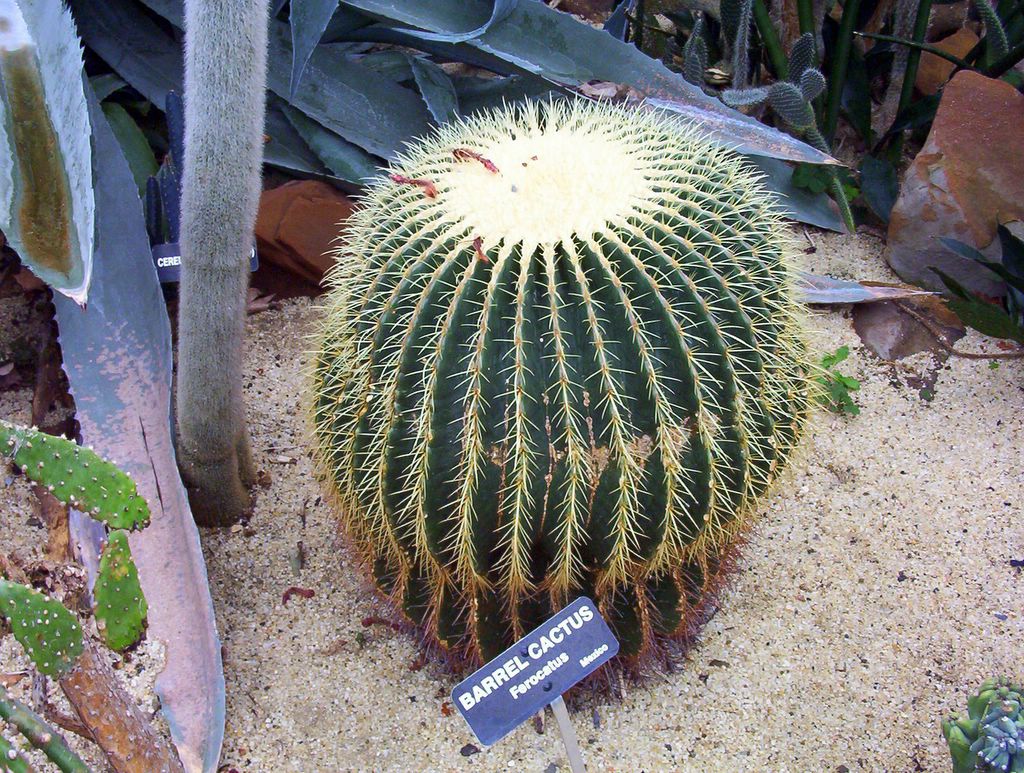
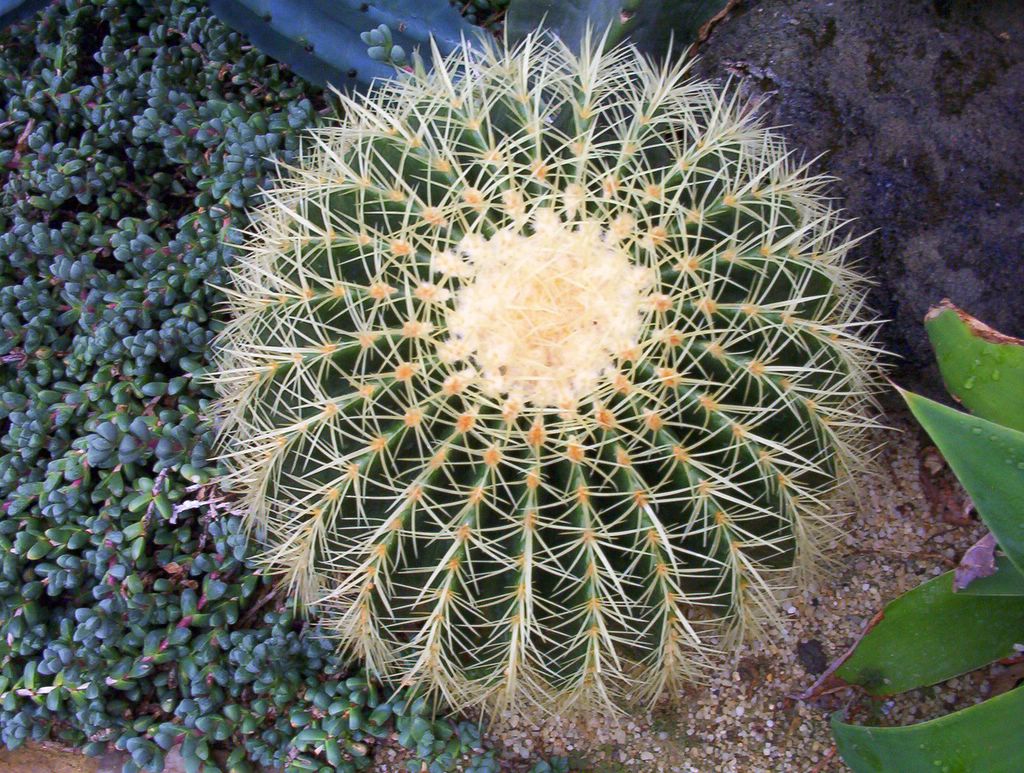
Barrel cactus

White Flowers in the Water Garden


White flowers room

Fern Showhouse


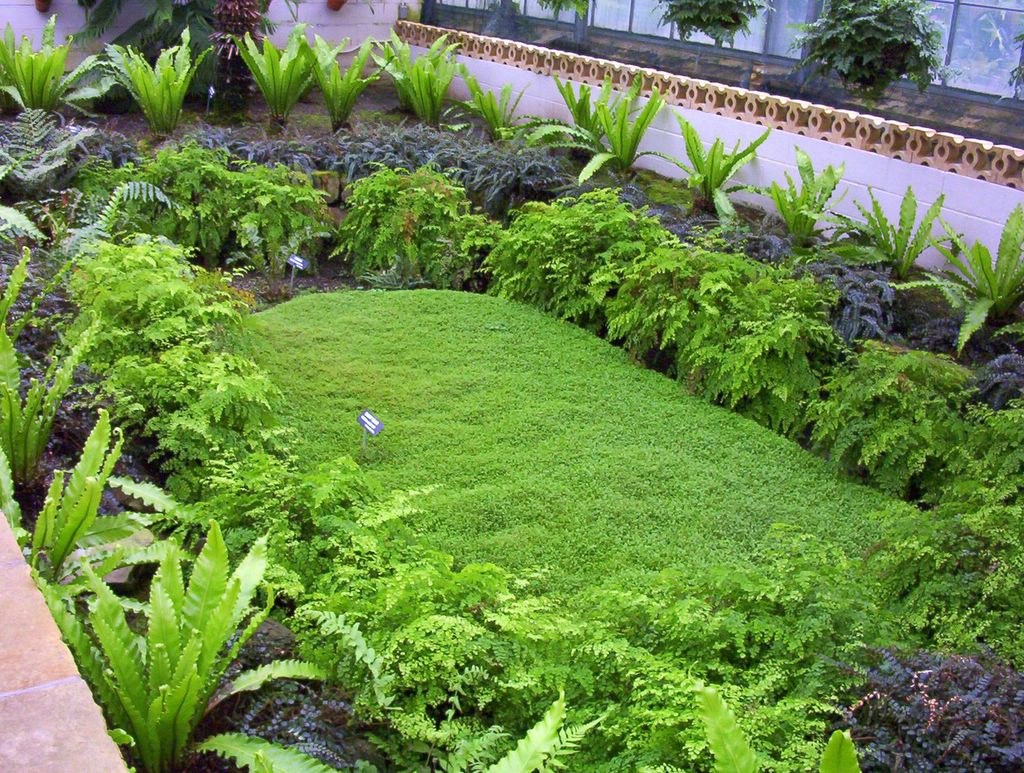
Fern Garden with baby tears fern in the center; Plume asparagus

Outdoor Gardens


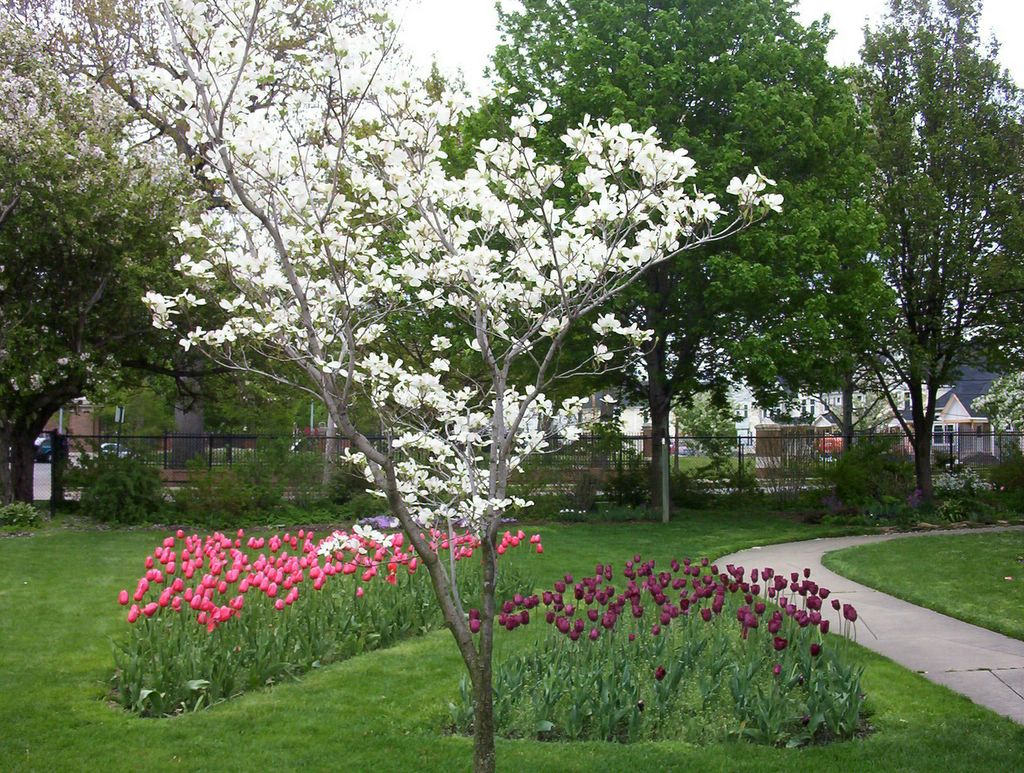
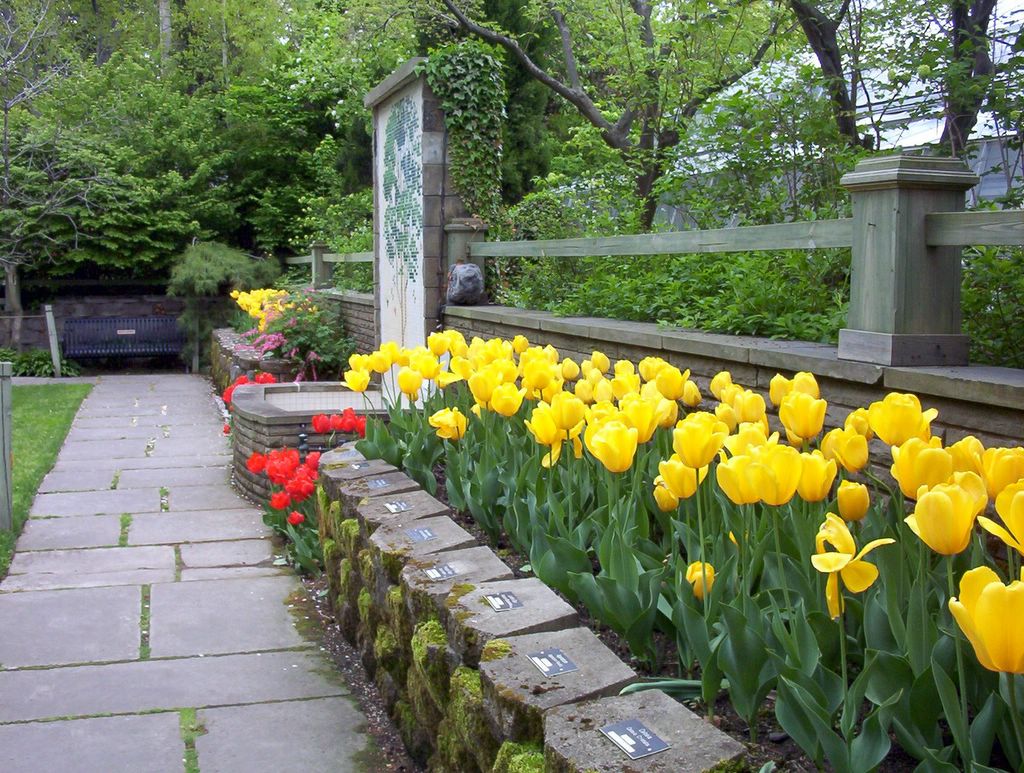
Outdoor Gardens in the winter. Check out how different they look in the photos taken during the Annual Spring Bulb Show below.


The Peace Garden on the left of the parking lot


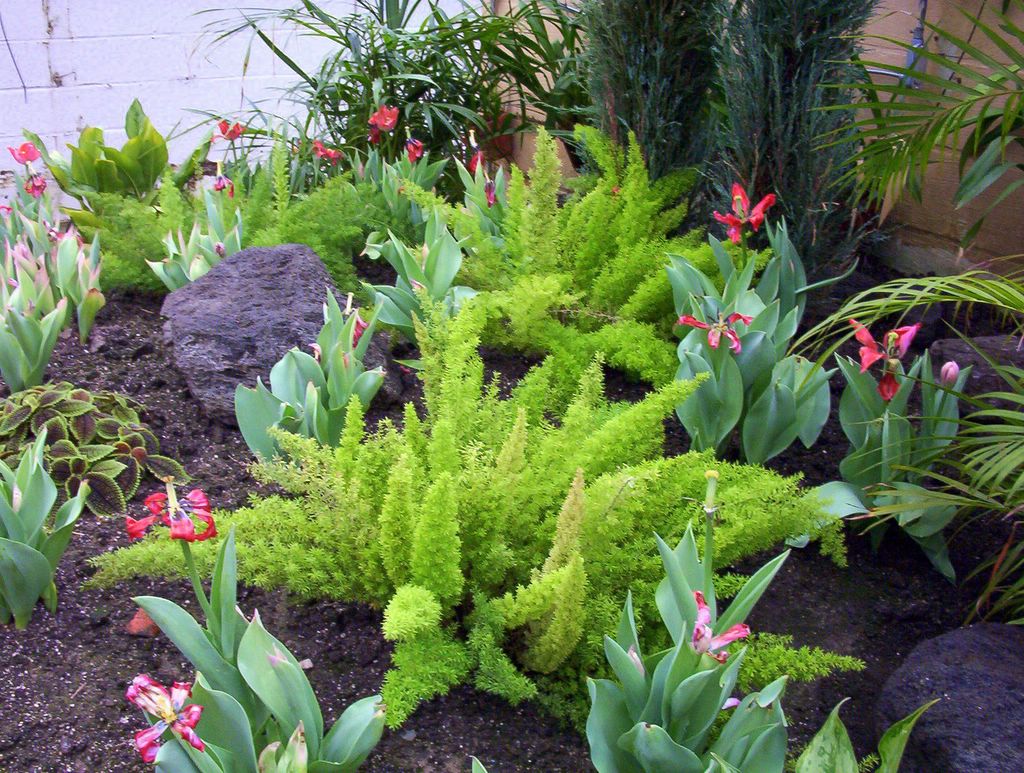
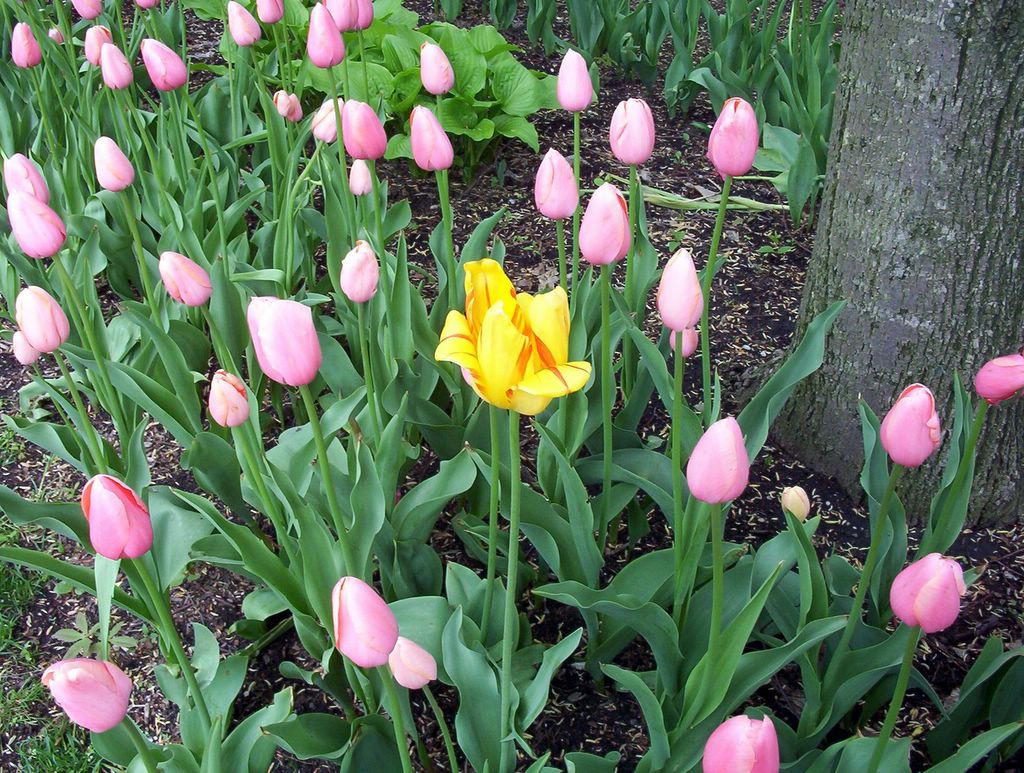
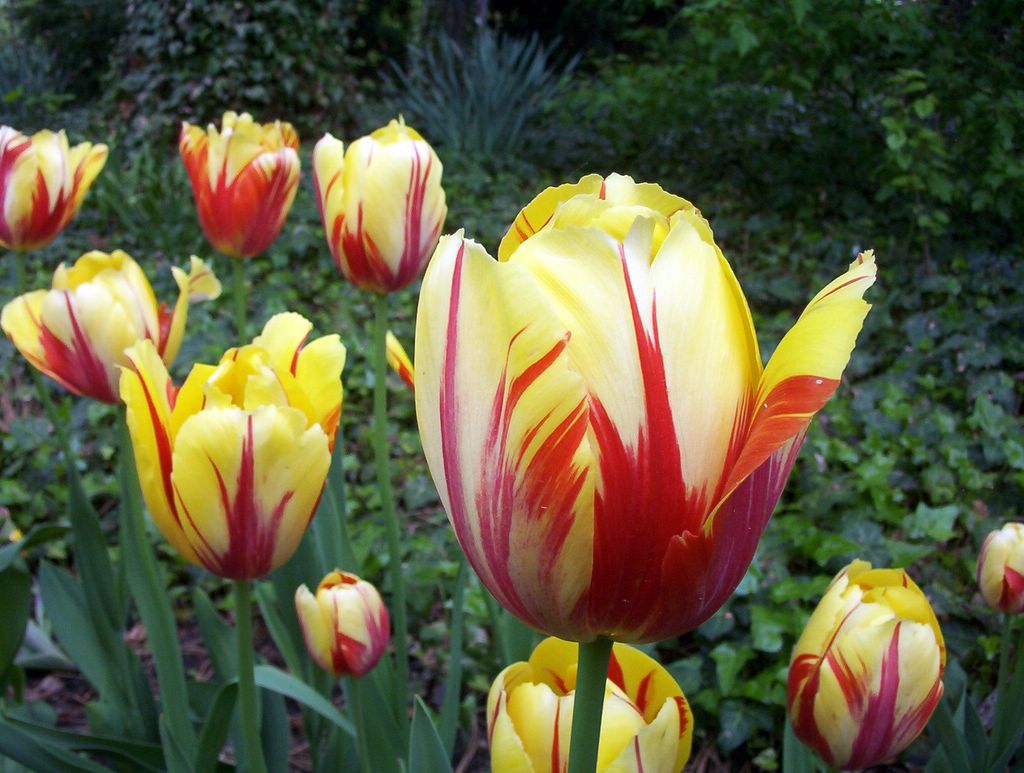
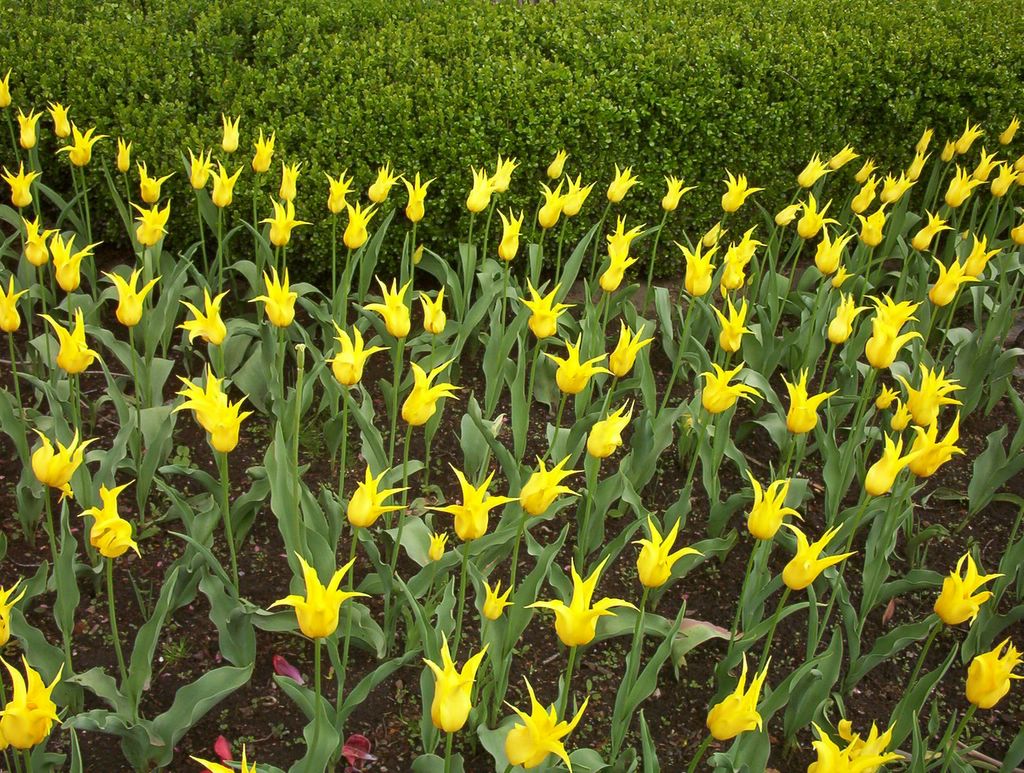
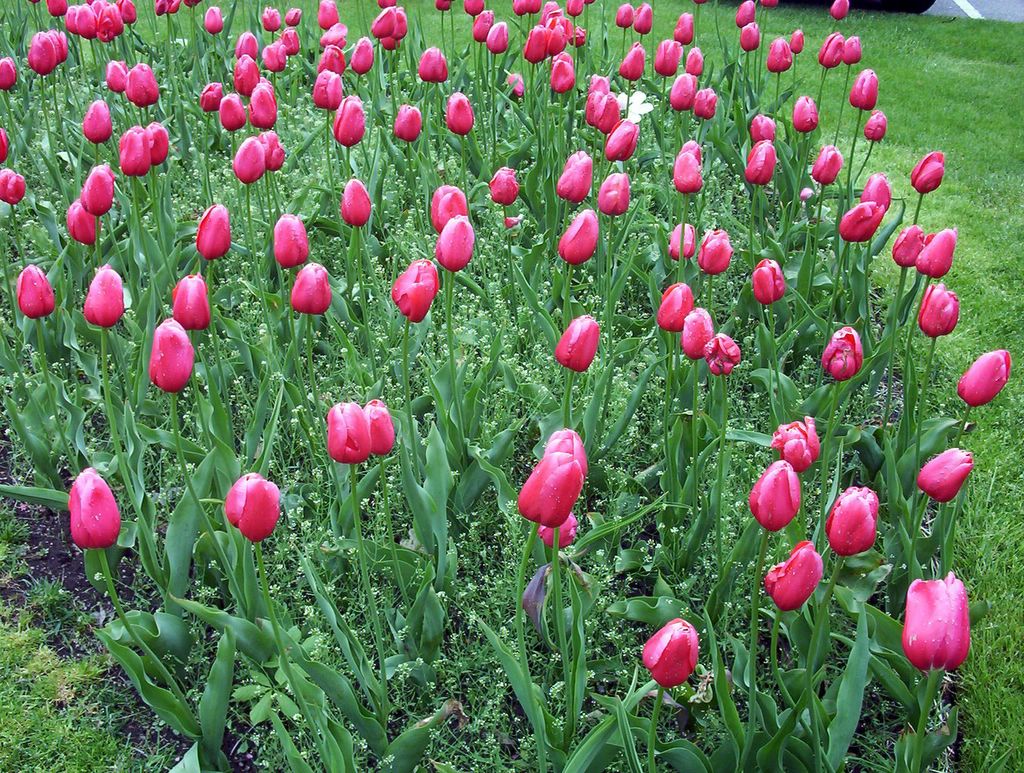
Tulips


Tulips and more flowers


The English garden on the right of the parking lot


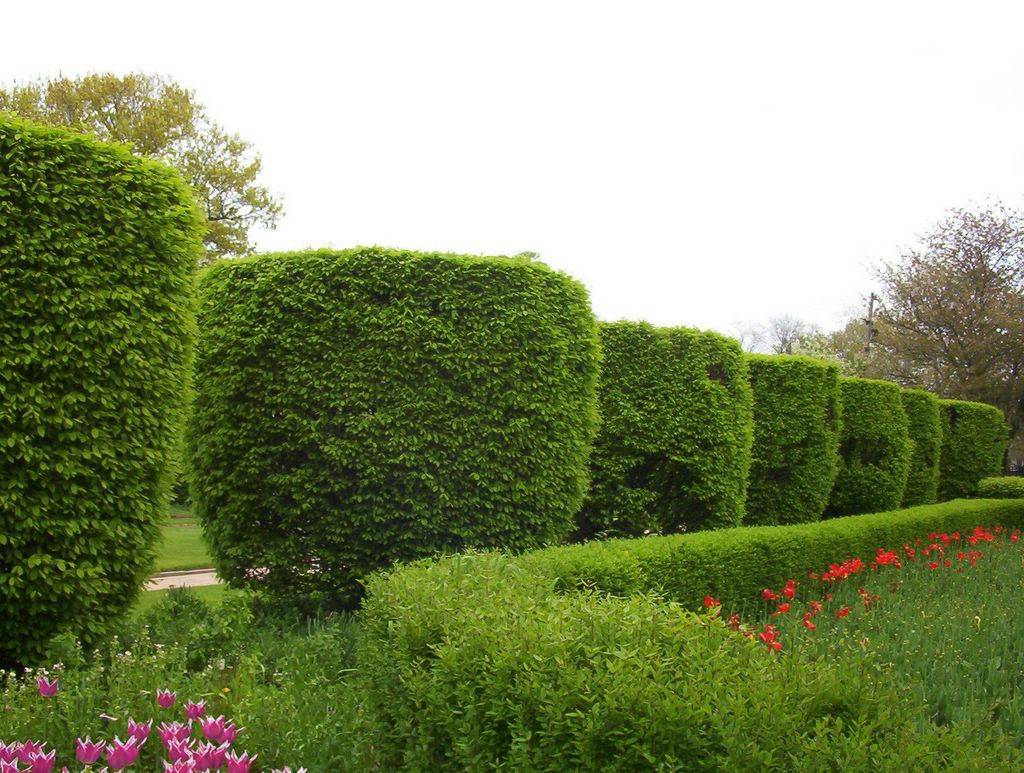
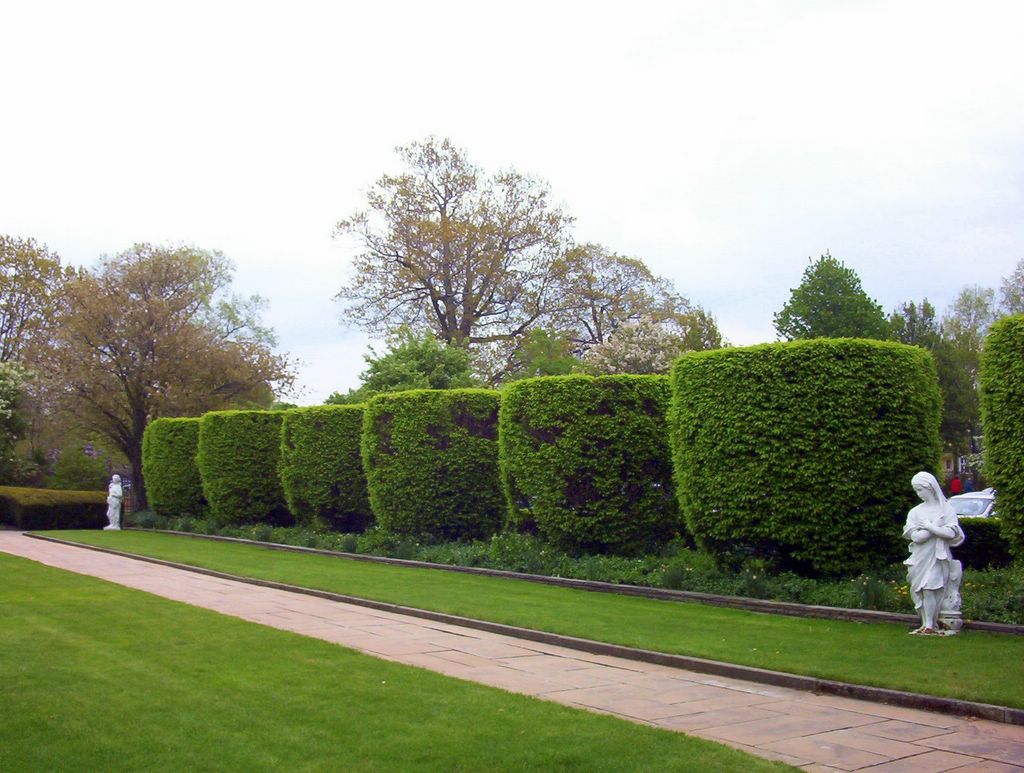
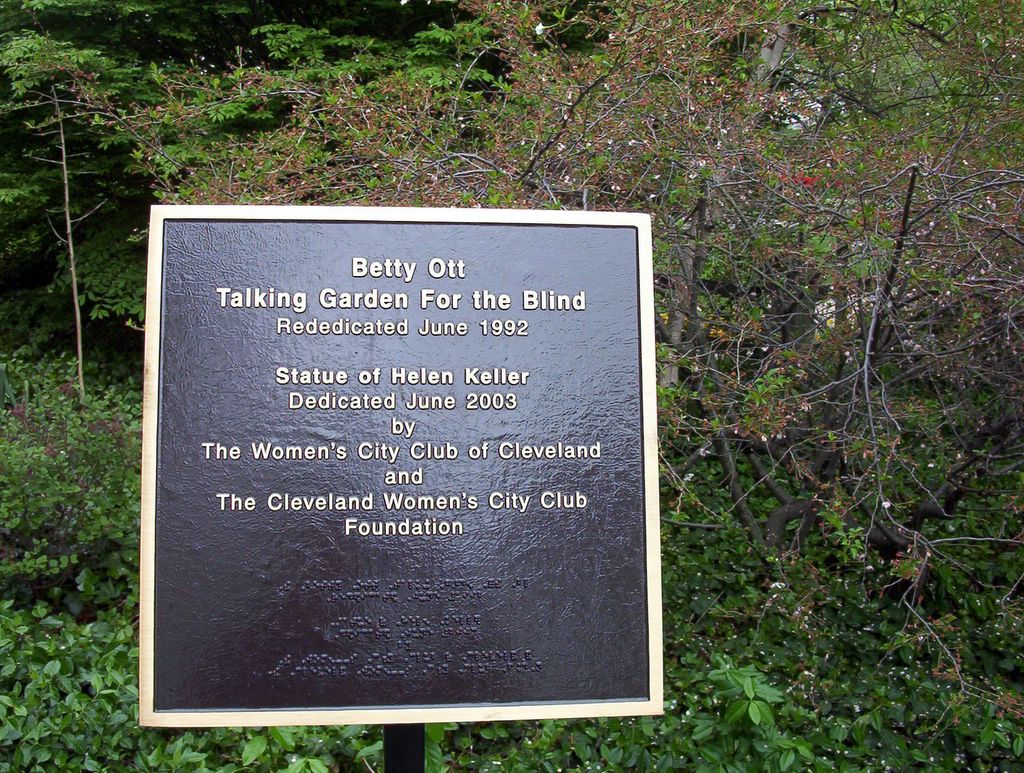
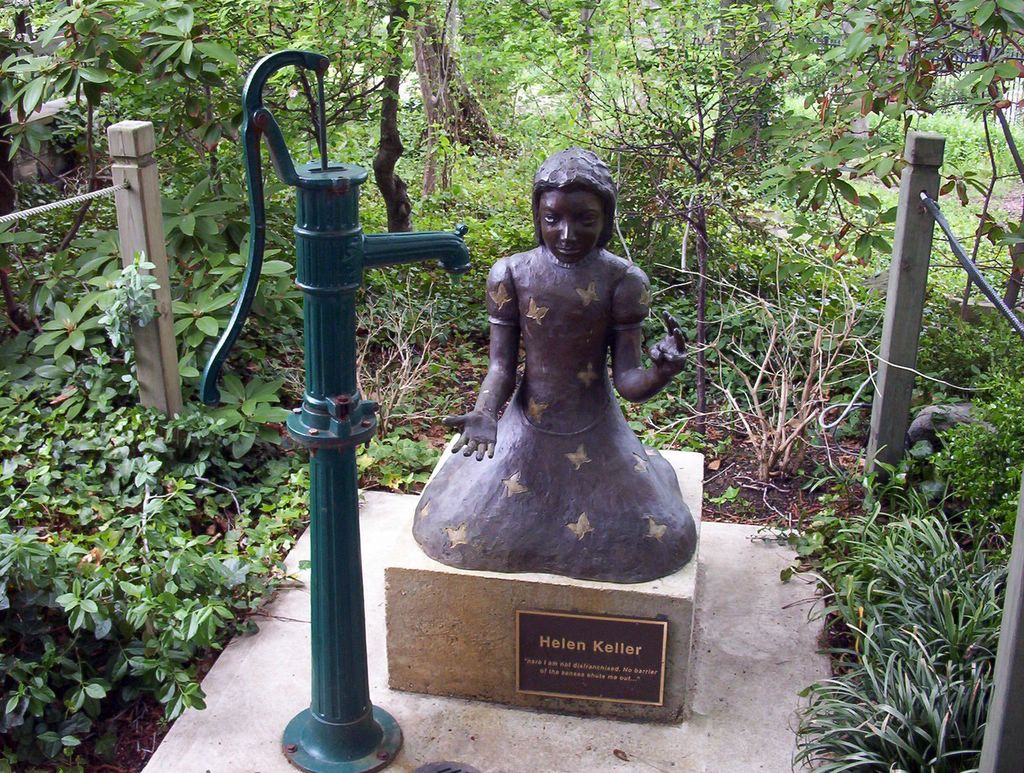
Talking Garden for the Blind


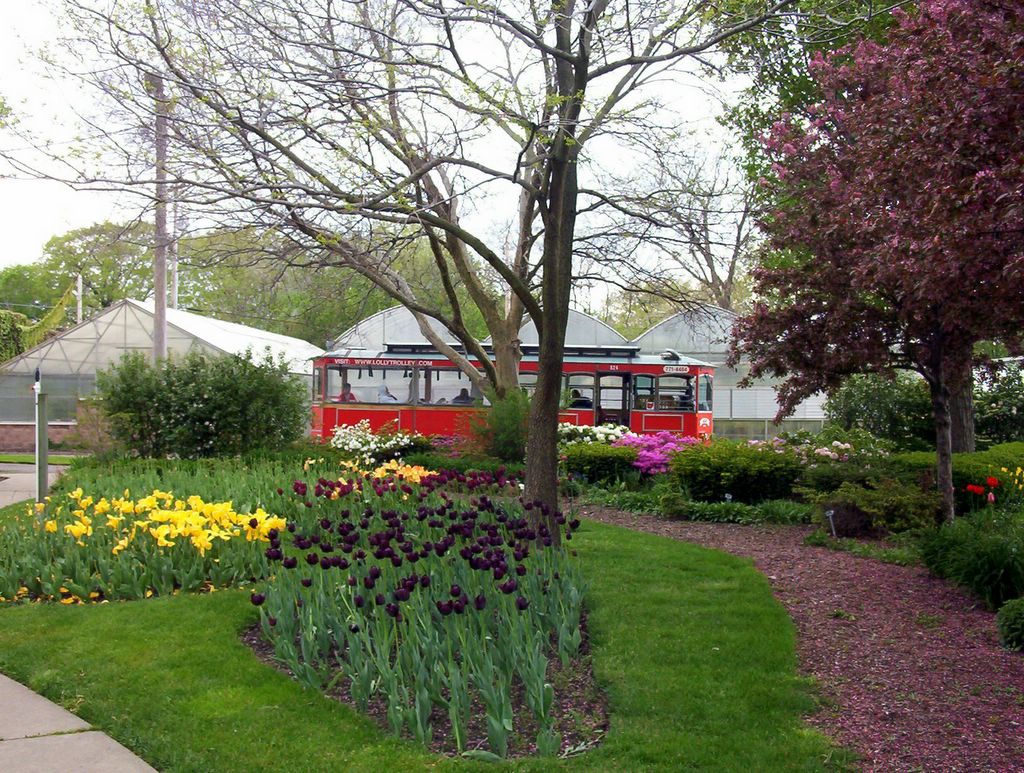
Lolly the Trolley (Cleveland sightseeing tours) stops at the Rockefeller Greenhouse.


Rockefeller Greenhouse. Click here for larger photos.


Video of indoor gardens

References:
Rockefeller Park Greenhouse, 750 E. 88th Street, Cleveland, OH 44108, Phone: 216-664-3103, Open daily from 10:00 a.m. – 4:00 p.m., Free, Official website of the Rockefeller Greenhouse.

Further reading:
City of Cleveland Enlarges and Improves Rockefeller Park Greenhouse - Properties Mag.com
Rockefeller Park Greenhouse - Ohio Traveler.com
Rockefeller Park - Canal Way Ohio.com
Rockefeller Park Greenhouse - 10 best.com
Cleveland Cultural Gardens. More information on ClevelandMemory.org
Cleveland rocks - USA Today
Family Fun within Easy Reach - Cuyahoga County Public Library

Created: 04/05/2005
Updated: 02/07/2008
Blog Widget by LinkWithin