Some examples include:
Chicago-style hot dog - soft, poppy-seed bun topped with a frankfurter, layered with yellow mustard, nuclear-green relish, onions, tomato wedges, pickle spear, peppers and celery salt. It's considered more of a snack than a meal to natives and should be consumed sans ketchup.
Cincinnati-style chili - This distinctive breed of chili is so popular in Cincinnati that there are parlors dedicated to it —chili parlors, that is. The Cincinnati version of chili tends to be a sweeter, soupier dish than traditional non- Ohio chilis. It's served with noodles and is distinguished by spices such as cinnamon or chocolate.
Indianapolis Breaded pork tenderloin sandwich - Hoosiers love their pork, and they love it deep-fried.
Omaha Reuben sandwich - Omaha stakes its claim on this pickled delight, which involves corned beef, Swiss cheese, sauerkraut and Russian dressing on rye bread.
Read about other food cities in the Chicago Tribune article below.
References:
Mapping the Midwest by favorite food. Chicago Tribune, 2011.
Showing posts with label Midwest. Show all posts
Showing posts with label Midwest. Show all posts

Blank Park Zoo in Des Moines, Iowa
From Wikipedia:
In 1963, Mr. A.H. Blank donated $150,000 ($916,000 in 2005 dollars) for the construction of a children's zoo on decommissioned Fort Des Moines property. It was originally designed around nursery rhymes and included a castle with moat, a replica of Noah's Ark, petting zoo and miniature railroad.
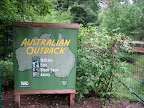
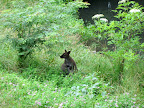
Australian outback.
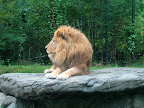
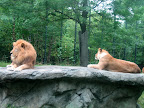
Great Cats exhibit.
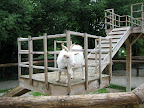
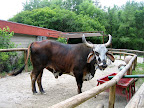
Kids' Kingdom.
In 2007, the Zoo built the new Kids' Kingdom playground. It includes 5,600 sq ft of slides, mazes, monkey bars, sand pits, fossil digs and more. The Kids' Kingdom area also includes many for "contact animals" which includes, sheep, goats, llamas, miniature donkeys, koi fish, and a Zebu.
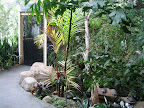
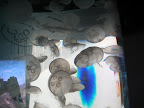
Discovery Center.
The Discovery Center is an entirely enclosed area you encounter first when you enter the zoo and contains different types of animals and plants. The Discovery Center itself is broken down into separate sections to create a unique viewing experience.
View Larger Map
Published: 08/20/2009
Midwestern United States
 Chicago, Illinois
John Hancock Observatory
Chicago, Illinois (overview)
Minneapolis, Minnesota
Cathedral of Saint Paul and State Capitol in Saint Paul, Minnesota
Minneapolis Sculpture Garden and Cowles Conservatory, Minnesota
Minnehaha Falls in Minneapolis, Minnesota
Omaha, Nebraska
Heartland of America Park
Old Market in Downtown Omaha
Big Boy Steam Locomotive in Kenefick Park
Omaha Botanical Gardens
Durham Museum
Creighton University
Vala's Pumpkin Patch Fall Festival in Gretna
Freedom Park Navy Museum
Cabela's Store in La Vista
Offutt Air Force Base Air Show in Bellevue
Creighton University
Vala's Pumpkin Patch Fall Festival in Gretna
Freedom Park Navy Museum
Cabela's Store in La Vista
Offutt Air Force Base Air Show in Bellevue
OPPD Arboretum
Pollen-producing plants (weeds and trees) in Omaha, Nebraska
Henry Doorly Zoo in Omaha
Skyfari
Giraffes, Hornbill and Cranes
Lied Jungle
Desert Dome
Aquarium
Omaha Zoo Railroad
Aviary
African Animals
Gorilla Valley
Garden of the Senses
Pachyderm Hill
Bear Canyon
Cat Complex
Lee G. Simmons Conservation Park and Wildlife Safari
Pollen-producing plants (weeds and trees) in Omaha, Nebraska
Henry Doorly Zoo in Omaha
Skyfari
Giraffes, Hornbill and Cranes
Lied Jungle
Desert Dome
Aquarium
Omaha Zoo Railroad
Aviary
African Animals
Gorilla Valley
Garden of the Senses
Pachyderm Hill
Bear Canyon
Cat Complex
Lee G. Simmons Conservation Park and Wildlife Safari
Lincoln, Nebraska
Nebraska State Capitol Building
Sunken Gardens
Maxwell Arboretum
Arboretums in Lincoln
Camp Kitaki-YMCA in Louisville, NE
Iowa
Lake Manawa State Park in Council Bluffs
Bayliss Park in Council Bluffs, Iowa
Lewis and Clark Monument and Scenic Overlook in Council Bluffs
Blank Park Zoo in Des Moines, Iowa
Related:
Creighton University photos. Google Picasa.
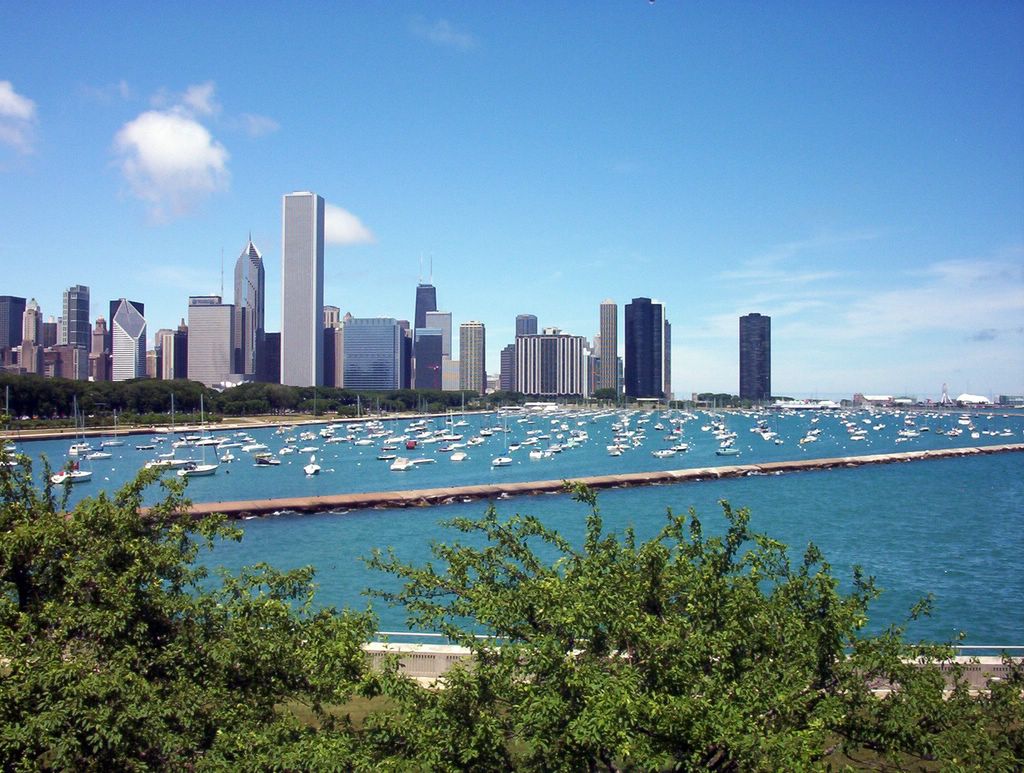
Image: The Marina at Lake Michigan, Chicago, Illinois.
Follow @Road7
Joslyn Art Museum in Omaha, Nebraska
Author: V. Dimov
Joslyn Art Museum in Omaha, Nebraska. Click here for the slideshow.
The Joslyn Art Museum, located in Omaha, is the main fine arts museum in the state of Nebraska. The museum opened in 1931, a gift from Sarah H. Joslyn in memory of her husband, George A. Joslyn.
It occupies a large and impressive Art Deco building designed by John and Alan McDonald, constructed of Georgia Pink marble, with 38 different marbles from all over the world in the interior. The structure of Art Deco is based on mathematical geometric shapes.

The museum's tiled Fountain Court.
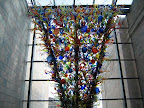
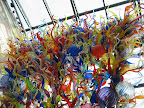
Inside and Out installation by Dale Chihuly at the Joslyn Art Museum.
European collection: 16th and 17th century works include paintings by Veronese, Titian, Claude Lorrain and El Greco. However the strongest collections are from the 19th century, including romantic works by Delacroix and Gustave Doré, realist works by Corot and Gustave Courbet, and an impressionist works by Degas, Monet, Pissarro, and Renoir.
Western American collection: including important collections of work by the Swiss artist Karl Bodmer based on his 1832-34 journey to the Missouri River frontier, and by Alfred Jacob Miller, also illustrating the West of the 1830s.
Although the best known names appear in the European and American collections, it is probably the Western American and Native American collections that have the greatest importance as collections, allowing a rare opportunity to study these genres and periods of art as well as giving an important insight into the history of the western United States.
References:
Joslyn Art Museum, from Wikipedia, the free encyclopedia.
George Catlin, from Wikipedia, the free encyclopedia.
Published: 02/21/2009
Updated: 04/14/2009
Joslyn Art Museum in Omaha, Nebraska. Click here for the slideshow.
The Joslyn Art Museum, located in Omaha, is the main fine arts museum in the state of Nebraska. The museum opened in 1931, a gift from Sarah H. Joslyn in memory of her husband, George A. Joslyn.
It occupies a large and impressive Art Deco building designed by John and Alan McDonald, constructed of Georgia Pink marble, with 38 different marbles from all over the world in the interior. The structure of Art Deco is based on mathematical geometric shapes.
The museum's tiled Fountain Court.
Inside and Out installation by Dale Chihuly at the Joslyn Art Museum.
European collection: 16th and 17th century works include paintings by Veronese, Titian, Claude Lorrain and El Greco. However the strongest collections are from the 19th century, including romantic works by Delacroix and Gustave Doré, realist works by Corot and Gustave Courbet, and an impressionist works by Degas, Monet, Pissarro, and Renoir.
Western American collection: including important collections of work by the Swiss artist Karl Bodmer based on his 1832-34 journey to the Missouri River frontier, and by Alfred Jacob Miller, also illustrating the West of the 1830s.
Although the best known names appear in the European and American collections, it is probably the Western American and Native American collections that have the greatest importance as collections, allowing a rare opportunity to study these genres and periods of art as well as giving an important insight into the history of the western United States.
References:
Joslyn Art Museum, from Wikipedia, the free encyclopedia.
George Catlin, from Wikipedia, the free encyclopedia.
Published: 02/21/2009
Updated: 04/14/2009
Lake Manawa State Park in Council Bluffs, Iowa
View Larger Map
The park's 1,529 acres encompass a 772-acre lake. Lake Manawa was formed during a flood in 1881 when a portion of the river channel was cut off by the meandering of the Missouri River. Over the years, the resulting "oxbow" lake, became an outdoor recreation center for visitors. "Manawa" is a Native American term meaning "peace and comfort."
Lake Manawa is the main boating spot in the Omaha/Council Bluffs area. Boat motors of any size may be operated on the lake. It is also a favorite spot for anglers. Good catches of crappies, bluegills, catfish, bass and walleye are expected.
Lake Manawa is a good place for swimmers and sunbathers although some recent visitor reviews were not that great.
Lake Manawa State Park is located 2 1/2 miles south of Interstate 80 (Exit 3) at Council Bluffs, Iowa. It is located 2 1/2 miles west of Interstate 29 (Exit 47).
Places to visit in the park:
- beach
- Dream Playground wooden castle
- Kaplin monument
Photos on Flickr.
References:
Lake Manawa State Park. Iowa Department of Natural Resources.
Canvas can do miracles: Sailboaters offer free taste of liberty. Omaha Herald, 07/2007.
Lake Manawa Sailing Association
StateParks.com: Iowa.
Lake Manawa Beach: Traveler Reviews
Contact Information: 1100 South Shore Drive, Council Bluffs, IA 51501, ph. 712/366-0220, fax 712/366-0474.
Map of the park (PDF).
Lake Manawa is on Iowa’s impaired waters list, 2010.
Updated: 04/21/2010
Annual Waterfowl Migration Near Omaha, Nebraska
 From Omaha Word Herald, Dec 5, 2008:
"Now is the peak time for waterfowl stopping at the Squaw Creek National Wildlife Refuge just across the Missouri River from Rulo, Neb.
Earlier this week, the bird count at the refuge was about 165,000 geese, 75,000 ducks, 55 trumpeter swans and 79 bald eagles.
Squaw Creek is made up of 3,000 controlled acres of marsh and wetlands, said Corey Kudrna, a wildlife refuge specialist. He said the birds usually remain until the shallow waters freeze. A 10-mile auto tour loops through the wetlands. The refuge is open from sunrise until 5 p.m., with no entrance fee required."
See the photo gallery: Squaw Creek National Wildlife Refuge.
References:
A good view of the birds. Omaha Word Herald, Dec 5, 2008.
Image source: Snow Goose, Wikipedia, the free encyclopedia, GNU Free Documentation License.

Zorinsky Lake Park in Omaha, Nebraska
Zorinsky Lake Park in Omaha, Nebraska
Zorinsky Lake Park, located at 156th and “F” street (1000 acres), is one of Omaha’s most popular lakes. It provides fishing and boating while being surrounded by playgrounds, path, trails, picnic areas, shelters, and open spaces. There are five baseball fields, football field and three soccer fields.
View Larger Map
The lake and park are named after Edward Zorinsky (November 11, 1928 - March 6, 1987, Democratic Senator (from 1976 until his death in 1987) from Nebraska.

From Wikipedia:
"A lifelong resident of Omaha, Zorinsky attended Creighton University and the University of Nebraska. He was in the wholesale tobacco and candy business from 1950 to 1973 before being elected Mayor of Omaha in 1973.
Zorinsky had been a Republican for most of his life, but joined the Democratic Party in 1976 to pursue the open United States Senate seat. Zorinsky felt he was snubbed by the Republicans, who nominated U.S. Representative John Y. McCollister, also from Omaha. In a mild surprise, he subsequently won the election by a 53% to 47% margin. He was the first Senator from Nebraska to caucus with the Democrats since George W. Norris left the Senate in 1943, as well as the first Democrat elected from the state since Edward R. Burke in 1935.
As a Senator, Zorinsky was a moderate to conservative Democrat, voting with Republicans on some significant issues. He was courted by the Republicans to rejoin their party in 1982. He hinted that he might indeed change parties in 1986, but ultimately never made the switch.
Zorinsky died after suffering a heart attack at the 1987 Omaha Press Club ball."
References:
Zorinsky Lake Park. City of Omaha's Official Web Site.
Edward Zorinsky, from Wikipedia, the free encyclopedia.
Omaha Trails at OmahaTrails.com
Trails in Omaha, from Wikipedia, the free encyclopedia
Parks in Omaha, Nebraska, from Wikipedia, the free encyclopedia
Chalco Hills Recreation Area, from Wikipedia, the free encyclopedia
Aquarium at Henry Doorly Zoo in Omaha, Nebraska
Aquarium at Henry Doorly Zoo in Omaha, Nebraska
Shark Tunnel and Aquarium at Omaha Zoo, Nebraska
From Wikipedia:
Scott Kingdom of the Seas Aquarium features displays of aquatic habitats from polar regions, temperate oceans, the flooded Amazon Rainforest, and coral reefs. The 900,000-U.S. gallon (3.4 million L) shark tank features a 70-foot (21 m) shark tunnel that is at the bottom of the 17-foot (5.2 m) deep tank. This tank features sharks, stingrays, sea turtles, and coral reef fish.
Other tanks include a North Pacific Giant Octopus, jellyfish, and open ocean schooling fish.
The only fresh water display is of the Amazon Rainforest that includes fish, invertebrates, turtles, and mammals.
Penguins Swimming at Omaha Zoo
Penguins at Omaha Zoo
Posted: 10/30/2008
Updated: 01/24/2009
Vala's Pumpkin Patch Fall Festival in Gretna, Nebraska
Click here to see the album Vala's Pumpkin Patch Fall Festival in Gretna, Nebraska
References:
Vala's Pumpkin Patch -- Fun For The Whole Family
Omaha. eTrips.
Published: 10/19/2008
Giraffes, Hornbill and Cranes in Omaha Zoo
Giraffes, Hornbill and Cranes in Omaha Zoo
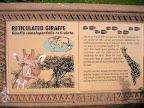
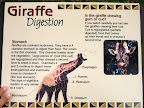
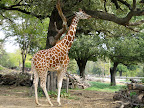
Reticulated Giraffe
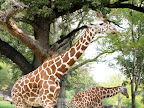
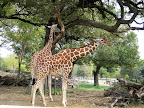
Reticulated Giraffe
Reticulated Giraffes in Omaha Zoo
The giraffe (Giraffa camelopardalis) is the tallest animal in the world. Males reach 19 feet tall and weigh between 2400 and 4250 pounds.
The giraffe is known for its spots. In fact, the Romans called the giraffe "camelopardalis," meaning "camel marked like a leopard." These spots are unique to each giraffe, much like fingerprints are unique to each human.
There are 9 giraffe subspecies, differentiated by color and pattern variations. One of them is reticulated or Somali Giraffe (Giraffa camelopardalis reticulata) — large, polygonal liver-coloured spots outlined by a network of bright white lines.
Reticulated giraffes are the most distinctively patterned of the 9 subspecies of giraffe. Their coat has brown, regular, box-like patterns (called a reticulated pattern). Range: northeastern Kenya, Ethiopia, Somalia.
Another unique feature of the giraffe is its unusually long tongue which can be as much as 22 inches long.
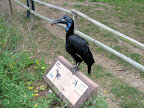
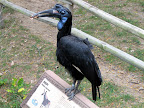
Hornbill
Hornbill and Okapi in Omaha Zoo
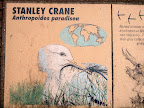
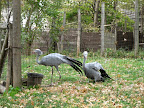
Stanley Crane
The Blue Crane (Anthropoides paradisea), also known as the Stanley Crane and the Paradise Crane, is the national bird of South Africa.
References:
Giraffe, from Wikipedia, the free encyclopedia.
Reticulated Giraffe. The Big Zoo.
Reticulated Giraffe. Brookfield Zoo.
Updated: 08/02/2010
Minneapolis Sculpture Garden and Cowles Conservatory

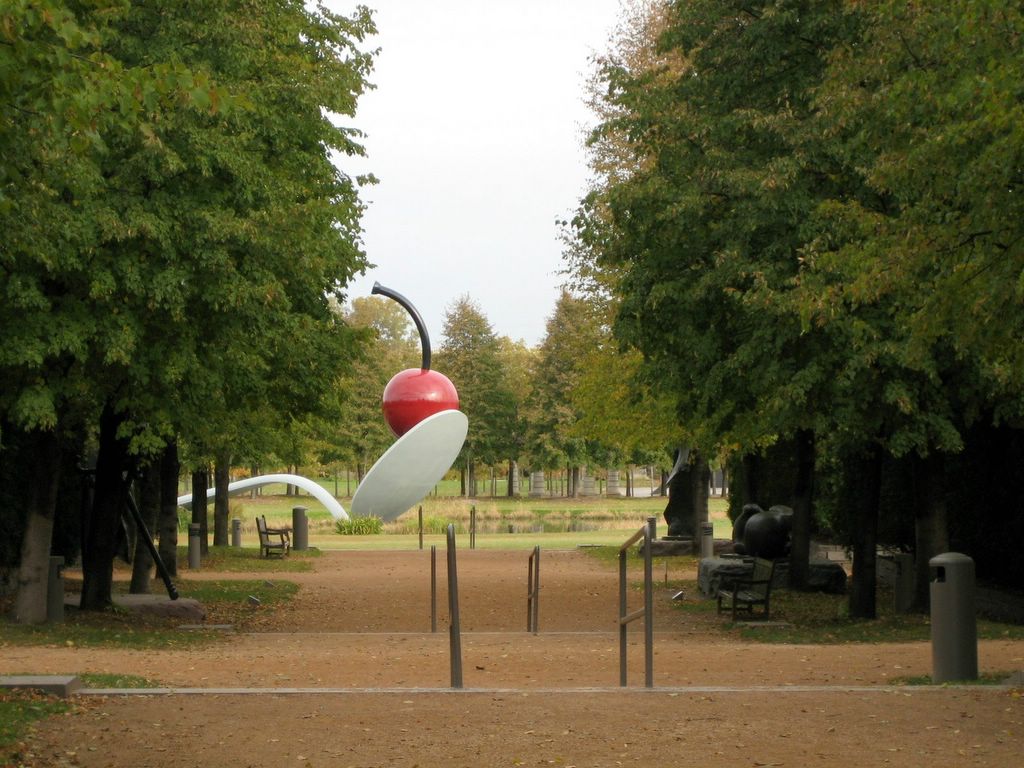
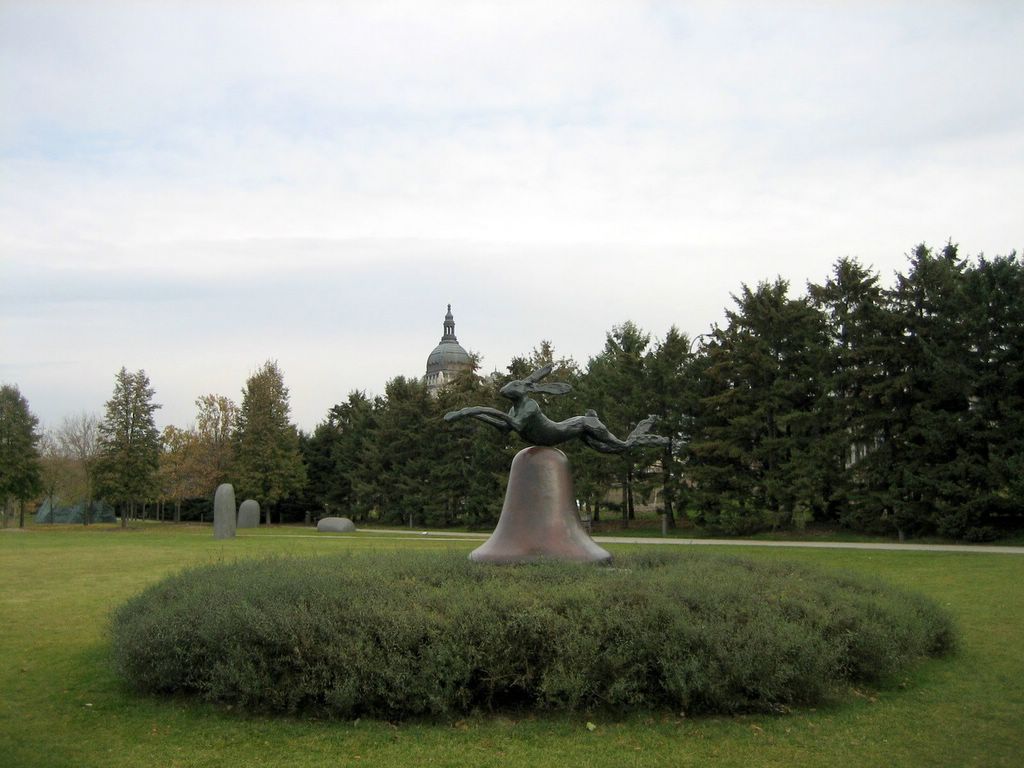
Minneapolis Sculpture Garden
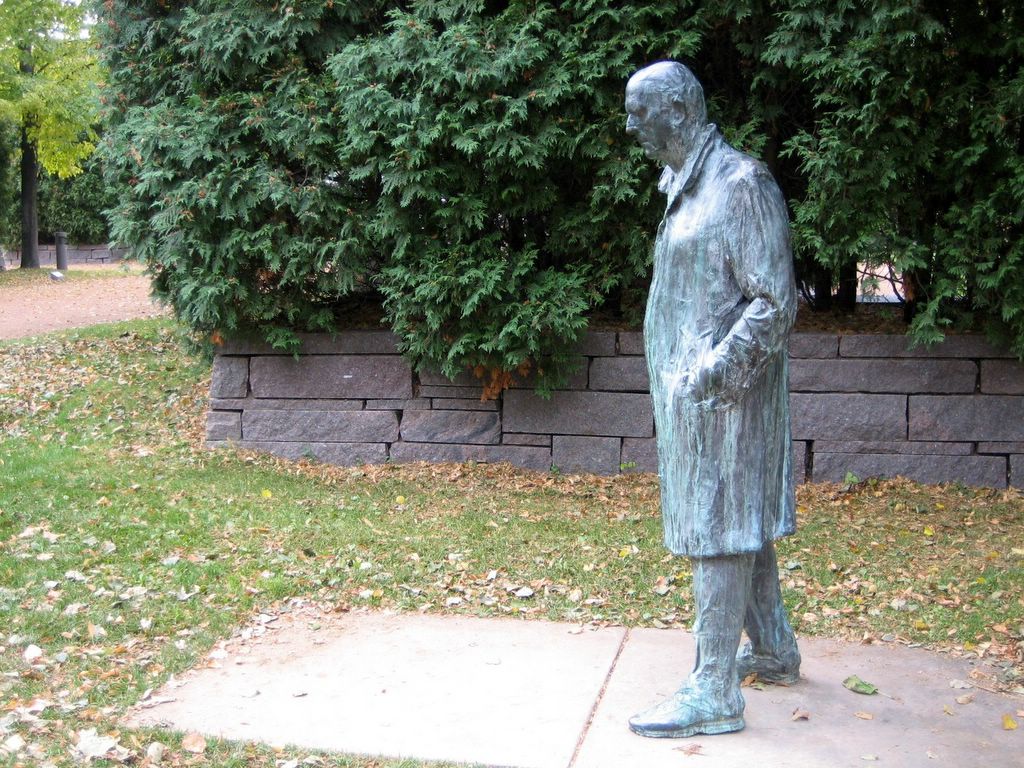
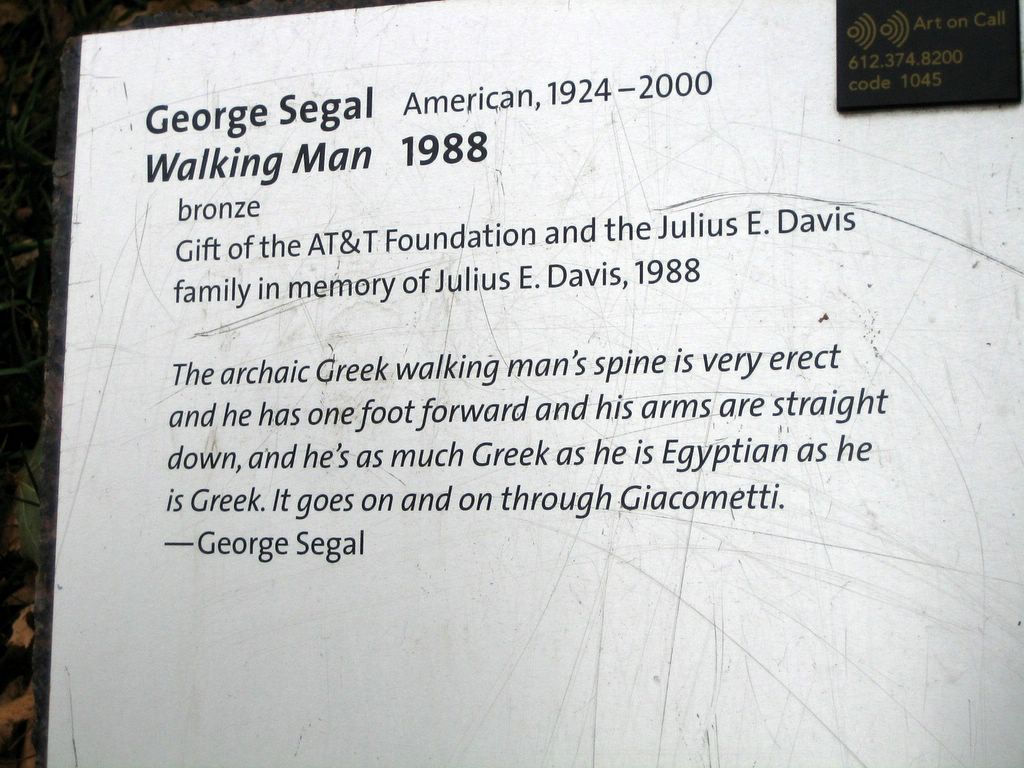
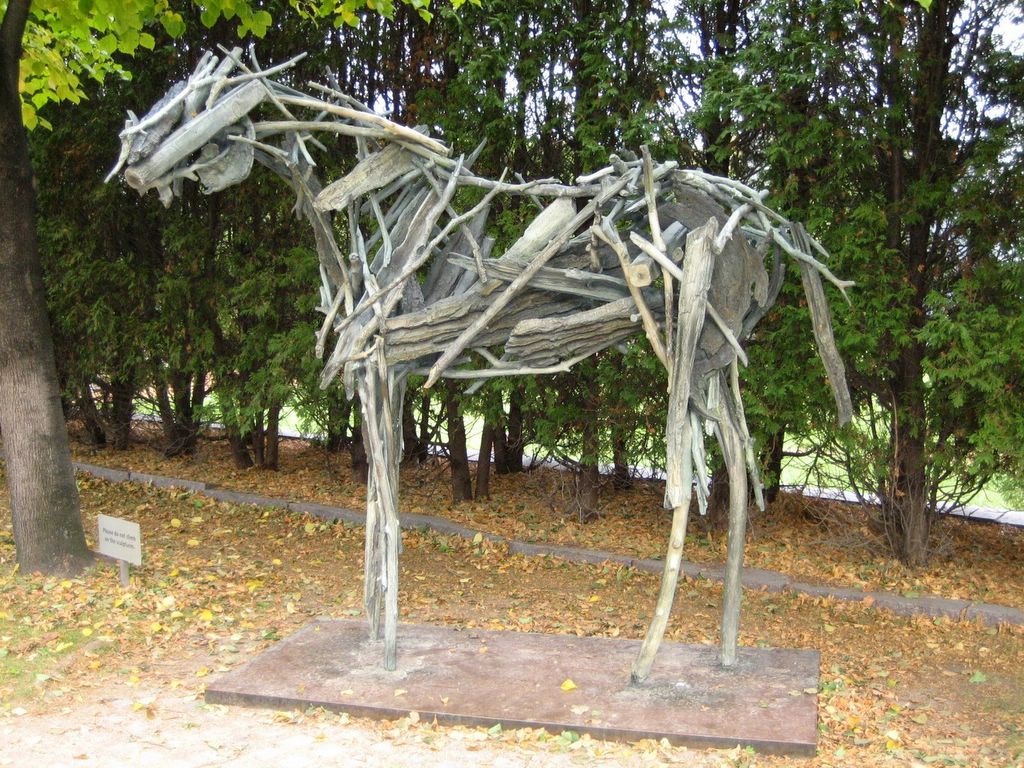
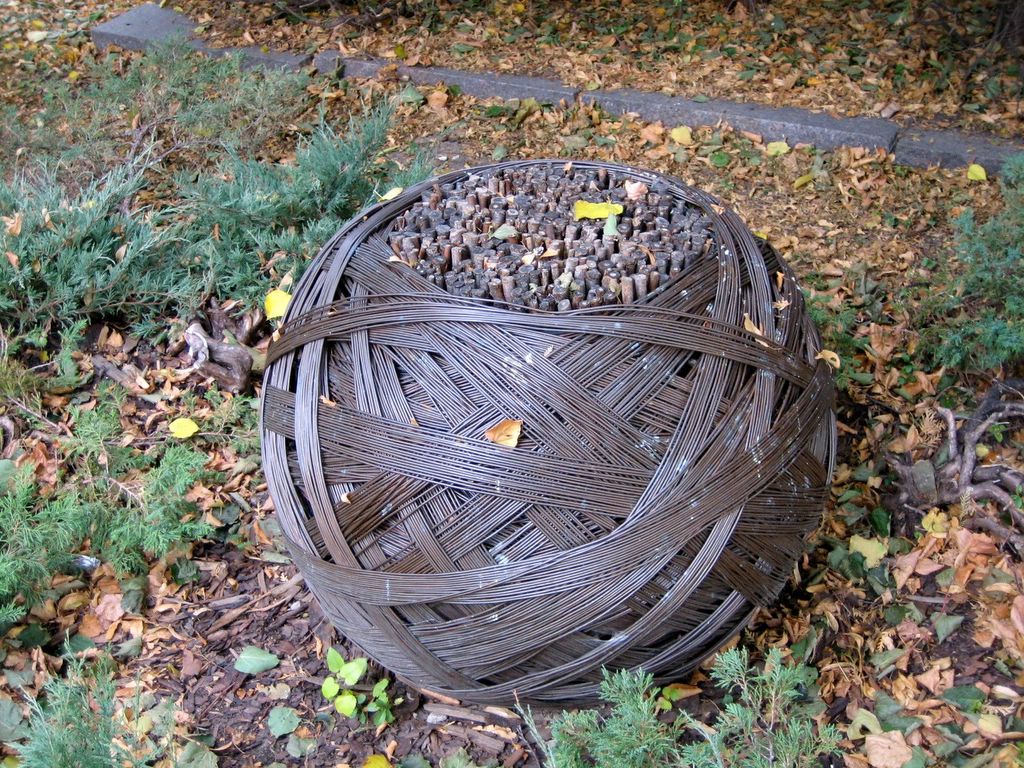
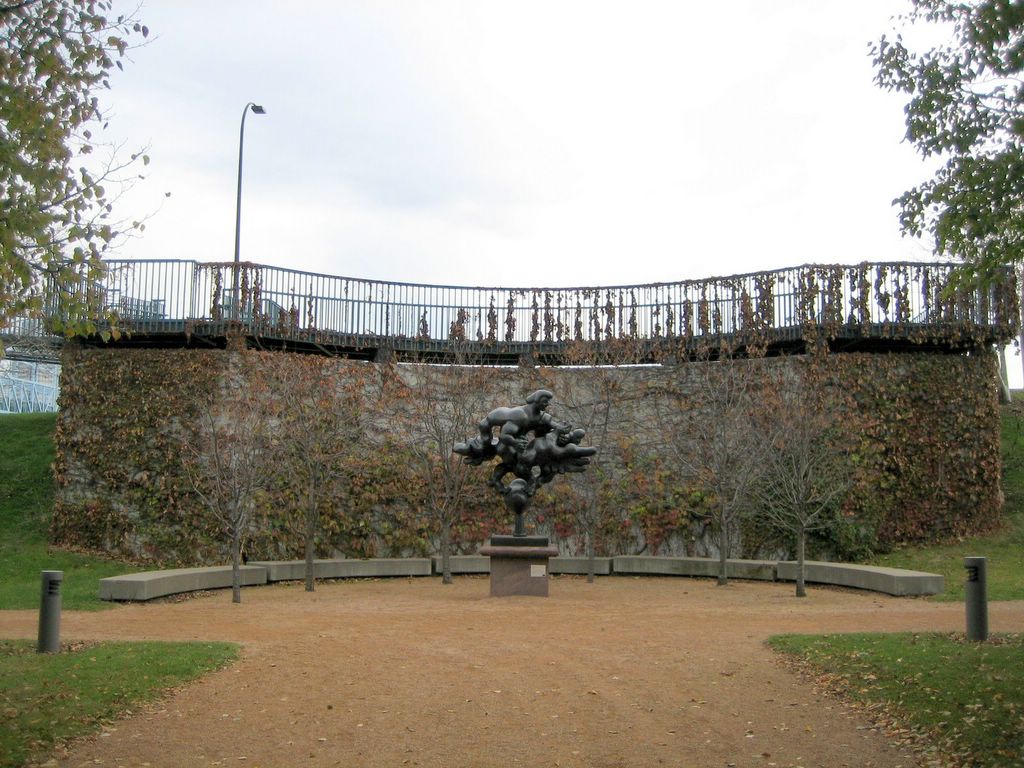

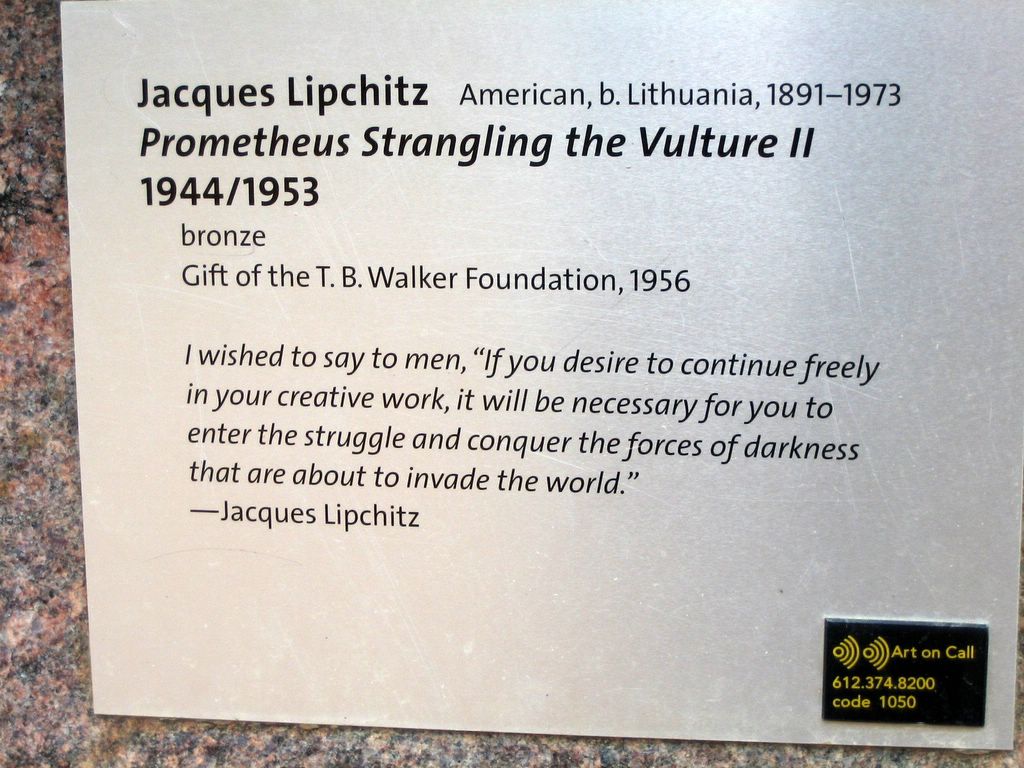

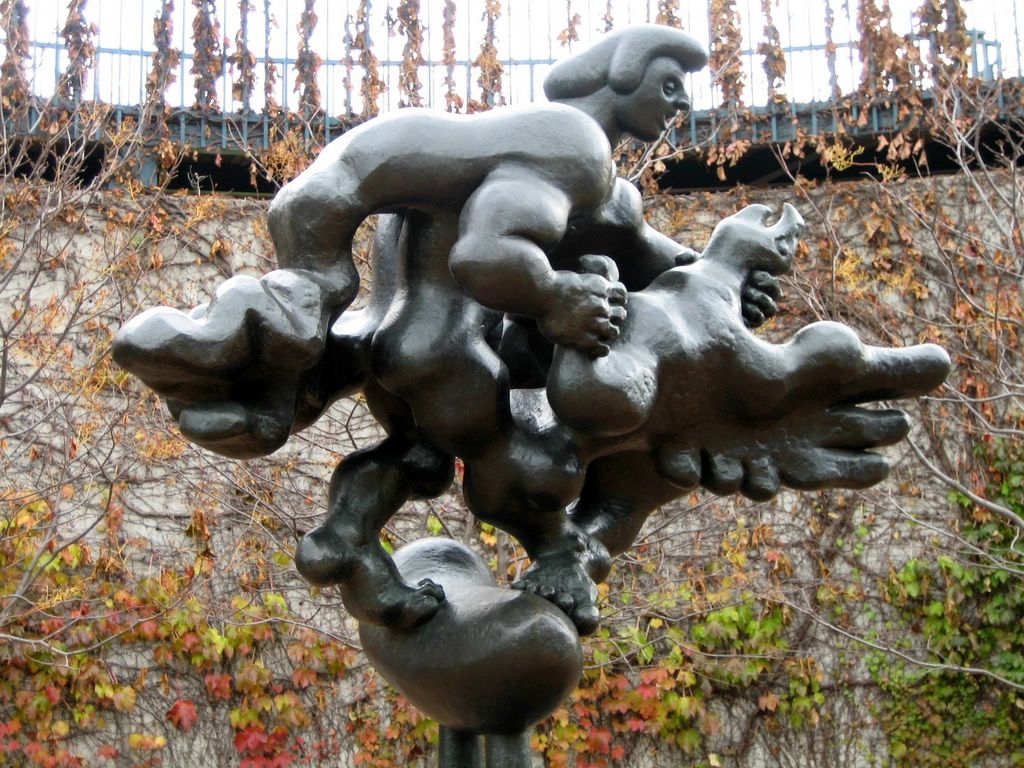



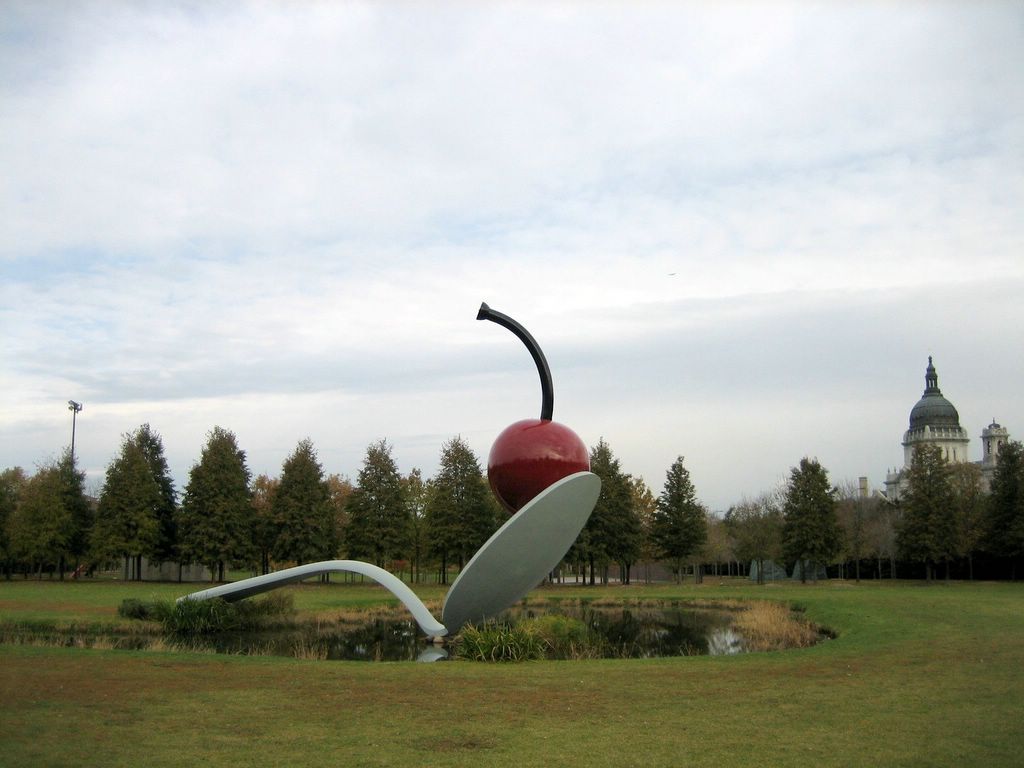

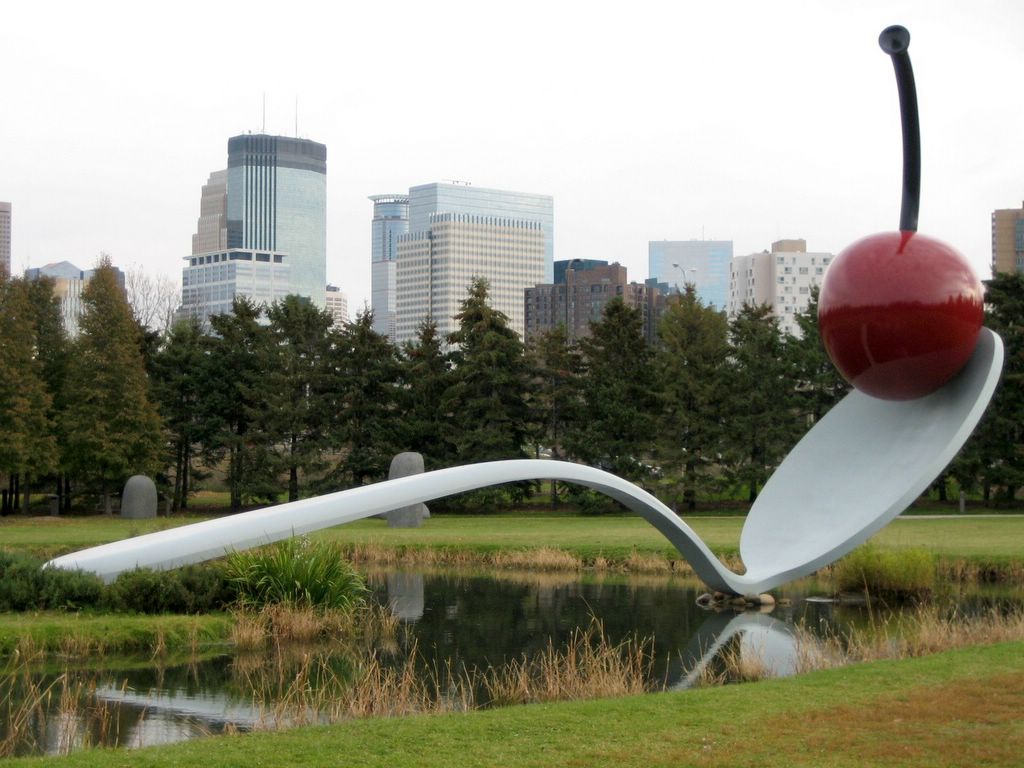
Spoonbridge and Cherry
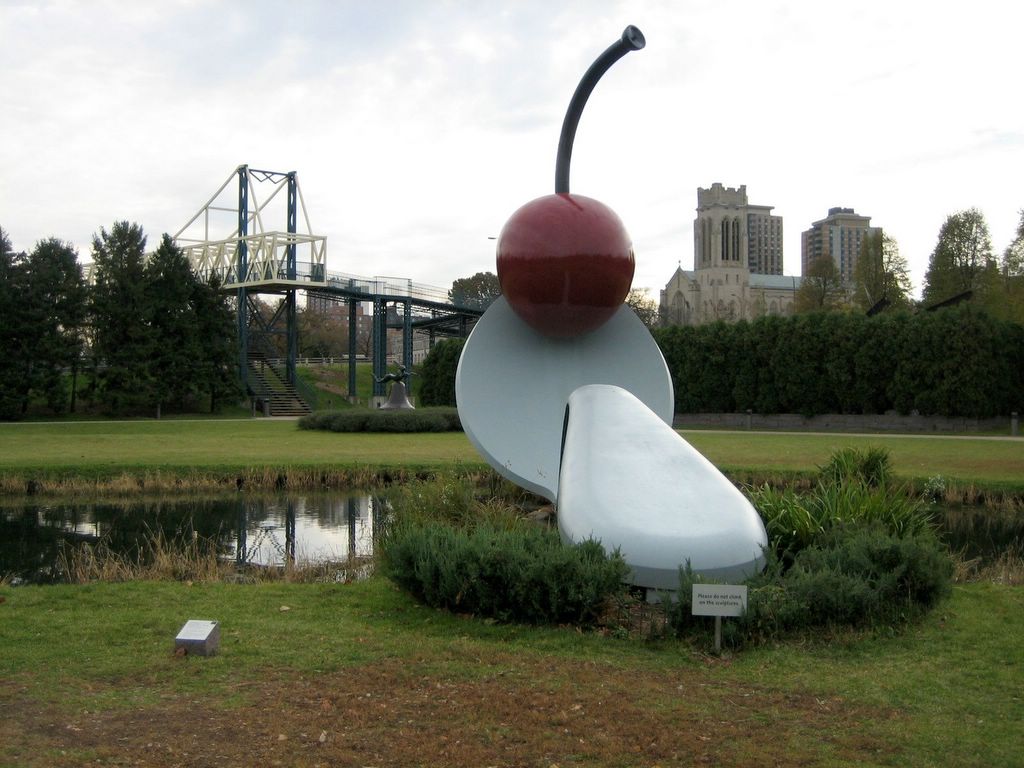

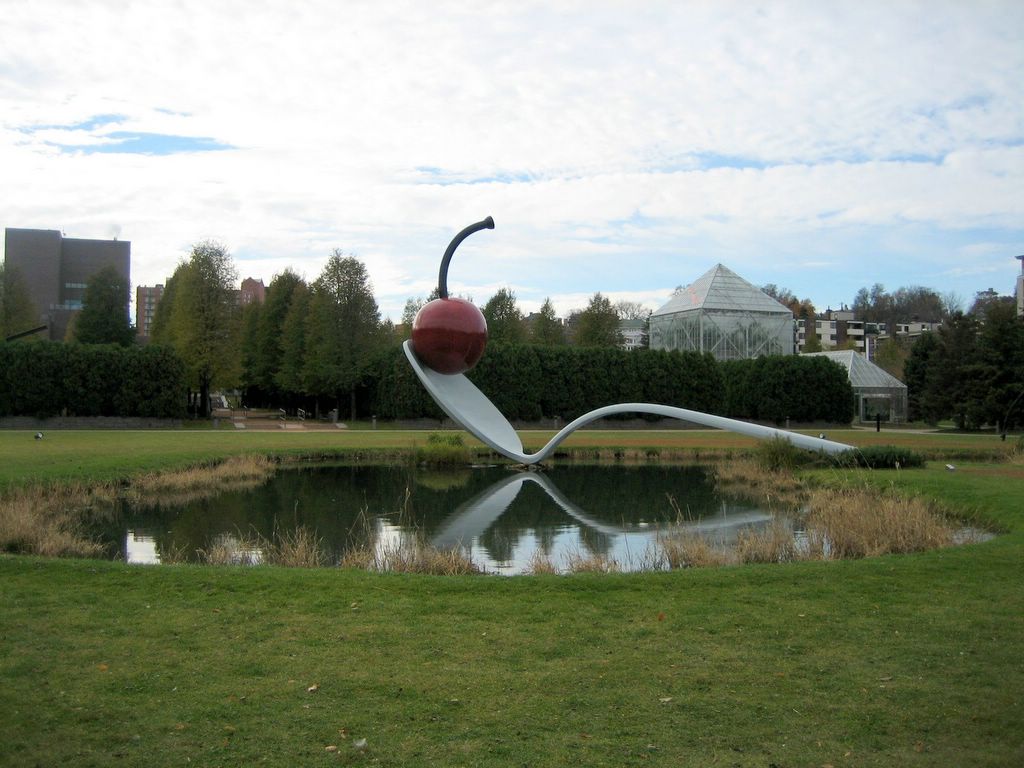
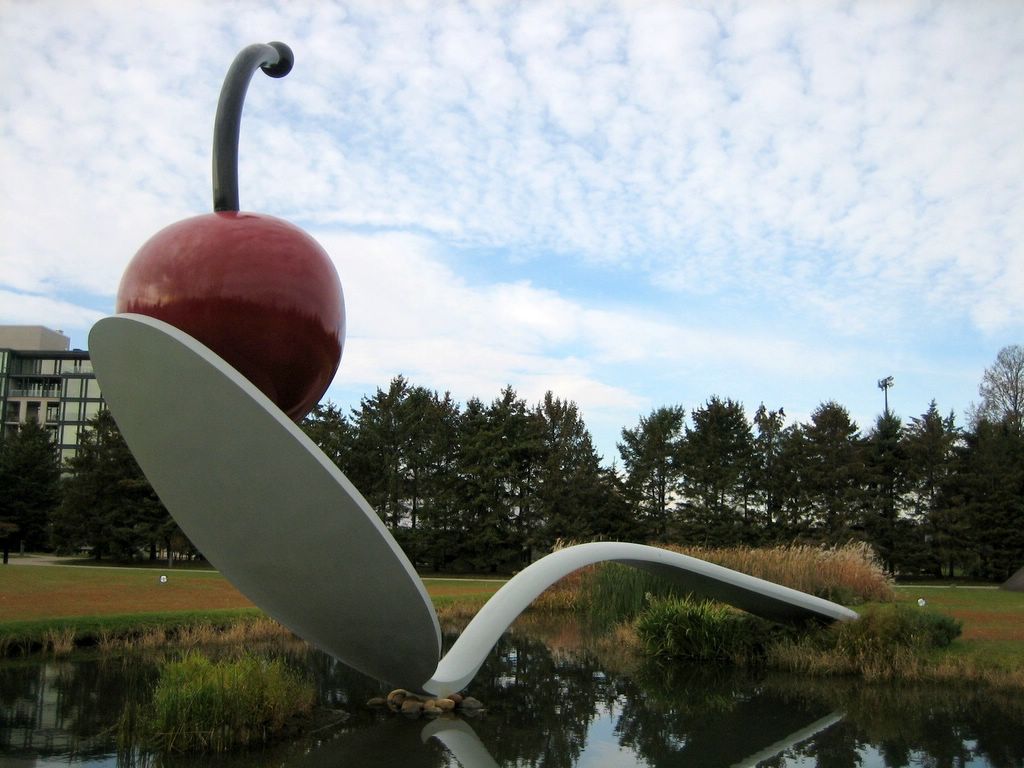

Spoonbridge and Cherry
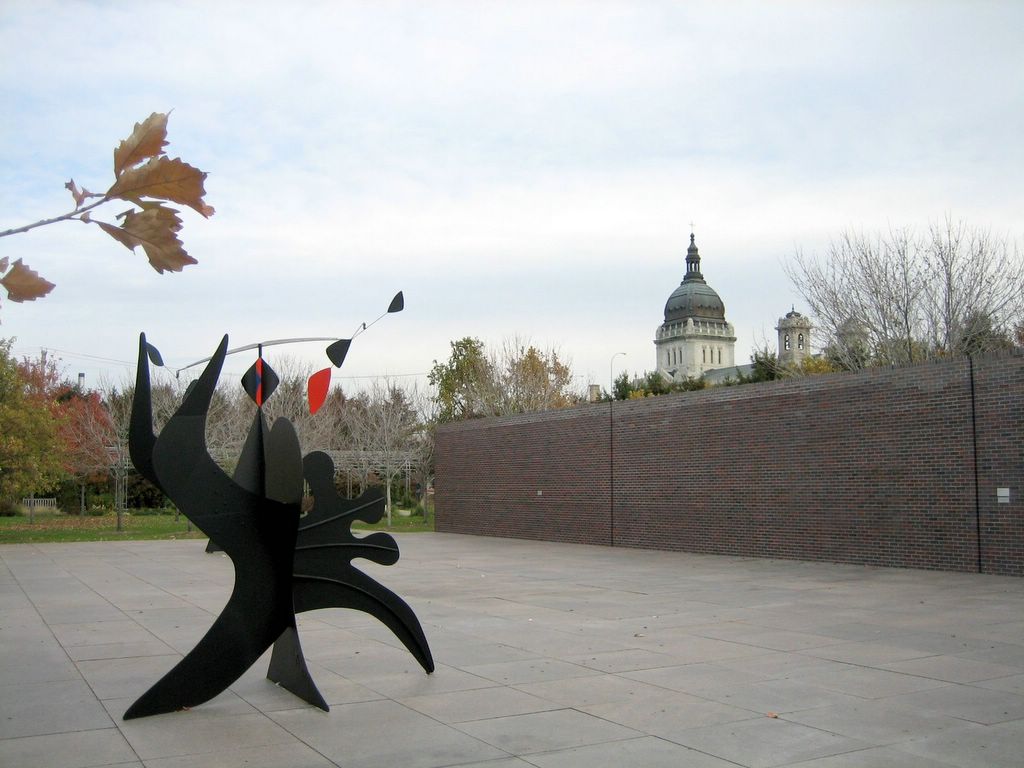


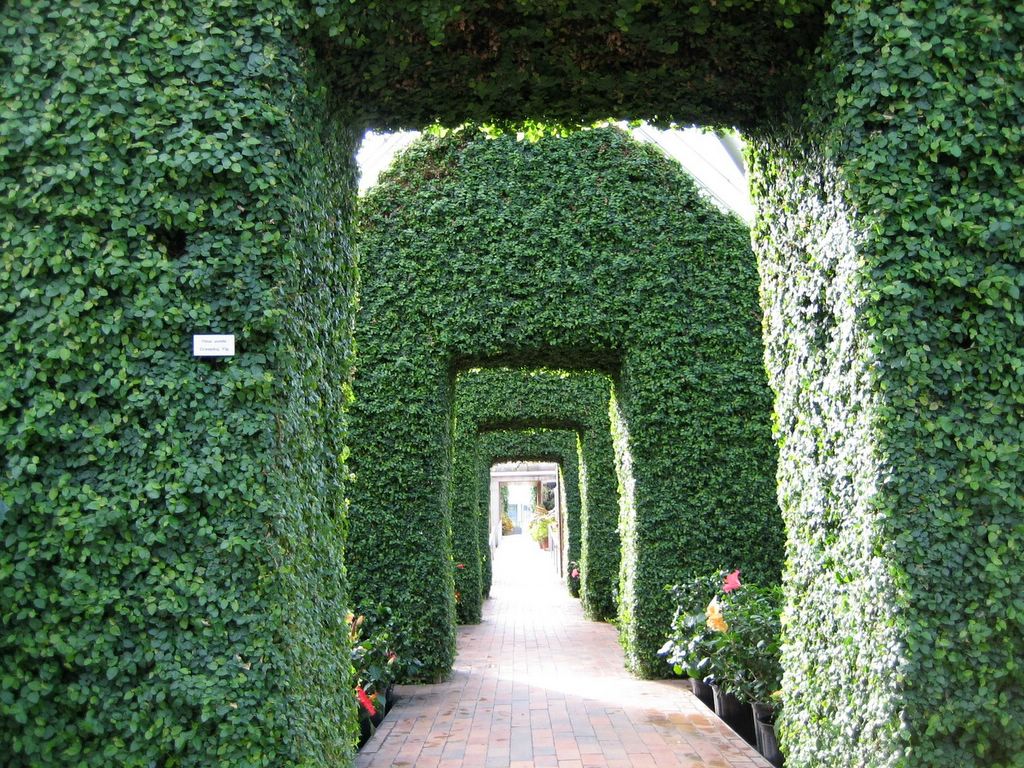
Cowles Conservatory in Minneapolis Sculpture Garden
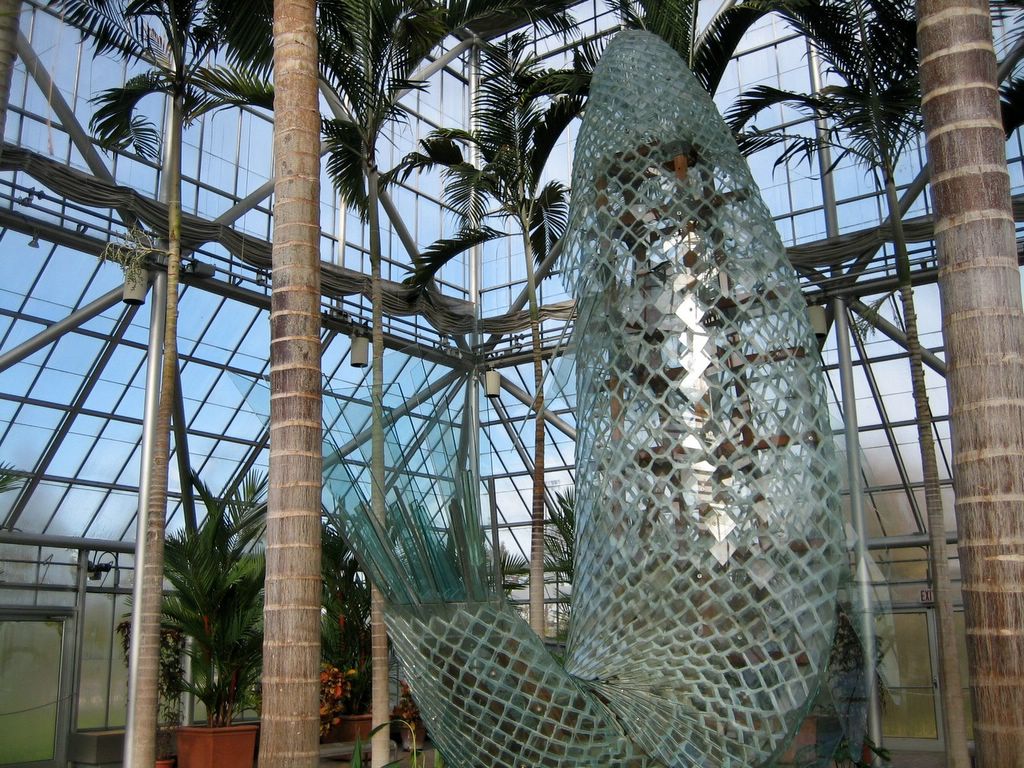
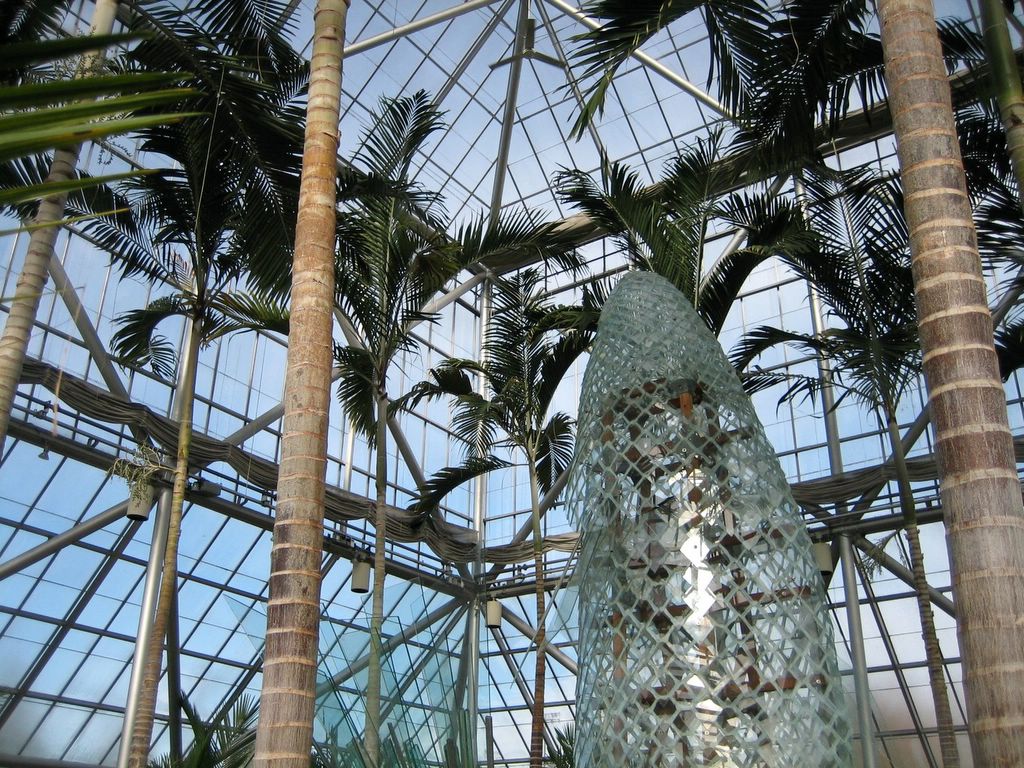
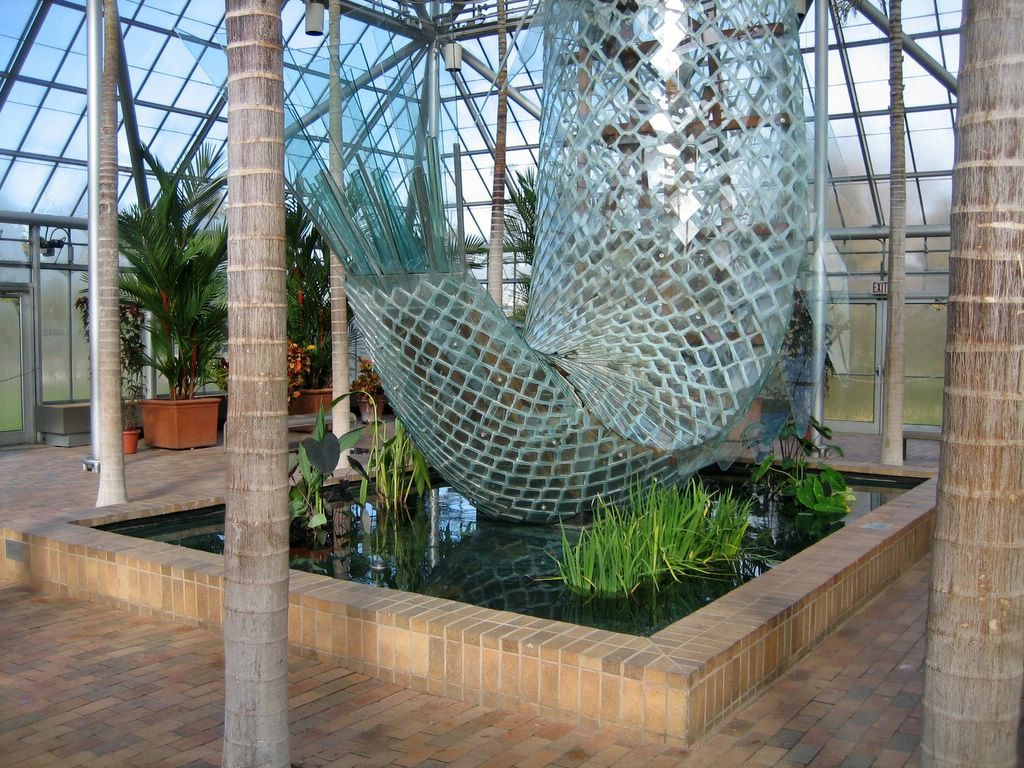
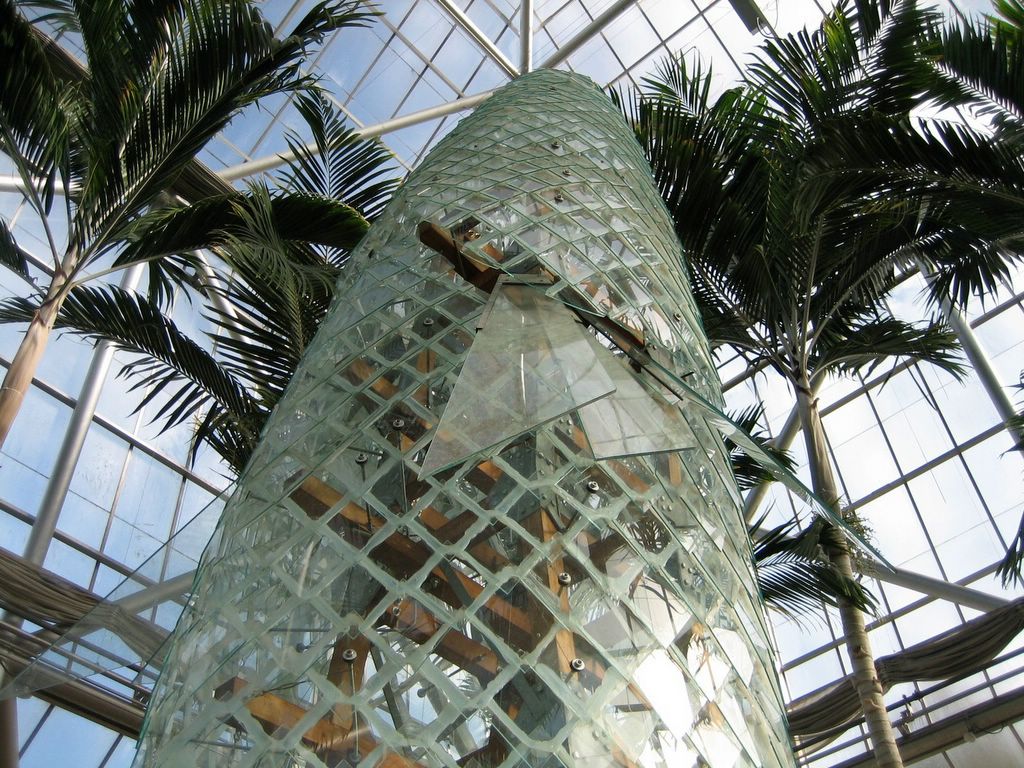
Frank Gehry's Standing Glass Fish
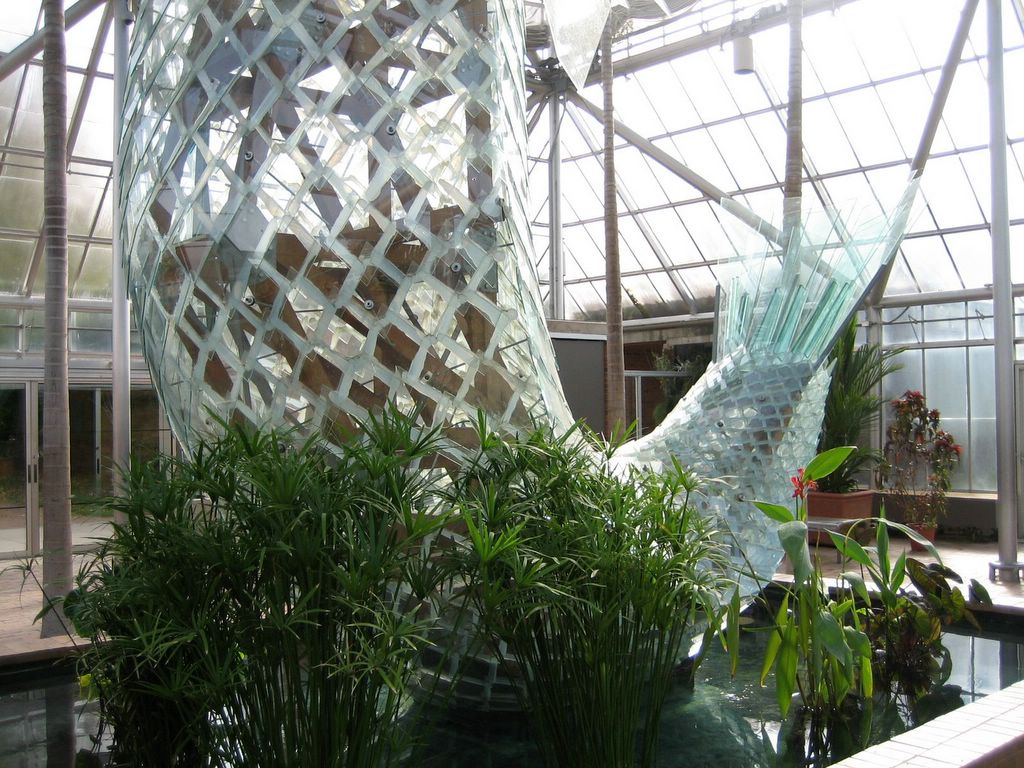

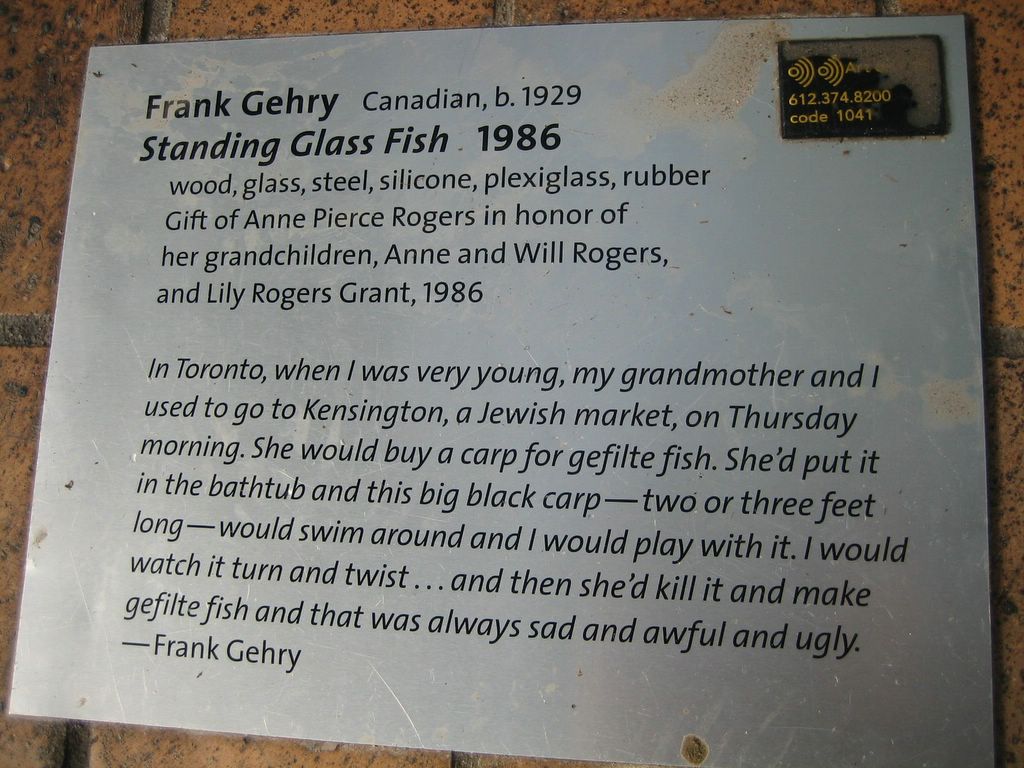
Standing Glass Fish
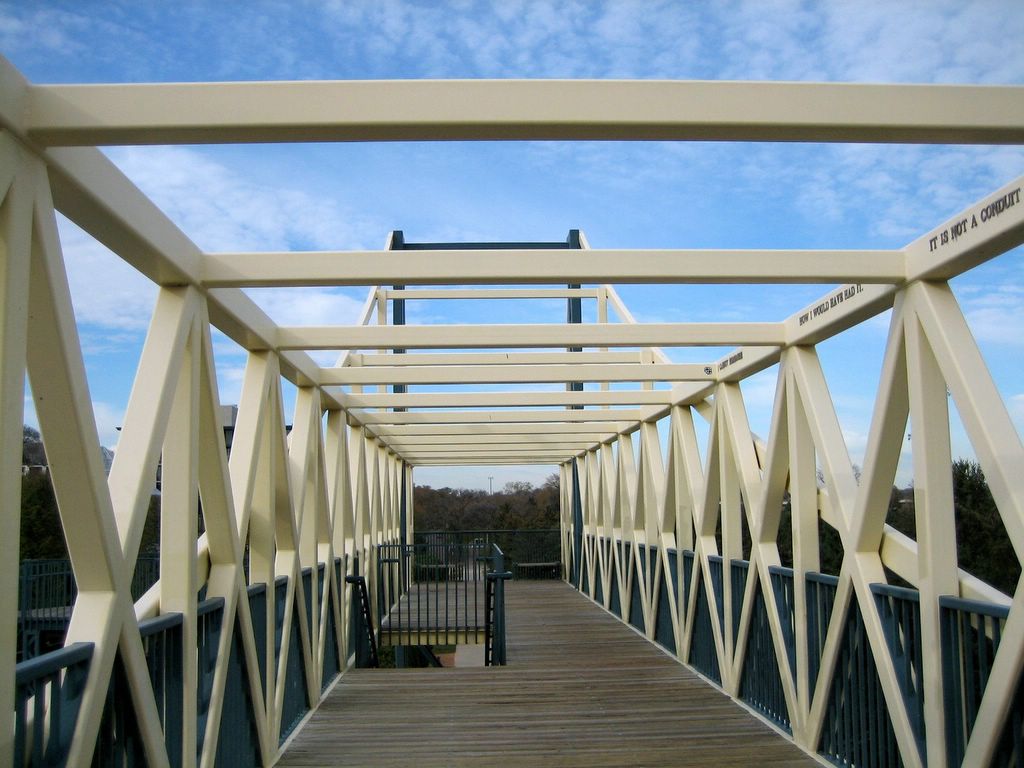

Irene Hixon Whitney Bridge crosses I-94 connecting the sculpture garden to Loring Park
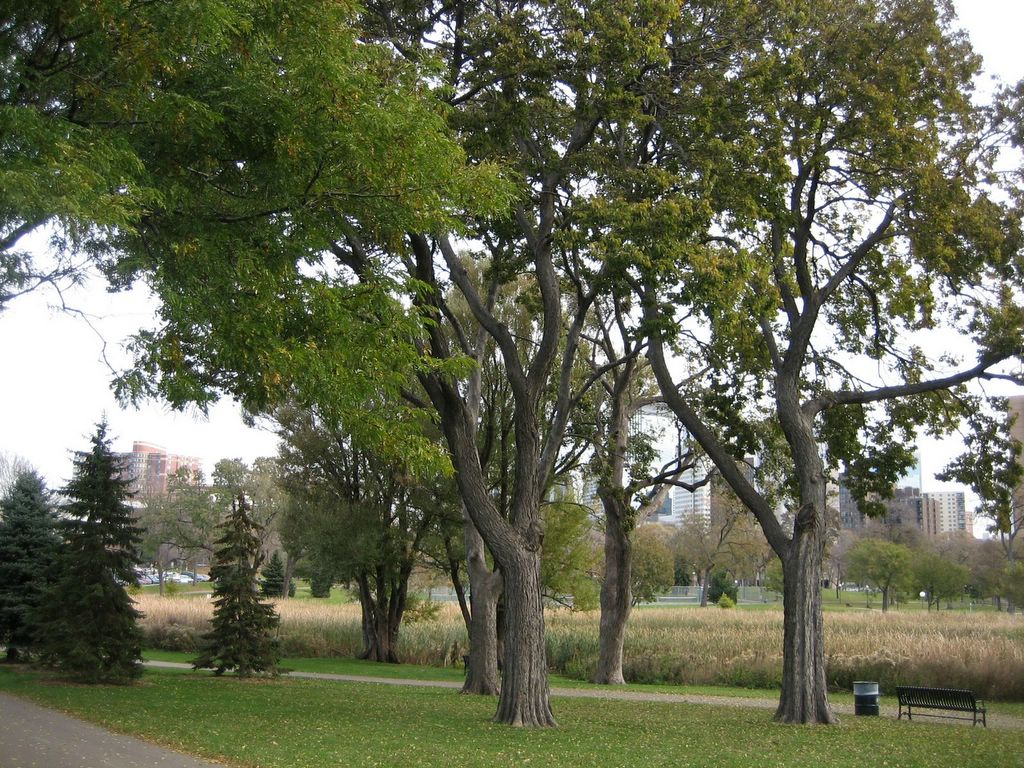


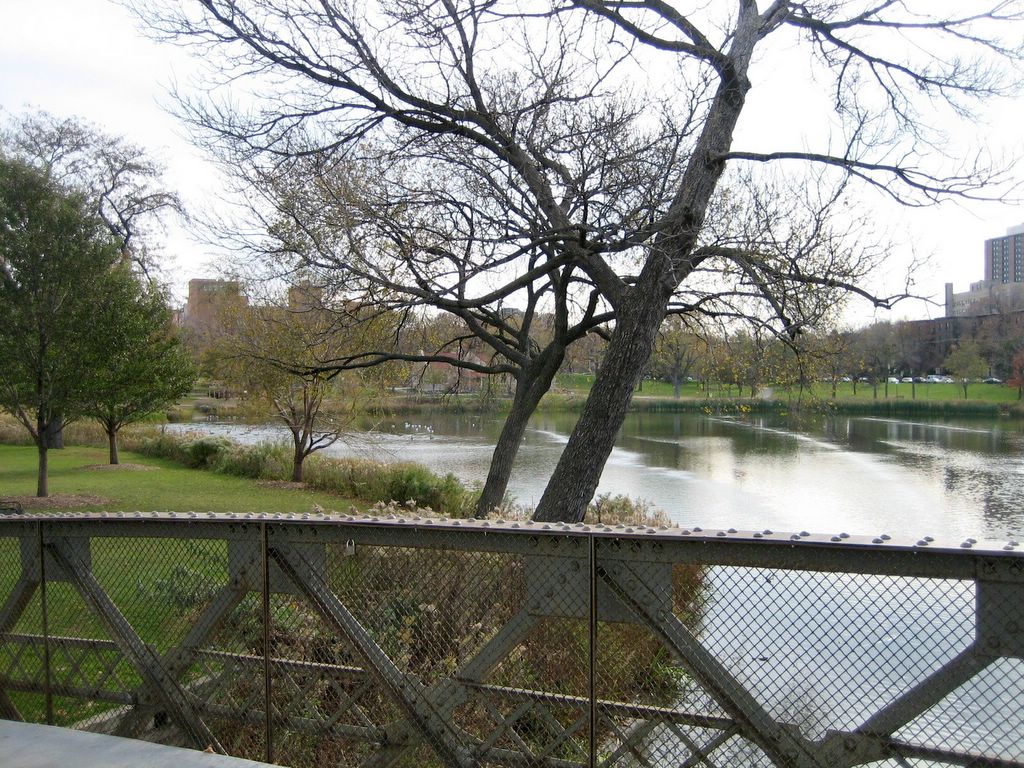
Loring Park

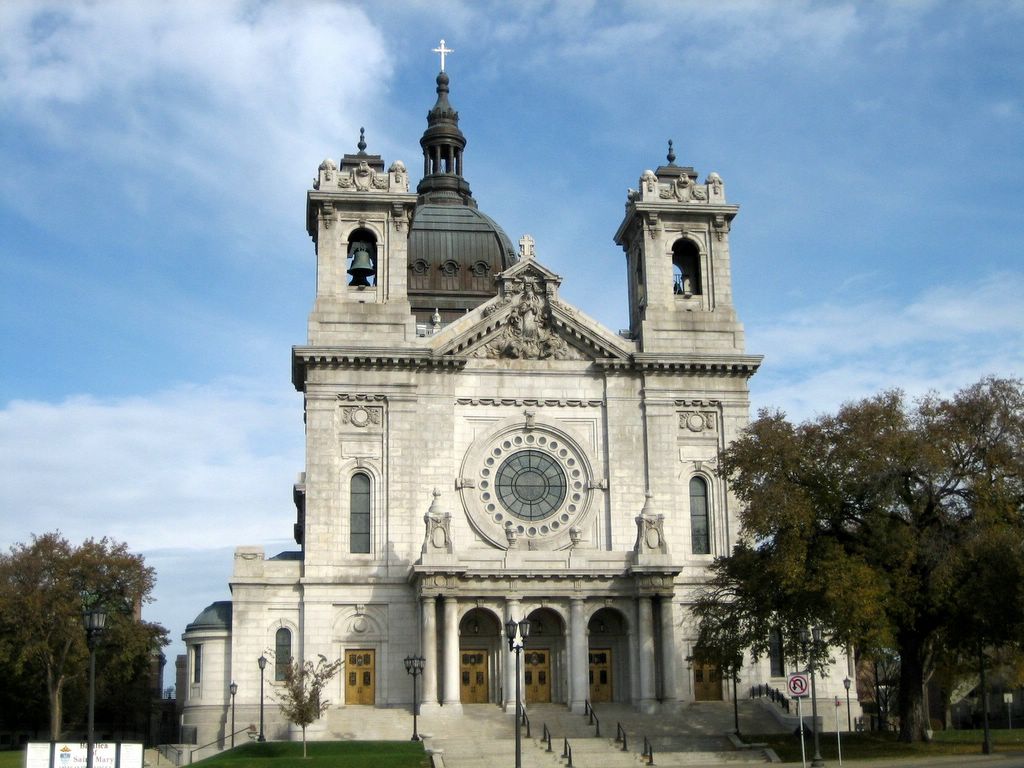
Basilica of Saint Mary
More photos:
Index of artists in the Minneapolis Sculpture Garden. Mary Ann Sullivan, Bluffton University.
Hemispheres Inflight Magazine, One City, Five Hours: Minneapolis http://goo.gl/QmJX
Subscribe to:
Posts (Atom)
