Feta is a fresh, snow white cheese which is pickled in brine.
Ingredients
- 1/2 to 1 gallon of milk
- 1 Tbsp of fresh yogurt, e.g. Danon Plain
- ½ tablet rennet, dissolve in 1/4 cup water, e.g. Junket Rennet tablets. Alternatively, liquid rennet can be used, 4 drops per gallon.
- a large pot with lid (stainless steel with heavy bottom is best, or enamel)
- cheese cloth or 2 clean sterile handkerchiefs
- strainer
- cheese mold
- salt
Step-by-step preparation
1. Warm milk to 30°C (86°F). Stir regularly so that it does not burn on the bottom. Remove from heat.
2. Mix 1 Tbsp. of yogurt with equal part milk to blend, then stir the blended yogurt and milk into the warmed milk to thoroughly mix. Cover and let inoculated milk sit for one hour at room temperature. Add dissolved rennet to the inoculated milk, stir to mix thoroughly.
3. Let the inoculated and "renneted" milk sit covered overnight at room temperature.
4. The next morning, the milk should have gelled. Some of the whey will have separated. Check for a clean break. Cut curd. Let the cut curds sit, with occasional stirring, for 10-15 minutes until curd is contracted.
5. Pour off some of the whey. Pour the curds into the cheese cloth or the handkerchief. Save the whey to make brine to age the cheese. Let it drain until no more whey drains out (about 2-4 hours).
6. Place drained curds into a bowl, mix in a ½ tsp salt, breaking up the curd.
7. Press into mold - line can with a cheese cloth or handkerchief, place curds inside, fold over ends of cloth, place end on top, and place weight on top of that. Let sit overnight.
8. Prepare the brine (12.5% salt) - 20 oz of whey plus 5 Tbsp. of salt. Stir to dissolve.
9. Cut the cheese into 1.5 inch cubes, place into wide-mouth jar. Pour brine over to cover the cheese. Let pickle for several days in the refrigerator.
Related reading and videos:
Feta Cheese Recipe - David B. Fankhauser, PhD http://buff.ly/UXtlpf
How to Make Feta Cheese http://buff.ly/YaWP9q
Bulgarian goat cheese sirene. - YouTube http://buff.ly/YaWLX1
Showing posts with label Bulgarian cuisine. Show all posts
Showing posts with label Bulgarian cuisine. Show all posts

How to make Bulgarian white cheese (Feta, Sirene)
Feta is a fresh, snow white cheese which is pickled in brine.
Ingredients
- 1/2 to 1 gallon of milk
- 1 Tbsp of fresh yogurt, e.g. Danon Plain
- 1/2 tablet rennet, dissolve in 1/4 cup water, e.g. Junket Rennet tablets. Alternatively, liquid rennet can be used, 4 drops per gallon. Some cheesemakers claim that Junket Rennet is not suitable for making cheese.
- a large pot with lid (stainless steel with heavy bottom is best, or enamel)
- cheese cloth or 2 clean sterile handkerchiefs
- strainer
- cheese mold
- salt
Step-by-step preparation
1. Warm milk to 30°C (86°F). Stir regularly so that it does not burn on the bottom. Remove from heat.
2. Mix 1 Tbsp. of yogurt with equal part milk to blend, then stir the blended yogurt and milk into the warmed milk to thoroughly mix. Cover and let inoculated milk sit for one hour at room temperature. Add dissolved rennet to the inoculated milk, stir to mix thoroughly.
3. Let the inoculated and "renneted" milk sit covered overnight at room temperature.
4. The next morning, the milk should have gelled. Some of the whey will have separated. Check for a clean break. Cut curd. Let the cut curds sit, with occasional stirring, for 10-15 minutes until curd is contracted.
5. Pour off some of the whey. Pour the curds into the cheese cloth or the handkerchief. Save the whey to make brine to age the cheese. Let it drain until no more whey drains out (about 2-4 hours).
6. Place drained curds into a bowl, mix in a 1/2 tsp salt, breaking up the curd.
7. Press into mold - line the can with a cheese cloth or handkerchief, place curds inside, fold over ends of cloth, place end on top, and place weight on top of that. Let sit overnight.
8. Prepare the brine (12.5% salt) - 20 oz (590 ml) of whey plus 5 Tbsp. of salt. Stir to dissolve.
9. Cut the cheese into 1.5 inch cubes, place into wide-mouth jar. Pour brine over to cover the cheese. Let pickle for several days in the refrigerator.
Related reading and videos:
Feta Cheese Recipe - David B. Fankhauser, PhD http://buff.ly/UXtlpf
Cheese recipes with Junket rennet tablets, by David Fankhauser, PhD http://bit.ly/YYzIiR
How to Make Feta Cheese http://buff.ly/YaWP9q
Bulgarian goat cheese sirene. - YouTube http://buff.ly/YaWLX1
Making Feta Cheese - YouTube http://buff.ly/YcSnqA
Traditional Greek Feta cheese - YouTube http://buff.ly/UYCCNF
Makin’ feta? You betcha! | from the Bartolini kitchens http://buff.ly/1gi3bOn
Low Salt Feta - Little Green Cheese: http://bit.ly/1oSQasT
Ingredients
- 1/2 to 1 gallon of milk
- 1 Tbsp of fresh yogurt, e.g. Danon Plain
- 1/2 tablet rennet, dissolve in 1/4 cup water, e.g. Junket Rennet tablets. Alternatively, liquid rennet can be used, 4 drops per gallon. Some cheesemakers claim that Junket Rennet is not suitable for making cheese.
- a large pot with lid (stainless steel with heavy bottom is best, or enamel)
- cheese cloth or 2 clean sterile handkerchiefs
- strainer
- cheese mold
- salt
Step-by-step preparation
1. Warm milk to 30°C (86°F). Stir regularly so that it does not burn on the bottom. Remove from heat.
2. Mix 1 Tbsp. of yogurt with equal part milk to blend, then stir the blended yogurt and milk into the warmed milk to thoroughly mix. Cover and let inoculated milk sit for one hour at room temperature. Add dissolved rennet to the inoculated milk, stir to mix thoroughly.
3. Let the inoculated and "renneted" milk sit covered overnight at room temperature.
4. The next morning, the milk should have gelled. Some of the whey will have separated. Check for a clean break. Cut curd. Let the cut curds sit, with occasional stirring, for 10-15 minutes until curd is contracted.
5. Pour off some of the whey. Pour the curds into the cheese cloth or the handkerchief. Save the whey to make brine to age the cheese. Let it drain until no more whey drains out (about 2-4 hours).
6. Place drained curds into a bowl, mix in a 1/2 tsp salt, breaking up the curd.
7. Press into mold - line the can with a cheese cloth or handkerchief, place curds inside, fold over ends of cloth, place end on top, and place weight on top of that. Let sit overnight.
8. Prepare the brine (12.5% salt) - 20 oz (590 ml) of whey plus 5 Tbsp. of salt. Stir to dissolve.
9. Cut the cheese into 1.5 inch cubes, place into wide-mouth jar. Pour brine over to cover the cheese. Let pickle for several days in the refrigerator.
Related reading and videos:
Feta Cheese Recipe - David B. Fankhauser, PhD http://buff.ly/UXtlpf
Cheese recipes with Junket rennet tablets, by David Fankhauser, PhD http://bit.ly/YYzIiR
How to Make Feta Cheese http://buff.ly/YaWP9q
Bulgarian goat cheese sirene. - YouTube http://buff.ly/YaWLX1
Making Feta Cheese - YouTube http://buff.ly/YcSnqA
Traditional Greek Feta cheese - YouTube http://buff.ly/UYCCNF
Makin’ feta? You betcha! | from the Bartolini kitchens http://buff.ly/1gi3bOn
Low Salt Feta - Little Green Cheese: http://bit.ly/1oSQasT
How to make banitsa (Bulgarian pastry)
This recipe will serve 4 people and can be prepared in less than an hour.
Ingredients for the classic recipe
- 1 packet of phyllo dough, a low fat pastry, (Bulgarian "fini kori" or phyllo from the frozen desserts section)
- 400 grams of white cheese (Bulgarian sirene or Feta cheese), approximately 1 lb
- 3 eggs
- 100 grams of butter (3 tablespoons)
- 1 cup yogurt
Procedure
1. Mix the eggs, the grated butter, the crumbled white cheese, in small pieces, add the yogurt and mix again.
2. In a buttered pan, lay a layer of the phyllo dough, spread a layer of the mixture, and continue alternating layers so that the phyllo and the mixture are finished about the same time.
3. Finish with a layer of phyllo dough.
4. Mix the last egg with water and stir. Pour the mixture over the banitsa and make sure there are no pieces of the phyllo dough left dry.
5. Bake in a preheated oven at 200 °C (390 °F) for 40 minutes, or until golden.
Alternative: Instead of piling the phyllo leaves on top of each other, just spread the mixture on the phyllo, top with a little soda and roll two of the leaves up around the mixture. The rolled phyllo is then aligned in a spiral in the pan. Sprinkle with some oil before baking.
----
Here is a healthier version of the recipe, modified by me:
Ingredients
- 1 packet of phyllo dough, a low fat pastry, (Bulgarian "fini kori" or phyllo from the frozen desserts section). Trader Joe's sells phyllo.
- 200 grams of white cheese (Bulgarian sirene or Feta cheese), approximately 0.5 lb. Soak the cheese in water for 5-10 minutes to make it less salty.
- 6 egg whites (you can add one yolk if you wish)
- 3 tablespoons of olive oil
- 1 cup yogurt
Procedure
1. Mix the eggs, the olive oil, the crumbled white cheese, in small pieces, add the yogurt and mix again.
2. Spread the mixture on the phyllo (2-4 layers), roll the leaves up around the mixture. The rolled phyllo is then aligned in a spiral in the pan.
3. Bake in a preheated oven at 200 °C (400 °F) for 10 minutes until it the dough rises, then bake at 350 F for 30 minutes, or until golden.
References:
Cookbook:Banitsa - Wikibooks, open books for an open world http://bit.ly/T3Vi1R
Banitsa (Banitza, Banica) http://bit.ly/T3VgHq
Ingredients for the classic recipe
- 1 packet of phyllo dough, a low fat pastry, (Bulgarian "fini kori" or phyllo from the frozen desserts section)
- 400 grams of white cheese (Bulgarian sirene or Feta cheese), approximately 1 lb
- 3 eggs
- 100 grams of butter (3 tablespoons)
- 1 cup yogurt
Procedure
1. Mix the eggs, the grated butter, the crumbled white cheese, in small pieces, add the yogurt and mix again.
2. In a buttered pan, lay a layer of the phyllo dough, spread a layer of the mixture, and continue alternating layers so that the phyllo and the mixture are finished about the same time.
3. Finish with a layer of phyllo dough.
4. Mix the last egg with water and stir. Pour the mixture over the banitsa and make sure there are no pieces of the phyllo dough left dry.
5. Bake in a preheated oven at 200 °C (390 °F) for 40 minutes, or until golden.
Alternative: Instead of piling the phyllo leaves on top of each other, just spread the mixture on the phyllo, top with a little soda and roll two of the leaves up around the mixture. The rolled phyllo is then aligned in a spiral in the pan. Sprinkle with some oil before baking.
----
Here is a healthier version of the recipe, modified by me:
Ingredients
- 1 packet of phyllo dough, a low fat pastry, (Bulgarian "fini kori" or phyllo from the frozen desserts section). Trader Joe's sells phyllo.
- 200 grams of white cheese (Bulgarian sirene or Feta cheese), approximately 0.5 lb. Soak the cheese in water for 5-10 minutes to make it less salty.
- 6 egg whites (you can add one yolk if you wish)
- 3 tablespoons of olive oil
- 1 cup yogurt
Procedure
1. Mix the eggs, the olive oil, the crumbled white cheese, in small pieces, add the yogurt and mix again.
2. Spread the mixture on the phyllo (2-4 layers), roll the leaves up around the mixture. The rolled phyllo is then aligned in a spiral in the pan.
3. Bake in a preheated oven at 200 °C (400 °F) for 10 minutes until it the dough rises, then bake at 350 F for 30 minutes, or until golden.
References:
Cookbook:Banitsa - Wikibooks, open books for an open world http://bit.ly/T3Vi1R
Banitsa (Banitza, Banica) http://bit.ly/T3VgHq
How to make yogurt with an automatic yogurt maker
1. Buy yogurt with live culture.
2. Boil 1% organic milk. Wait approximately 1 hour to cool off. You can test with your little finger. If your tolerate the heat, it it is just the right temperature.
2. Pour one cup from the boiled milk in a large bowl and add one cup of yogurt. Mix them well.
3. Add the mixture above to the larger bowl where the rest of the milk was boiled. Mix it well.
4. Pour the mixture of milk and yogurt in the 7 jars that come with the yogurt maker (see below). Do not put the lids on the jars.
5. Set the timer to 9 hours. Place the cover. Turn on the yogurt maker.
6. The yogurt will be ready in 9 hours. Take the jars out of the yogurt maker. Place the lids on. Place the jars in a refrigerator for 2 hours. Yogurt will be ready to eat.
I have had excellent results using the automatic yogurt maker YM100, manufactured by Euro Cuisine ($39 at Amazon). Here are the PDF instructions how to use it: http://eurocuisine.net/EYM100.pdf
References:
Euro Cuisine Automatic Yogurt Maker, White.
Making Yogurt - David B. Fankhauser, Ph.D. http://buff.ly/Yb45lD
Related:
Making Yogurt at Home - YouTube http://bit.ly/19m3a2b
2. Boil 1% organic milk. Wait approximately 1 hour to cool off. You can test with your little finger. If your tolerate the heat, it it is just the right temperature.
2. Pour one cup from the boiled milk in a large bowl and add one cup of yogurt. Mix them well.
3. Add the mixture above to the larger bowl where the rest of the milk was boiled. Mix it well.
4. Pour the mixture of milk and yogurt in the 7 jars that come with the yogurt maker (see below). Do not put the lids on the jars.
5. Set the timer to 9 hours. Place the cover. Turn on the yogurt maker.
6. The yogurt will be ready in 9 hours. Take the jars out of the yogurt maker. Place the lids on. Place the jars in a refrigerator for 2 hours. Yogurt will be ready to eat.
I have had excellent results using the automatic yogurt maker YM100, manufactured by Euro Cuisine ($39 at Amazon). Here are the PDF instructions how to use it: http://eurocuisine.net/EYM100.pdf
References:
Euro Cuisine Automatic Yogurt Maker, White.
Making Yogurt - David B. Fankhauser, Ph.D. http://buff.ly/Yb45lD
Related:
Making Yogurt at Home - YouTube http://bit.ly/19m3a2b
Restaurant Mehanata offers traditional Bulgarian cuisine in Chicago
The restaurant Mehanata offers traditional Bulgarian cuisine in Chicago, or to exact in one of the Chicago suburbs, Des Plaines, Illinois. The online reviews are generally positive. I have been there 2-3 times and the reviews are accurate. However, the acoustic is poor and the place can get really loud. Please note, restaurant Mehanata has a completely different atmosphere from the avant-garde bar Mehanata in New York City.
Here are some items from the menu:
http://www.restaurantmehanata.com/Menu.html
Location:
1141 Lee Str, Des Plaines, IL 60016
View Larger Map
Here are some excerpts from an Urbanspoon review:
Salads are part of every Bulgarian meal, from the classic shopska salad (tomatoes, cucumbers, roasted red pepper, green onions, parsley, covered with grated white-brined cheese) to a simple green salad with fresh radishes and cucumber.
Bulgarian cuisine includes a variety of meat preparation: slow roasted, cured and smoked, grilled and baked. A staple "meze" is the hard, spicy, horseshoe-shaped and flattened beef or pork sudjuk (dried, smoked pork sausage).
One of Mehanata's specialties is the "shashlutsi", a pair of swordlike, crisscrossed metal skewers stabbing chunks of smoky pork and chicken.
Kebabcheta are kebabs of ground meat seasoned with cumin and molded into long sausagelike shapes. Karnacheta are thinner version of the same. Kufteta are meatball-shaped ground beef and pork patties with parsley, onion, and beaten egg.
Seafood is popular around the Black Sea, particularly fresh mussels and fish. Mackerel, in 3 forms, grilled, dried and smoked is also popular.
Many believe that white-brined cheese ("feta"-type) and yogurt, which dates to 3,000 BC, originated in the lands of what is now Bulgaria.
Kashkaval is yellow sheep's cheese sometimes referred to as the cheddar of the Balkans.
Banitsa is filo dough layered like a lasagna with white-brined cheese and beaten egg and brushed with melted butter. A sweeter adaptation called tikvenik (from tikva, pumpkin) is made by filling rolls of phyllo dough with roasted pumpkin and walnuts, then covering it with powdered sugar.
Traditional bean stews are prepared with a favorite herb such as mint. Tarator, a perfect summer starter, is a chilled creation of yogurt, cucumber, dill, garlic, and chopped walnuts. Tripe soup, offal slowly simmered for hours in milk and water with red chile peppers and doused with a garnish of vinegar and chopped garlic, will cure any hangover.
Roasted vegetables are taken to another level with luitenitsa, a roasted red-pepper-and-tomato spread that's low in calories and perfect with white-brined cheese on toasted bread. Kiopoolu, similar to baba ghanoush but much darker, is another favorite dip—diced, garlicky roasted eggplant with roasted red pepper, olive oil, and parsley.
A myriad of grape varieties are grown in Bulgaria to make traditional wines like muscat, traminer, and mavrud. Wines made from worldwide varieties such as cabernet, merlot, etc. are also popular.
Rakia is a grape or plum brandy, which can be found in innumerable homemade and commercial versions.
Another restaurant that offers Bulgarian cuisine in the Chicago area is Tasty World, 4834 N Cumberland Ave, Norridge, IL 60706:
http://www.yelp.com/biz/tasty-world-norridge
Related:
Restaurant Mehanata - Des Plaines, IL - Yelp http://goo.gl/7f0fI
Mehanata Restaraunt - Des Plaines | Urbanspoon http://goo.gl/D4se6
4TH Anniversary Mehanata Restaurant - Chicago - YouTube http://bit.ly/TIOYeF
Защо кюфтето стана гражданин - trud.bg http://bit.ly/181EcEu
https://www.facebook.com/Mehanata.Chicago
Mehanata: The Bulgarian table, from sudjuk to shopska | Chicago Reader http://buff.ly/1cKqxEr
https://www.mamaenbulgaria.com/2017/07/gastronomia-bulgara-platos-tipicos-Bulgaria.html
Here are some items from the menu:
http://www.restaurantmehanata.com/Menu.html
Location:
1141 Lee Str, Des Plaines, IL 60016
View Larger Map
Here are some excerpts from an Urbanspoon review:
Traditional Bulgarian Delight! As I understand it, (and totally enjoyed it) most Bulgarian meals begin with a salad without lettuce and with cucumbers, tomatoes, onions and using Bulgarian Feta, which is a creamy subtle version that is delicious! The specialty here is the rich and very hearty stews cooked in earthenware pots. There seems to be a big Turkish or Greek influence, and everything is delicious. Mehanata has a wonderful atmosphere, very homey and comfortable with very good service. You have to understand though that typical Bulgarian service does not include hovering over your table or repeated visits from your waitstaff once the food and drinks have been served. It's very laid back and ultimately relaxing. Wonderful experience.
Salads are part of every Bulgarian meal, from the classic shopska salad (tomatoes, cucumbers, roasted red pepper, green onions, parsley, covered with grated white-brined cheese) to a simple green salad with fresh radishes and cucumber.
Bulgarian cuisine includes a variety of meat preparation: slow roasted, cured and smoked, grilled and baked. A staple "meze" is the hard, spicy, horseshoe-shaped and flattened beef or pork sudjuk (dried, smoked pork sausage).
One of Mehanata's specialties is the "shashlutsi", a pair of swordlike, crisscrossed metal skewers stabbing chunks of smoky pork and chicken.
Kebabcheta are kebabs of ground meat seasoned with cumin and molded into long sausagelike shapes. Karnacheta are thinner version of the same. Kufteta are meatball-shaped ground beef and pork patties with parsley, onion, and beaten egg.
Seafood is popular around the Black Sea, particularly fresh mussels and fish. Mackerel, in 3 forms, grilled, dried and smoked is also popular.
Many believe that white-brined cheese ("feta"-type) and yogurt, which dates to 3,000 BC, originated in the lands of what is now Bulgaria.
Kashkaval is yellow sheep's cheese sometimes referred to as the cheddar of the Balkans.
Banitsa is filo dough layered like a lasagna with white-brined cheese and beaten egg and brushed with melted butter. A sweeter adaptation called tikvenik (from tikva, pumpkin) is made by filling rolls of phyllo dough with roasted pumpkin and walnuts, then covering it with powdered sugar.
Traditional bean stews are prepared with a favorite herb such as mint. Tarator, a perfect summer starter, is a chilled creation of yogurt, cucumber, dill, garlic, and chopped walnuts. Tripe soup, offal slowly simmered for hours in milk and water with red chile peppers and doused with a garnish of vinegar and chopped garlic, will cure any hangover.
Roasted vegetables are taken to another level with luitenitsa, a roasted red-pepper-and-tomato spread that's low in calories and perfect with white-brined cheese on toasted bread. Kiopoolu, similar to baba ghanoush but much darker, is another favorite dip—diced, garlicky roasted eggplant with roasted red pepper, olive oil, and parsley.
A myriad of grape varieties are grown in Bulgaria to make traditional wines like muscat, traminer, and mavrud. Wines made from worldwide varieties such as cabernet, merlot, etc. are also popular.
Rakia is a grape or plum brandy, which can be found in innumerable homemade and commercial versions.
Another restaurant that offers Bulgarian cuisine in the Chicago area is Tasty World, 4834 N Cumberland Ave, Norridge, IL 60706:
http://www.yelp.com/biz/tasty-world-norridge
Related:
Restaurant Mehanata - Des Plaines, IL - Yelp http://goo.gl/7f0fI
Mehanata Restaraunt - Des Plaines | Urbanspoon http://goo.gl/D4se6
4TH Anniversary Mehanata Restaurant - Chicago - YouTube http://bit.ly/TIOYeF
Защо кюфтето стана гражданин - trud.bg http://bit.ly/181EcEu
https://www.facebook.com/Mehanata.Chicago
Mehanata: The Bulgarian table, from sudjuk to shopska | Chicago Reader http://buff.ly/1cKqxEr
https://www.mamaenbulgaria.com/2017/07/gastronomia-bulgara-platos-tipicos-Bulgaria.html
Englishman explores traditional Bulgarian food and drink preparation (videos)
Bulgarian lutenitza. Lutenitza is a Bulgarian preserve made from Tomatoes, peppers and aubergine. This is just one of the traditional recipes from Bulgaria. Bottling or canning for self sufficiency is very popular in Bulgaria, the tradition has never died out like it has in some countries. The opportunity to grow your own food and preserve it is just part of everyday life in Bulgaria:
How to make wine in Bulgaria:
Related:
Tutmanik how to make Bulgarian cheese bread - YouTube http://goo.gl/p4uhT
Bulgarian goat cheese sirene - YouTube http://goo.gl/ooPfZ
How to make Rakia in Bulgaria traditional - YouTube http://goo.gl/QO61x
Christmas eve in Bulgaria - YouTube http://goo.gl/Zm0lx
Easter in Bulgaria - Velik Den. - YouTube http://goo.gl/YA8bM
How to make wine in Bulgaria:
Related:
Tutmanik how to make Bulgarian cheese bread - YouTube http://goo.gl/p4uhT
Bulgarian goat cheese sirene - YouTube http://goo.gl/ooPfZ
How to make Rakia in Bulgaria traditional - YouTube http://goo.gl/QO61x
Christmas eve in Bulgaria - YouTube http://goo.gl/Zm0lx
Easter in Bulgaria - Velik Den. - YouTube http://goo.gl/YA8bM
"Bob Chorba"- traditional bean soup - Bulgarian recipe
Ingredients
200 g to 455 g (1 lb) white beans (Great Northern beans are a suitable variety in the U.S.)
2-3 carrots
1/2 celery
1-2 onion
1-2 tomatoes
1-2 bell peppers
1-2 chilies
Optional — parsley, mint (or oregano, 1 tsp), sunflower oil (or olive oil, 2 tbsp), salt to taste
2 qt. water
Preparation
Soak the beans in cold water overnight. Next morning drain off the water, add the same amount of fresh water and bring to boil. Boil in an earthenware pot (or regular pot) together with the oil, finely chopped carrots, onion and celery.
Simmer gently for 1-2 hours or until the beans soften.
The sliced peppers are added later; the grated tomatoes and mint, when the beans have turned tender. Salt and boil for another 15-20 minutes.
Serve sprinkled with finely chopped parsley.
Here is my modified recipe for "Bob Chorba" (it takes 1 hour from start to finish):
Ingredients
- 200 g to 455 g (1 lb) of Anasazi beans (it depends on the desired amount)
- 1-2 onion
- 1-2 tomatoes
- 1-2 peppers
- red pepper (ground)
- parsley, olive oil (2 tbsp), salt to taste
- 2 qt. water
Preparation
Bring the beans to a boil. Replace the water after the first boil, and bring the beans to boil again. Simmer gently for 1 hour total, or until the beans soften.
Bean soup cooking takes only one hour - here is what I do
I use Anasazi beans because the soup ("bob chorba") with them is ready in just 60 minutes. Here is the breakdown in 3 easy steps. I bring the beans to a boil which takes about 3-5 minutes, and then replace the water after the first boil. I bring the beans to boil again. During that time, I cut the onion, tomatoes, pepper and parsley.
See how to add the ingredients below in 3 steps. Each step takes 20 minutes and you can use a timer set at 20 minutes to simplify the process:
1. Boil at low heat for 20 minutes. After that, add the oil, finely chopped onion, pepper, salt.
2. Simmer for 20 minutes. After that, add the tomatoes and the ground red pepper.
3. Simmer for 20 minutes. After that, add the parsley at very end.
Optional: In a separate plan fry the onions in oil until golden brown, add flour, stir and fry for less then a minute. Add the paprika, stir and add to the beans. Add the tomatoes and oregano as well. Leave the soup to simmer on a low heat for about 20 minutes.
References:
Cuisine of Bulgaria - Wikibooks http://goo.gl/fLpne
Bulgarian Cuisine http://goo.gl/FPYPi
В село Смилян се проведе празник на боба - YouTube http://goo.gl/sK96g
Боб Чoрба - Bean stew - YouTube http://goo.gl/nNhUS
200 g to 455 g (1 lb) white beans (Great Northern beans are a suitable variety in the U.S.)
2-3 carrots
1/2 celery
1-2 onion
1-2 tomatoes
1-2 bell peppers
1-2 chilies
Optional — parsley, mint (or oregano, 1 tsp), sunflower oil (or olive oil, 2 tbsp), salt to taste
2 qt. water
Preparation
Soak the beans in cold water overnight. Next morning drain off the water, add the same amount of fresh water and bring to boil. Boil in an earthenware pot (or regular pot) together with the oil, finely chopped carrots, onion and celery.
Simmer gently for 1-2 hours or until the beans soften.
The sliced peppers are added later; the grated tomatoes and mint, when the beans have turned tender. Salt and boil for another 15-20 minutes.
Serve sprinkled with finely chopped parsley.
Here is my modified recipe for "Bob Chorba" (it takes 1 hour from start to finish):
Ingredients
- 200 g to 455 g (1 lb) of Anasazi beans (it depends on the desired amount)
- 1-2 onion
- 1-2 tomatoes
- 1-2 peppers
- red pepper (ground)
- parsley, olive oil (2 tbsp), salt to taste
- 2 qt. water
Preparation
Bring the beans to a boil. Replace the water after the first boil, and bring the beans to boil again. Simmer gently for 1 hour total, or until the beans soften.
Bean soup cooking takes only one hour - here is what I do
I use Anasazi beans because the soup ("bob chorba") with them is ready in just 60 minutes. Here is the breakdown in 3 easy steps. I bring the beans to a boil which takes about 3-5 minutes, and then replace the water after the first boil. I bring the beans to boil again. During that time, I cut the onion, tomatoes, pepper and parsley.
See how to add the ingredients below in 3 steps. Each step takes 20 minutes and you can use a timer set at 20 minutes to simplify the process:
1. Boil at low heat for 20 minutes. After that, add the oil, finely chopped onion, pepper, salt.
2. Simmer for 20 minutes. After that, add the tomatoes and the ground red pepper.
3. Simmer for 20 minutes. After that, add the parsley at very end.
Optional: In a separate plan fry the onions in oil until golden brown, add flour, stir and fry for less then a minute. Add the paprika, stir and add to the beans. Add the tomatoes and oregano as well. Leave the soup to simmer on a low heat for about 20 minutes.
References:
Cuisine of Bulgaria - Wikibooks http://goo.gl/fLpne
Bulgarian Cuisine http://goo.gl/FPYPi
В село Смилян се проведе празник на боба - YouTube http://goo.gl/sK96g
Боб Чoрба - Bean stew - YouTube http://goo.gl/nNhUS
Banitsa
From Wikipedia:
Banitsa (Bulgarian: Баница, also transliterated as banica and banitza) is a traditional Bulgarian pastry prepared by layering a mixture of whisked eggs and pieces of cheese (sirene) between filo pastry and then baking it in an oven.
Traditionally, lucky charms are put into the pastry on certain occasions, particularly on Christmas Eve, the first day of Christmas, or New Year's Eve. These charms may be coins or small symbolic objects (e.g., a small piece of a dogwood branch with a bud, symbolizing health or longevity). More recently, people have started writing happy wishes on small pieces of paper and wrapping them in tin foil. Wishes may include happiness, health, or success throughout the new year.
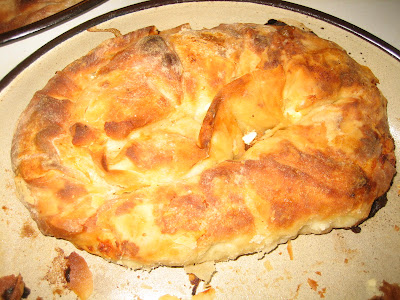
Banitsa is served for breakfast with plain yogurt, ayran, or boza. It can be eaten hot or cold. Some varieties include banitsa with spinach (spanachena banitsa) or the sweet version, banitsa with milk (mlechna banitsa) or pumpkin (tikvenik).
Traditionally, banitsa is made with homemade or commercially made pastry sheets that are prepared from a baker's hard dough including flour, eggs, and water. At home the sheets can be spread by continuously pulling the sheet of dough with one's fingers until it becomes less than a millimeter thin, or by using a rolling-pin in several stages with vegetable oil sprinkled between the partially spread leaves, or by a very difficult technique comprising waving movements of the entire sheet over the head of the cook, which resembles pizza dough making techniques.
Another sort of banitsa is called tutmanik (тутманик) and is made with leavened sheets. The usual filling is cheese.
The traditional filling is made of crushed white or feta cheese, yoghurt, and eggs. Sometimes baking soda is added to the yogurt, which makes the yogurt rise (as the baking soda reacts with the acid in yogurt). The addition of baking soda results in a fluffier filling.
Vegetable fillings include spinach, nettles, leeks, onions, or sauerkraut. The cabbage variant is called zelnik (зелник) and the leek variant is called luchnik (лучник). There are also meat fillings with minced meat, onions, and mushrooms.
Sweet fillings with apples (similar to apple pie or strudel) or pumpkin with sugar, walnuts and cinnamon exist as well. In some regions, only the walnuts, sugar, and cinnamon are used. The apple variant is called shtrudel (щрудел), and the pumpkin variant is tikvenik (тиквеник).
Preparation
In a large greased baking dish, individual sheets are layered one by one with small amounts of filling and vegetable oil between them. After half of the sheets are placed in the pan, a large portion of the filling is spooned onto the leaves and is then covered with the remaining sheets and filling in the same manner. The pastry is then baked at 200-250 degrees Celsius.
An alternative method of preparation is taking each sheet of dough, laying it out flat and sprinkling some of the filling on it. Then, the sheet is rolled up into a tight roll with the filling on the inside of the roll. The long roll is then taken and rolled up in a circle. This first sheet of dough is then placed in the baking pan. The process is repeated with the remaining sheets of dough and each consecutive roll is placed around the first one in the pan. The resulting shape resembles a spiral (see photo). The banitsa is then sprinkled with vegetable oil and baked.
Symbolism
In Bulgaria, banitsa is a symbol of Bulgarian cuisine and traditions. Traditionally, Bulgarians prepare and serve banitza on two holidays - Christmas and New Year's Eve. On these days, people add kismets (fortunes, lucky charms) into the banitsa. The lucky charms are usually small pieces of dogwood branch, which vary in numbers of buds on them. They symbolize health and longevity. The branches are hidden inside the banitsa, and the banitsa is then baked. When ready, the banitsa is cut in a way that each piece contains a dogwood branch. A wish is associated with each branch and the different number of buds on the branch helps to recognize the corresponding wish. The wishes include happiness, health, success, travel, etc. The banitsa is then spun on the table and everyone takes the piece which is in front of them when the spinning stops. Then they find their fortune inside the piece - the fortunes predict what one is to expect from the new year. The most common fortunes are "wealth", "health", "love", "marriage", "baby", "journey", etc.
Alternatively or in addition to the kismets, some add a coin or simply little pieces of paper with written fortunes on them (just like the ones in the fortune cookies). In this case, they are wrapped in tin foil to preserve them during baking.
The word "banitsa" is used as a simile for something (mainly documents and paperwork) crumpled, or badly maintained. For example, a police officer can make a remark to someone about letting his or her passport "become like a banitsa" (станал е на баница); a teacher might say this about a pupil's notebook.
References:
Banitsa. Wikipedia.
Cuisine of Bulgaria - Wikibooks http://goo.gl/fLpne
Bulgarian Cuisine http://goo.gl/FPYPi
Banitsa (Bulgarian: Баница, also transliterated as banica and banitza) is a traditional Bulgarian pastry prepared by layering a mixture of whisked eggs and pieces of cheese (sirene) between filo pastry and then baking it in an oven.
Traditionally, lucky charms are put into the pastry on certain occasions, particularly on Christmas Eve, the first day of Christmas, or New Year's Eve. These charms may be coins or small symbolic objects (e.g., a small piece of a dogwood branch with a bud, symbolizing health or longevity). More recently, people have started writing happy wishes on small pieces of paper and wrapping them in tin foil. Wishes may include happiness, health, or success throughout the new year.
Banitsa is served for breakfast with plain yogurt, ayran, or boza. It can be eaten hot or cold. Some varieties include banitsa with spinach (spanachena banitsa) or the sweet version, banitsa with milk (mlechna banitsa) or pumpkin (tikvenik).
Traditionally, banitsa is made with homemade or commercially made pastry sheets that are prepared from a baker's hard dough including flour, eggs, and water. At home the sheets can be spread by continuously pulling the sheet of dough with one's fingers until it becomes less than a millimeter thin, or by using a rolling-pin in several stages with vegetable oil sprinkled between the partially spread leaves, or by a very difficult technique comprising waving movements of the entire sheet over the head of the cook, which resembles pizza dough making techniques.
Another sort of banitsa is called tutmanik (тутманик) and is made with leavened sheets. The usual filling is cheese.
The traditional filling is made of crushed white or feta cheese, yoghurt, and eggs. Sometimes baking soda is added to the yogurt, which makes the yogurt rise (as the baking soda reacts with the acid in yogurt). The addition of baking soda results in a fluffier filling.
Vegetable fillings include spinach, nettles, leeks, onions, or sauerkraut. The cabbage variant is called zelnik (зелник) and the leek variant is called luchnik (лучник). There are also meat fillings with minced meat, onions, and mushrooms.
Sweet fillings with apples (similar to apple pie or strudel) or pumpkin with sugar, walnuts and cinnamon exist as well. In some regions, only the walnuts, sugar, and cinnamon are used. The apple variant is called shtrudel (щрудел), and the pumpkin variant is tikvenik (тиквеник).
Preparation
In a large greased baking dish, individual sheets are layered one by one with small amounts of filling and vegetable oil between them. After half of the sheets are placed in the pan, a large portion of the filling is spooned onto the leaves and is then covered with the remaining sheets and filling in the same manner. The pastry is then baked at 200-250 degrees Celsius.
An alternative method of preparation is taking each sheet of dough, laying it out flat and sprinkling some of the filling on it. Then, the sheet is rolled up into a tight roll with the filling on the inside of the roll. The long roll is then taken and rolled up in a circle. This first sheet of dough is then placed in the baking pan. The process is repeated with the remaining sheets of dough and each consecutive roll is placed around the first one in the pan. The resulting shape resembles a spiral (see photo). The banitsa is then sprinkled with vegetable oil and baked.
Symbolism
In Bulgaria, banitsa is a symbol of Bulgarian cuisine and traditions. Traditionally, Bulgarians prepare and serve banitza on two holidays - Christmas and New Year's Eve. On these days, people add kismets (fortunes, lucky charms) into the banitsa. The lucky charms are usually small pieces of dogwood branch, which vary in numbers of buds on them. They symbolize health and longevity. The branches are hidden inside the banitsa, and the banitsa is then baked. When ready, the banitsa is cut in a way that each piece contains a dogwood branch. A wish is associated with each branch and the different number of buds on the branch helps to recognize the corresponding wish. The wishes include happiness, health, success, travel, etc. The banitsa is then spun on the table and everyone takes the piece which is in front of them when the spinning stops. Then they find their fortune inside the piece - the fortunes predict what one is to expect from the new year. The most common fortunes are "wealth", "health", "love", "marriage", "baby", "journey", etc.
Alternatively or in addition to the kismets, some add a coin or simply little pieces of paper with written fortunes on them (just like the ones in the fortune cookies). In this case, they are wrapped in tin foil to preserve them during baking.
The word "banitsa" is used as a simile for something (mainly documents and paperwork) crumpled, or badly maintained. For example, a police officer can make a remark to someone about letting his or her passport "become like a banitsa" (станал е на баница); a teacher might say this about a pupil's notebook.
References:
Banitsa. Wikipedia.
Cuisine of Bulgaria - Wikibooks http://goo.gl/fLpne
Bulgarian Cuisine http://goo.gl/FPYPi
Quick Recipe: Gyuveche
Gyuvetche is a mini version of gyuvech, Bulgarian oven-baked beef and vegetable stew. The recipe varies considerably but it can be made with eggs, onions, peppers, cheese, meat or salami.

Gyuvetche is a mini version of gyuvech.
Gyuvetche is a mini version of gyuvech.
Variations on the dish can also have other meat and vegetable ingredients. Meats can include chicken, pork, lamb or sometimes beef or fish (or the meat can be omitted), while vegetables may include onion, tomatoes, peppers, courgettes, eggplant, peas, potatoes, carrots, etc. The dish is flavoured with paprika and summer savoury and various other herbs, and may be cooked in a pan or in the oven.
Related:
Related:
Gyuvech. Wikipedia.
Bulgarian Cuisine: Mekitsa
Mekitsa (Bulgarian: мекица; plural mekitsi, mekici, mekitzi) is a traditional Bulgarian dish made of kneaded dough made with yoghurt that is deep fried.
They are made with flour, eggs, yoghurt, a leavening agent, water, salt, and oil, and are traditionally served with jam or white cheese (sirene). Mekitsa is conventionally a breakfast dish and is inherently similar to Hungarian lángos.
After the dough rises, it is torn into small balls, spread into circles and fried in fat. In some recipes, yeast, bread soda, milk or yoghurt might be used.
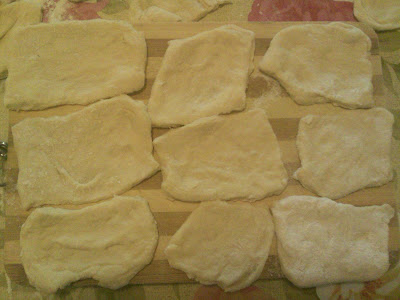
Dough for plain mekitsi.
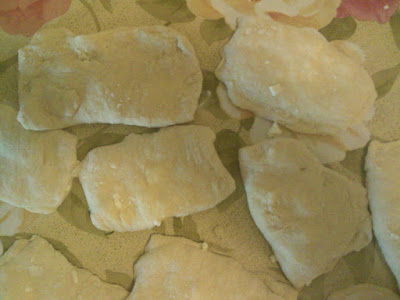
Dough for mekitsi filled with cheese.
A recipe from Silistra involves yoghurt and bread soda, one from a village near Stara Zagora uses yeast and yoghurt, and a recipe from Aytos suggests yeast and milk. It is recommended that the shaping of mekitsi before their frying be done with wet hands.
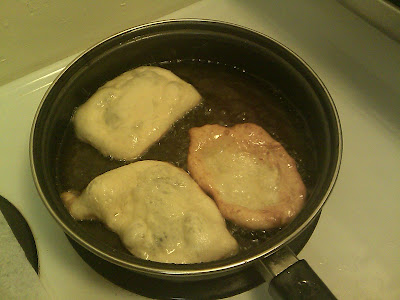
Mekitsi are fried.
When served, mekitsa is often powdered with sugar or garnished with jam or sirene (white cheese). Unlike Hungarian lángos, mekitsa is not served with mayonnaise or ketchup and is not so richly garnished.
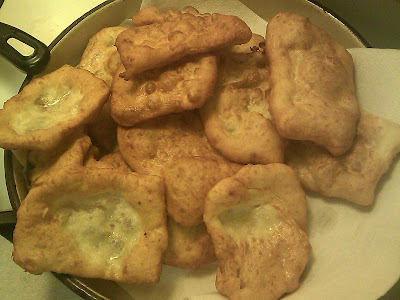
Mekitsi ready to be served.
The name is derived from the Bulgarian root mek ("soft"), referring to the dish's texture. –itsa is a Slavic feminine suffix.
References:
Mekitsa. Wikipedia.
Find Bulgarian Food
Cuisine of Bulgaria - Wikibooks http://goo.gl/fLpne
They are made with flour, eggs, yoghurt, a leavening agent, water, salt, and oil, and are traditionally served with jam or white cheese (sirene). Mekitsa is conventionally a breakfast dish and is inherently similar to Hungarian lángos.
After the dough rises, it is torn into small balls, spread into circles and fried in fat. In some recipes, yeast, bread soda, milk or yoghurt might be used.
Dough for plain mekitsi.
Dough for mekitsi filled with cheese.
A recipe from Silistra involves yoghurt and bread soda, one from a village near Stara Zagora uses yeast and yoghurt, and a recipe from Aytos suggests yeast and milk. It is recommended that the shaping of mekitsi before their frying be done with wet hands.
Mekitsi are fried.
When served, mekitsa is often powdered with sugar or garnished with jam or sirene (white cheese). Unlike Hungarian lángos, mekitsa is not served with mayonnaise or ketchup and is not so richly garnished.
Mekitsi ready to be served.
The name is derived from the Bulgarian root mek ("soft"), referring to the dish's texture. –itsa is a Slavic feminine suffix.
References:
Mekitsa. Wikipedia.
Find Bulgarian Food
Cuisine of Bulgaria - Wikibooks http://goo.gl/fLpne
Subscribe to:
Posts (Atom)
